Adventure
Your First Tandem Hang Gliding or Paragliding Flight in Rio
Planning a tandem flight in Rio? Compare hang gliding and paragliding to understand their distinct sensations, costs, and demands, plus critical safety.
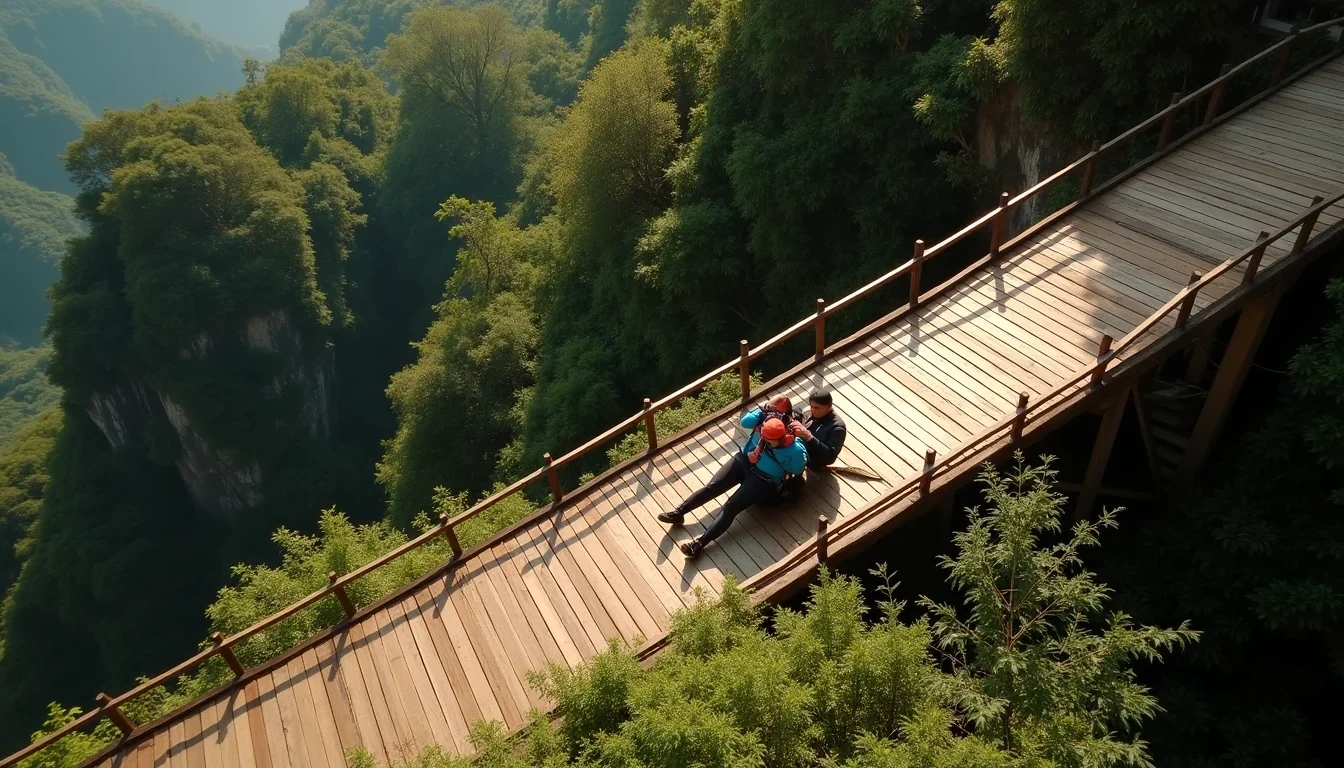
The wooden ramp at Pedra Bonita sits roughly 520 meters above sea level, just inside Parque Nacional da Tijuca. A few running steps separate the railing from the Atlantic Forest canopy, and on a clear morning the glide down to Praia do Pepino lasts between ten and twenty minutes. On 21 February 2026, a tandem hang glider carrying an instructor and a US tourist never reached that sand. The craft ended up in the water off São Conrado, killing both occupants. The Clube São Conrado de Voo Livre suspended all launches from the site for three days while investigators began their work. Operations eventually resumed, but the crash stripped away any remaining illusion that this is a casual amusement. The ramp is an aviation platform, and the ocean below does not forgive complacency.
Pedra Bonita draws two kinds of beginners. Cariocas who spent years watching rigid wings and fabric canopies circle above São Conrado finally decide to stop spectating. Foreign visitors arrive in Rio without knowing whether to book an asa-delta or a parapente, often lured by video clips of people floating past Pedra da Gávea with the Zona Sul coastline unfurled below. Both groups stand on the same launch point, but the two disciplines deliver entirely different sensations, costs, and physical demands. Choosing between them requires more than a coin flip or a quick glance at TripAdvisor stars.
How the Two Flights Differ
An asa-delta uses a rigid, delta-shaped aluminum frame. You lie prone in a harness attached below the wing, face first into the wind. The posture feels faster and more aggressive, and the craft needs stronger, steadier breeze to stay aloft. Instructors describe the experience as closer to actual piloting, with sharper turns and a more immediate response to thermals. The speed can startle first-timers who expected a gentle glide.
A parapente relies on a soft, elliptical fabric wing with no rigid structure beyond the lines. You sit upright in a harness, legs forward, and the ride is slower, gentler, and more forgiving in lighter wind. The sensation is less about velocity and more about hovering, as if the cliff has simply released you into a slow drift above the treetops.
Both experiences share the same launch choreography. You run several coordinated strides down the ramp while the instructor manages the wing overhead. The ground crew watches from below, ready to assist after touchdown. Once airborne, the standard route carries you over dense Atlantic Forest, past the sheer face of Pedra da Gávea, and above the São Conrado coastline before you land on Praia do Pepino. The whole sequence lasts roughly ten to twenty minutes, though shifting thermals can shorten or extend the trip without warning. Hang gliders generally cover more distance in the same timeframe because of their higher speed, while paragliders often milk the lift for a longer, lazier arc. Landing on the beach is usually soft, especially with ground crew guiding the final approach, but you still need to lift your legs and let the instructor absorb the impact. A passenger who tries to run out the landing on their own risks a twisted ankle or a dragged fall.
Who Regulates the Ramp
The Clube São Conrado de Voo Livre does not own the airspace, but it controls the only practical launch point on Pedra Bonita. Every instructor working the ramp must hold current accreditation from the Confederação Brasileira de Voo Livre, the national body that sets training hours, safety protocols, and equipment standards for free flight in Brazil. The club coordinates flight slots, monitors pilot conduct, and reports incidents back to the CBVL. It also handles the ramp fee and maintains the physical infrastructure. If an operator cannot produce a valid CBVL card or hesitates when asked, they have no business strapping anyone into a harness.
The Checks You Must Do Yourself
Do not let a booking platform chatbot reassure you. Before you pay, confirm four things directly with the pilot or school. First, demand to see proof of CBVL accreditation. A photo on a phone is not enough; check the expiration date. Second, ask for the operator’s liability insurance policy and read what it actually covers, because some policies protect the company while leaving passengers exposed. Third, inspect the wing, harness, and helmet with your own eyes. Ask when the equipment was manufactured or last retired, not merely when it was last inspected. Reputable schools replace gear on a strict cycle regardless of how clean it looks.
Fourth, find out who makes the final call on weather. That decision must come from an experienced pilot standing at the Pedra Bonita ramp, where wind speed and direction at altitude can diverge sharply from conditions on the ground in Barra or Jardim Oceânico. If a sales agent in another neighborhood promises you blue skies, keep your money in your account. Weather kills in this sport, and the only eyes that matter are the ones watching the windsock at the edge of the cliff. Finally, insist on a proper pre-flight briefing. The instructor should explain how to run, how to position your body once airborne, and how to flare your legs for landing. If they skip this or mumble through it, walk away.
Prices, Limits, and Weather Windows
As of March 2026, direct local bookings run between R$ 800 and R$ 1,150 per person. The exact figure depends on whether you add a photo and video package shot on a camera the instructor wears or holds. The Clube São Conrado de Voo Livre also charges a separate ramp or association fee that some operators exclude from their headline quote, so ask for the all-in total before you commit. Foreign platforms usually list the experience at roughly US$ 200 to US$ 500, though those prices often bundle extras, hotel pickup, or hide currency conversion margins that inflate the real cost.
Most pilots set a passenger weight ceiling near 100 kg, though the precise limit varies by wing model and instructor discretion. Hang gliding generally requires a minimum age of sixteen, but each operator writes their own rules, so confirm before you reserve. Wear closed shoes and windproof layers, because temperatures drop noticeably at altitude even when the ground below is sticky and humid. Shorts and flip-flops are a mistake you will regret at 520 meters. The safest windows are stable, clear mornings, since Rio’s coastal weather builds unpredictable gusts and cloud cover by afternoon. Morning fog can obscure the ramp even when the beach is sunny, so call ahead rather than assuming conditions are uniform across the neighborhood. If the pilot cancels due to wind or rain, reputable outfits reschedule without charge or refund the full amount. Get that cancellation policy in writing before you transfer a single real. Agents who pressure you to fly despite darkening clouds are agents who view you as revenue, not cargo.
What the February 2026 Crash Changed
On 21 February 2026, a tandem hang glider crashed into the water off São Conrado, killing the instructor and a US tourist. The Clube São Conrado de Voo Livre immediately suspended all flights from Pedra Bonita for three days pending investigation. The tragedy did not involve a rogue operator working outside the club’s system. Both victims were flying under its umbrella, which underscored that even regulated aviation carries mortal risk. The incident should kill any remaining notion that tandem flight is a harmless carnival ride. It also reinforced that passengers must verify credentials themselves rather than trusting a polished website or a confident sales pitch. Investigations continue, and the club has not released final findings, but the pause signaled that the community treats fatalities with gravity rather than cover-ups. For a first-timer, the lesson is stark. The instructor holds your life in their hands for the entire ten to twenty minute descent. Choose those hands carefully, ask the hard questions, and refuse to be rushed onto the ramp.
Every year, operators and the club revise prices, weight thresholds, and safety protocols. The view from Pedra Bonita remains one of the most dramatic introductions to free flight anywhere in Brazil. Earn it by treating the ramp like an airfield, not a selfie studio. Check the paperwork, respect the weather, and know exactly who is holding the control bar before you take a single step forward.