Combat Sports
Jiu-Jitsu Drop-In Rio De Janeiro Your Guide to Training
Plan your Jiu-Jitsu drop-in in Rio de Janeiro. This guide covers essential preparation, gear, and where to find the best academies in Zona Sul, Barra, and.
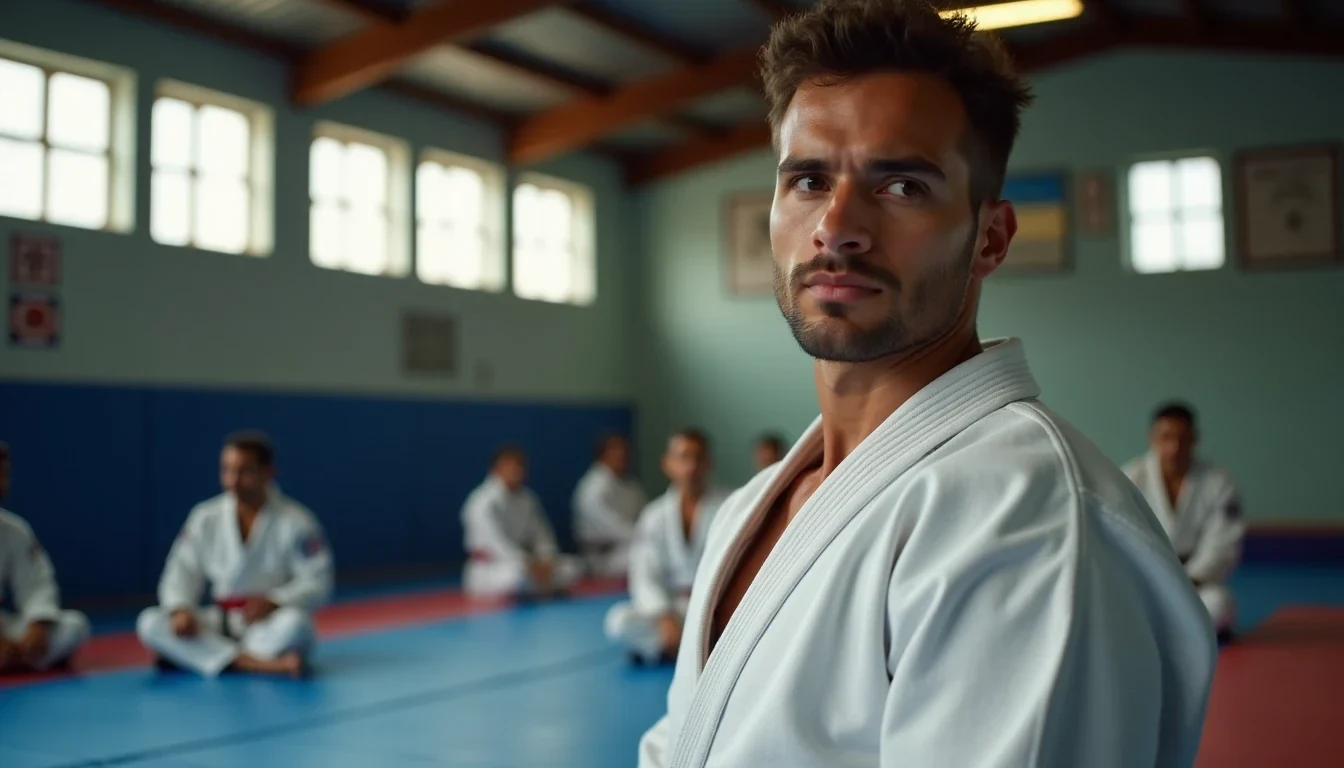
The first Gracie academy opened in Rio de Janeiro in 1925. Carlos Gracie taught the first students in a storefront long before the sport had a federation or a uniform standard. Nearly a century later, practitioners still fly into Galeão or Santos Dumont wanting to roll where the art began. The city accommodates them with dozens of schools spread from the Zona Sul to the western suburbs. A drop-in session, or aula avulsa, is standard practice here, but it requires preparation. Visitors who message ahead, pack the right gear, and understand local hierarchy walk onto crowded mats and train hard. Those who do not often waste a morning on the wrong side of town.
Where the academies sit
Most gyms fall into three zones. The Zona Sul beach strip of Copacabana and Ipanema packs the highest density of schools, many within walking distance of metro stations and hotels. Ricardo de la Riva keeps an academy in Copacabana that appears on nearly every visitor itinerary. Barra da Tijuca, roughly thirty kilometres west, operates as a second hub with larger facilities and easier parking. Fightzone, Alliance and Gracie Barra all run confirmed open sessions there. A smaller handful of academies runs downtown near the centre, though these attract more local office workers than tourists and rarely advertise in English. Zona Sul schools often occupy converted residential floors above bakeries or newsstands, while Barra academies sit in purpose-built spaces with full parking lots and air conditioning.
Booking your spot
Do not rely on walk-ins. The most reliable way to arrange a drop-in is through WhatsApp or Instagram direct message. State your rank, your visit dates, and your interest in an aula avulsa. Ask for the exact class time, confirm whether the class is a gi session or a no-gi session, and request the current mat fee. Responses usually arrive within a day. If you do not speak Portuguese, write in simple English or use a translation app. Gym administrators in Barra and the Zona Sul handle foreign inquiries routinely. Verify the address down to the street number. Several academies share similar names, and Google Maps occasionally pins the old location. If you receive no answer after two business days, send a polite follow-up. Brazilian gym culture runs on relationships, and persistence shows genuine interest rather than annoyance.
Kit and cash
Rio humidity destroys synthetic fabric by noon. Pack a plain white or blue gi that is clean and free of heavy patches. Some affiliates, including the Alliance headquarters in São Paulo, enforce an official team gi for anyone on the mat. Rio academies tied to large teams may apply the same rule, so verify this when you message. For no-gi classes, a rash guard is mandatory. Bare chests are not permitted. Bring flip-flops for the space between the street and the mat, and carry cash in reais. Card readers often fail in basement gyms, and the aula avulsa fee is collected before you change. A small towel helps during the rainy summer months from December to March, when the mat can feel like a steam room. Pack an extra rash guard if you plan to train consecutive days; laundry services in hotels are expensive and slow.
Belt hierarchy and reading the room
Brazilians take rank literally. Wear the belt you earned, with the exact number of stripes awarded, and expect to be judged by it. The IBJJF ranks adults from white through blue and purple, then brown and black, before coral and red appear. Minimum ages start at sixteen for blue and purple, rise to eighteen for brown, and reach nineteen for black. Time-in-grade rules are strict. A practitioner needs at least twenty-four months on blue before purple, a year and a half on purple before brown, and one full year on brown before black. Each coloured belt carries up to four stripes. An instructor may use these details to decide who you drill with. A blue belt with two stripes will not be paired cold against a visiting brown belt unless the professor intends it. Visitors from gyms with casual promotion standards should expect tighter scrutiny in a city where belts are earned in competition. Lie about your rank and the professor will end the session. That kind of social error travels fast.
The rhythm of a Rio class
Arrive early. Classes at several Zona Sul academies start at 7 a.m., and the mat fills fast. BJJEE published a visitor report that called Ricardo de la Riva’s Copacabana school packed, with approximately a third of the students rolling at any given moment while others sat against the wall. Instructors pick partners themselves rather than letting visitors choose. This habit keeps sparring balanced but can surprise foreigners used to open gym culture. The report also noted that visitors sometimes receive priority for rolls, a courtesy that accelerates the learning curve. Expect hard contact. Rolls in Rio are rarely light, conversation during sparring is minimal, and the heat compounds the intensity. Deference toward the professor and upper belts shapes every transition. When the professor calls for a line to thank him, join it. The formality is part of the training. Warm-ups often include calisthenics and shrimping across the full length of the mat, and water breaks are short. Pace yourself.
Getting around the circuit
Copacabana and Barra are not interchangeable. The drive along the coastal road can take ninety minutes in rush hour, and metro coverage ends before Barra. If you book lodging in Ipanema but plan to train at Fightzone or Gracie Barra, budget for a rideshare both ways. The BRT bus line offers a cheaper alternative from the Zona Sul, but it adds transfers and walking. Several visitors train in the Zona Sul for three days and spend one morning in Barra just to compare styles. That split works if you plan the commute, but it fails if you try to squeeze two academies into one evening. Pick one zone per day.
Mat manners that differ from home
The usual rules apply. Trim your nails, brush your teeth, and wash your gi. In Rio, however, the hierarchy is physical as well as symbolic. Lower belts move out of the way when a black belt walks across the mat. Visitors should not correct a local student on technique unless the professor asks them to demonstrate. Photography is generally restricted. Ask before you film a roll. If you receive a stripe or a compliment, nod and keep training. Excessive celebration reads as arrogance in a room where half the students have trained since adolescence. Tap early and tap often. Ego leaves the body slower than sweat, and local practitioners respect visitors who know their limits.