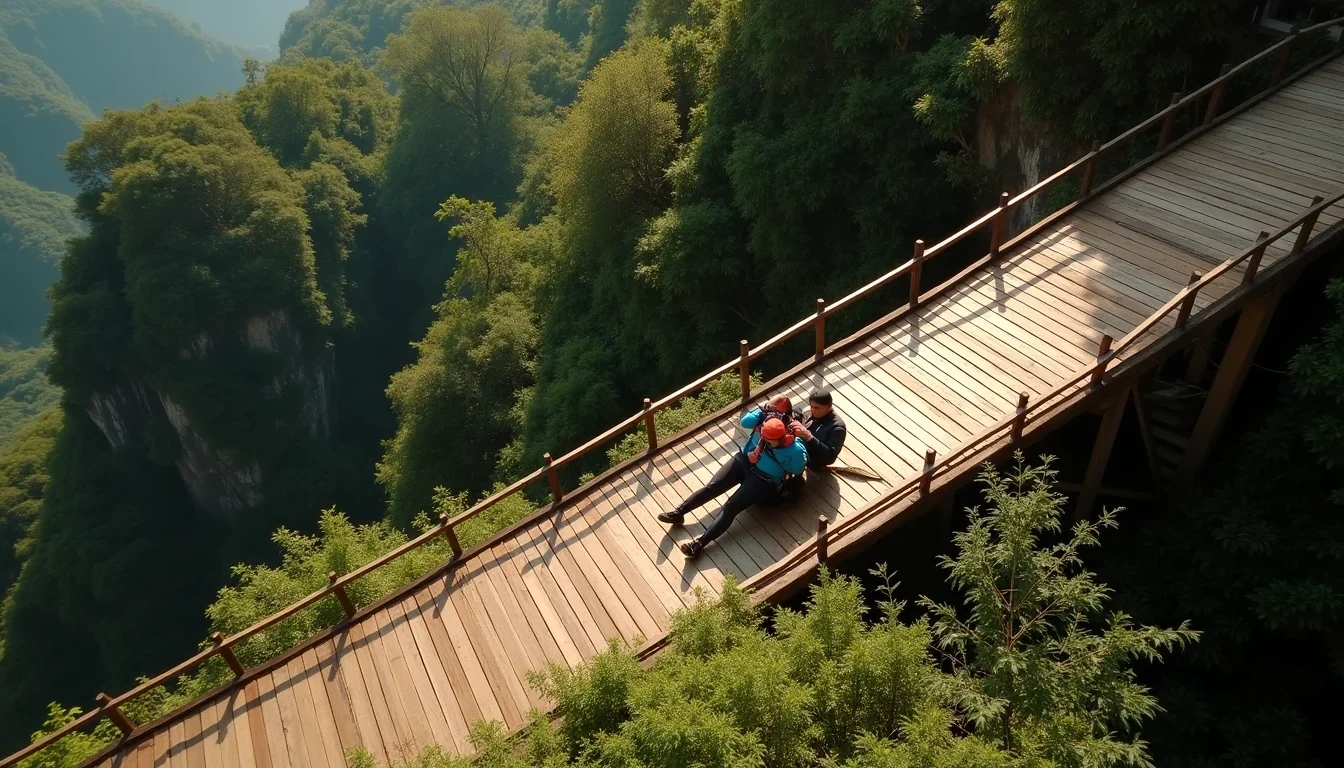
Adventure
Your Guide to Bonito Adventure Booking and Unique System
Bonito, Brazil's unique adventure destination, requires booking all activities through accredited agencies via a municipal voucher system to manage tourism.
You cannot just show up in Bonito and hope for the best. This corner of Mato Grosso do Sul, home to Brazil’s prettiest water, does not operate like a beach town where you pick a boat from a kiosk at noon. Every trail, cave, river float, and rappel line runs on a municipal voucher system with strict daily caps, no gate sales, and accredited agencies holding every key. Treat it like a music festival with assigned entry times, or you will spend your trip eating pastel in the plaza while someone else descends into the Abismo Anhumas.
How the Voucher System Actually Works
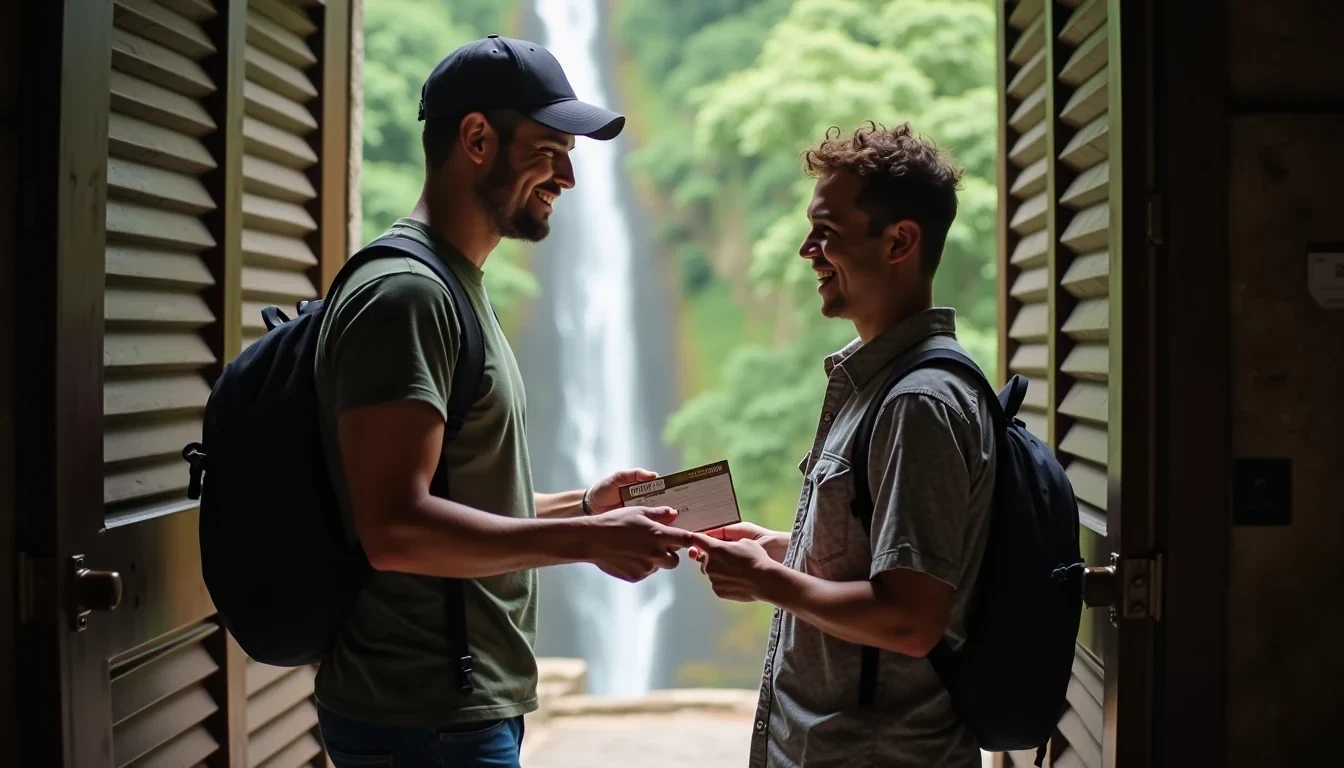
Bonito solved overtourism before most places admitted they had it. Since the early 2000s, the town has run a centralized booking structure. No attraction, public or private, sells its own tickets at the entrance. You reserve through an agência credenciada, receive a municipal voucher, and show up at your assigned slot. Agencies compete on service, package design, and pickup logistics, but they all pull from the same daily inventory. This caps visitor load per site, spreads revenue across local operators, and keeps the rivers clear enough to count fish from the surface.
The practical chain looks like this: choose your dates, book through an accredited agency at least days ahead (months for Anhumas), receive your voucher with entry time, and arrive ready. No voucher means no entry. There are no exceptions for charm or desperation. The system is rigid, occasionally frustrating, and it keeps the water pristine.
The Adventure Ladder, Ranked by Commitment
Bonito’s activities sort into three tiers by physical demand, price, and how far ahead you need to commit.
Tier one: the once-in-a-lifetime single day. Abismo Anhumas sits alone here. You rappel 72 meters into a cathedral-sized cave chamber, then float or scuba dive in an underground lake among submerged stalactites that predate human presence in the Americas. The contemplation-only run costs R$ 997 for adults in the first half of 2026. Add the float and you are at R$ 1,598. Full scuba runs R$ 1,799 to R$ 2,037 depending on certification level and operator. Every Anhumas booking requires a mandatory check-point session the day before for equipment fitting, rappel briefing, and safety drill. Slots vanish months ahead for high season. Treat this as your anchor day and build everything else around it.
Tier two: the signature floats and the full-day park. Rio da Prata and Rio Sucuri deliver the famous flutuação, drifting in current so clear you watch pacu and dourado from above like they are suspended in air. Rio da Prata runs R$ 470 to R$ 570 depending on season; Rio Sucuri, slightly shorter, runs R$ 349 to R$ 438. Both ban sunscreen and repellent entirely. The chemicals destroy the microbial mat that keeps the water transparent. Wear a rash guard, hat, and early-morning discipline instead.
Boca da Onça, the waterfall park, offers the highest rappel in Mato Grosso do Sul plus a network of trails through eleven waterfalls. Adult price in early 2026: R$ 555 to R$ 665. This eats a full day and demands reasonable fitness for the hiking loops between falls.
Tier three: the accessible hits. Gruta do Lago Azul and Buraco das Araras fill gaps, rest days, or tighter budgets. The gruta charges R$ 120 in low season, R$ 180 in high, with Imasul adding a separate R$ 15 environmental fee as of recent adjustments. Entry runs from 7h to 14h in fixed groups of fourteen visitors plus one guide, hard-capped at 305 people daily including staff. Helmets and closed shoes are mandatory; the operator provides helmets, but bring proper footwear. Buraco das Araras, the macaw sinkhole, is your cheapest ticket at R$ 185 and works as a contemplative morning without the physical load.
Season, Visibility, and the Price Reset Calendar
High season means two windows: roughly 20 December to 30 January, and the July school holidays. Prices jump across all tiers, and the best slots compress into fewer available days. Anhumas can sell out six months ahead for late December.
The rainy season, roughly November through March, does not close attractions but it degrades them. Storm runoff clouds the rivers and caves. You still float, but you see less. The microbial clarity that makes Bonito famous needs dry weeks to recover. If your dates flex, aim for May through August for maximum underwater visibility and slightly thinner crowds.
Every operator resets prices annually. The numbers above are valid for first-half 2026. Budget for increases in the second half and into 2027.
Building a 4-6 Day Itinerary by Budget
Tight budget, four days: Day one, arrival and Anhumas check-point. Day two, Anhumas contemplation or float. Day three, Rio Sucuri for the cheaper clear-water fix. Day four, Buraco das Araras morning, departure afternoon. Total activity spend: roughly R$ 1,500 to R$ 2,200 depending on season.
Mid-range, five days: Add Rio da Prata for the longer float, and split Boca da Onça into its own full day. Sequence matters. Do the river floats before the rains if possible, and schedule Anhumas with its check-point buffer at the start or end.
Full send, six days: Anhumas scuba, Rio da Prata, Rio Sucuri, Boca da Onça, Gruta do Lago Azul at the 7h opening for the best light on the blue lake, and Buraco das Araras as your decompress. This runs past R$ 4,500 in activities alone before lodging, meals, and the Campo Grande airport transfer. The scuba upgrade at Anhumas is the decisive cost jump.
Geography helps. Most agencies cluster downtown Bonito and run shared transfers to the outlying sites. Grouping by direction saves transfer fees: Rio da Prata and Rio Sucuri sit in similar watersheds west of town; Boca da Onça and Buraco das Araras share northern access roads.
What to Pack and What to Leave Behind
Closed shoes, not sandals, are required for every cave and trail. The gruta enforces this; other sites strongly suggest it. A long-sleeve rash guard provides sun protection on the rivers, since your sunscreen stays in the bag. Bring cash for the Imasul fee at Gruta do Lago Azul and small-town contingencies. A buffer day in your itinerary accounts for rain, road conditions, or your own legs.
Bonito does not reward spontaneity. It rewards the traveler who reads the rules, books early, and treats the voucher system as part of the landscape rather than an obstacle to outsmart. The water stays clear because access stays controlled. Your job is to get inside that control, on time, with the right shoes, and let the place do what it does.