Combat Sports
Brazil's Olympic Judo Gold Medals and Their Champions
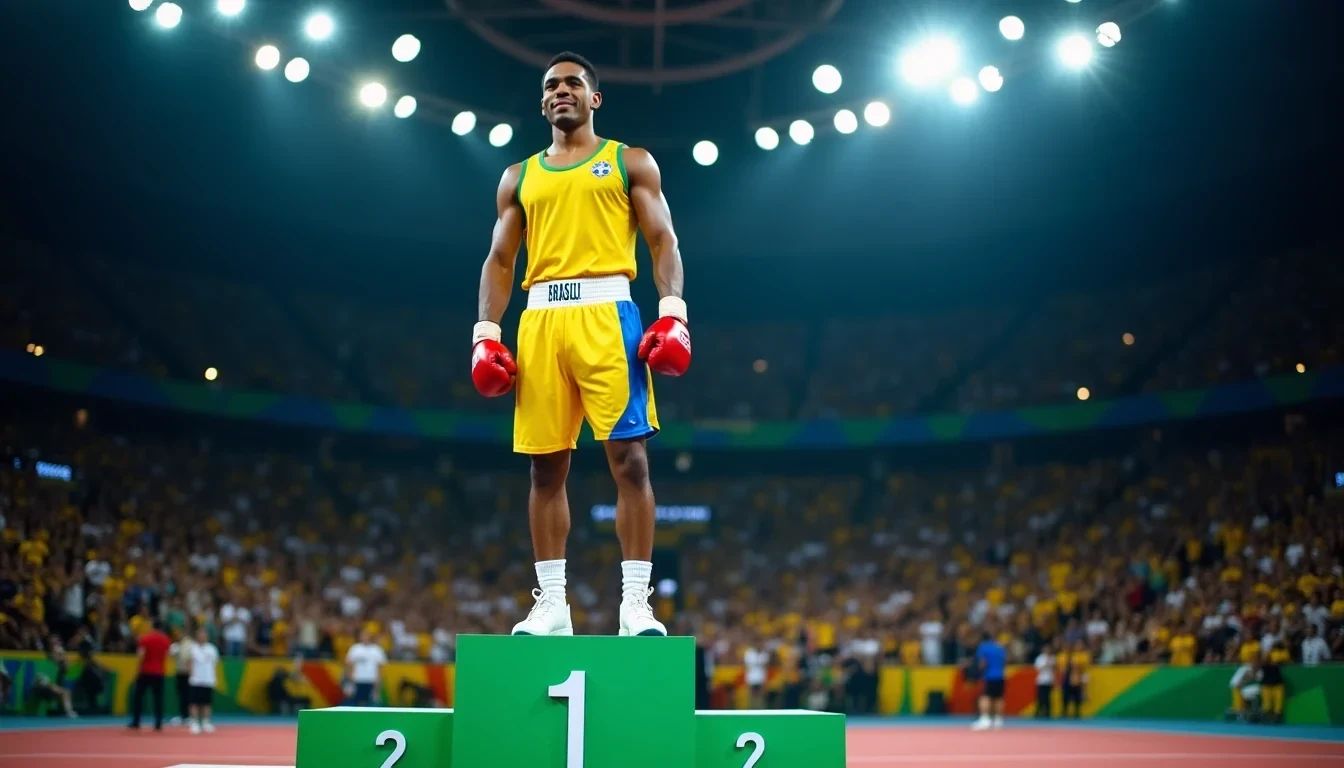
Brazil dominates Olympic combat sports with 26 judo medals, including five golds by distinct champions.
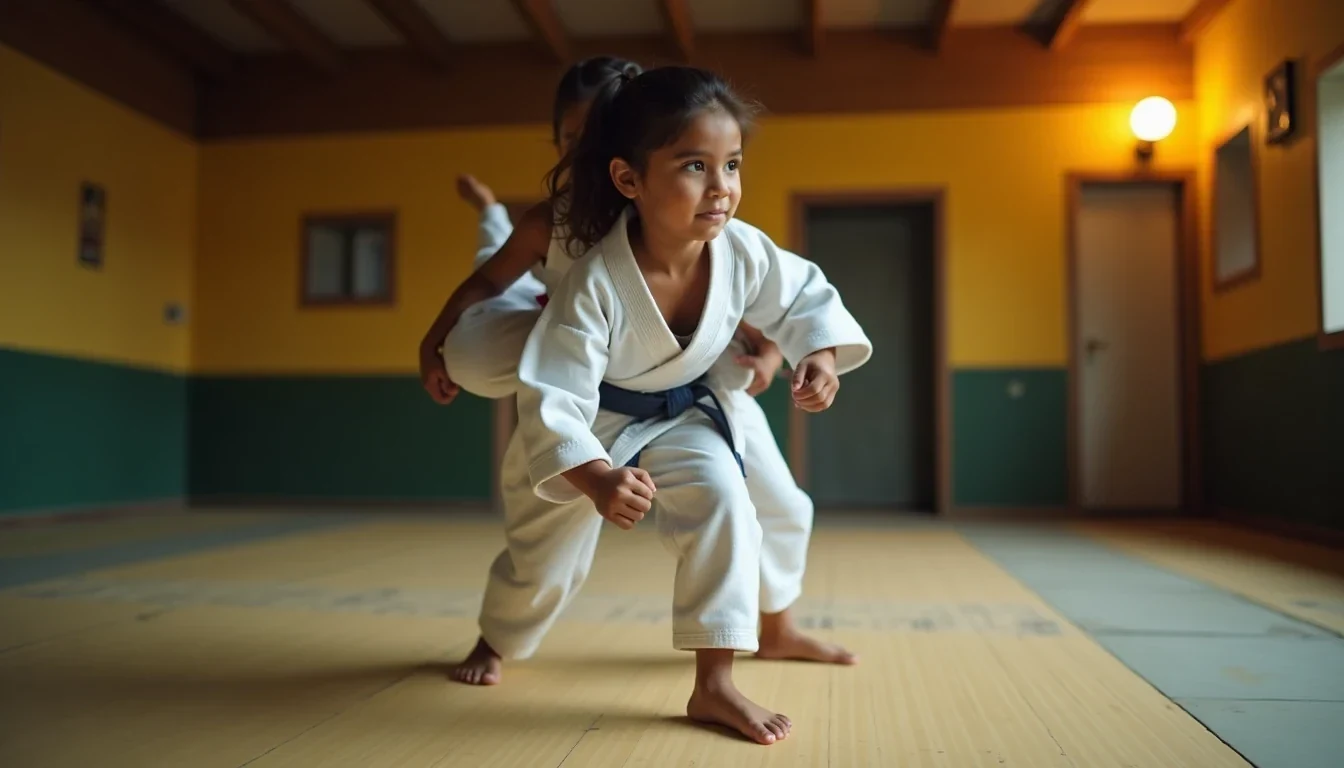
Brazil has won more Olympic medals in judo than in any other combat discipline. Twenty-six pieces of hardware, earned between Munich 1972 and Paris 2024, include five golds that place the gentle art above boxing, taekwondo, and freestyle wrestling on the national ledger. Chiaki Ishii opened the account with a bronze on Bavarian tatame in 1972. The sport has since become a visible thread in neighborhoods across the country, from formal academies in São Paulo to social projects in Rio’s western zone. Boxing gyms often demand monthly fees that rise with prestige, but judo dojos frequently operate inside municipal sports centers or church basements. This partly explains the deep talent pool.
How Brazil became an Olympic judo power
Judo’s tally of twenty-six medals places it ahead of every other Brazilian combat sport at the Olympic level. Five champions reached the top of the podium across four decades.
Aurélio Miguel became Brazil’s first Olympic judo champion in Seoul, 1988. Fighting in the -95 kg category, he ended a sixteen-year wait that had started with Ishii’s bronze. He proved the country could close the deal against the world’s best, not just reach a final block.
Four years later, at Barcelona 1992, Rogério Sampaio added a second gold in the -65 kg division. His victory reinforced the idea that 1988 had not been an outlier. Brazil could produce technicians capable of winning back-to-back Olympic titles across different weight classes.
The third champion rewrote the gender column after a twenty-year gap. Sarah Menezes, competing at -48 kg in London 2012, became the first female Brazilian judoka to win Olympic gold. Her final marked a turning point, reflecting growing depth in the women’s program and signaling to younger athletes that the national federation was investing seriously in female weight classes.
Rafaela Silva’s journey from Cidade de Deus to Olympic gold
Rio de Janeiro hosted the 2016 Games, and Rafaela Silva supplied the host city’s most resonant judo moment. Born on 24 April 1992 and raised in Cidade de Deus, she took the -57 kg title by defeating Mongolia’s Sumiya Dorjsuren. Silva had already made history in 2013 as Brazil’s first female world champion, winning that title on home soil. A positive test for fenoterol at the 2019 Pan American Games brought a two-year suspension, upheld by the Court of Arbitration for Sport in 2020. She returned to international competition after serving the ban.
Beatriz Souza became the fifth champion on 2 August 2024 in Paris. In the over 78 kg final, she beat Israel’s Raz Hershko to deliver the country’s opening gold of the Paris Games. The victory also confirmed that Brazilian heavyweights could dominate the sport’s highest weight class, an area where the nation had previously collected silvers and bronzes but never the top prize.
Medalists who built the foundation without reaching gold
Several athletes who never reached gold still shaped the Olympic record. Chiaki Ishii’s bronze at Munich 1972 started the count and gave the sport national visibility at the elite level. Mayra Aguiar won bronze in London 2012, Rio 2016, and Tokyo 2020, completing a rare streak of three consecutive medals. This makes her one of the most decorated Olympic judokas the country has produced. Between these two bookends, Brazil collected a further nineteen medals across men’s and women’s divisions, building the base that turned judo into a national specialty.
Much of the talent that fills Brazilian rosters rises through social projects rather than traditional private clubs. Instituto Reação, created by ex-judoka Flávio Canto, operates in Cidade de Deus and other communities. It pairs tatame training with school support, meals, and structured daily routines. Rafaela Silva passed through its ranks. The project pulls children from neighborhoods that conventional academies rarely reach and moves them into the national pipeline, often providing their first access to high-level coaching and international travel. Other initiatives have since copied parts of its model, but Reação remains the reference point for judo as a social tool in Brazil. Athletes who come through such programs typically join state teams and then enter the Confederação Brasileira de Judô selection funnel, which chooses the national squad.
Social projects as the engine of talent development
The Paris 2024 results showed the system’s current yield. Brazil left France with four judo medals.
| Event | Date | Athlete | Medal |
|---|---|---|---|
| Men’s 66 kg | 28 July 2024 | Willian Lima | Silver |
| Women’s 52 kg | 28 July 2024 | Larissa Pimenta | Bronze |
| Women’s +78 kg | 2 August 2024 | Beatriz Souza | Gold |
| Mixed team | 3 August 2024 | Team Brazil | Bronze |
Willian Lima and Larissa Pimenta collected their individual medals on the same July afternoon. Souza’s gold came five days later. The mixed team closed the account on 3 August with a bronze won against Italy.
The federation that governs the sport nationwide
The Confederação Brasileira de Judô (CBJ) sits at the top of this structure. The federation regulates the sport from grassroots to elite, sets competition rules, organizes national championships, and manages the selection criteria that send athletes to World Championships, Pan American Games, and Olympics. Its calendar of events runs through every state, and the federation maintains a public list of affiliated dojos. Visitors who want to watch high-level judo inside the country should check the CBJ schedule for upcoming Grand Prix events or national opens. Major tournaments typically land in São Paulo, Rio de Janeiro, or Brasília, with day passes often priced under R$ 50 as of 2024. Travelers who want to train can also contact municipal sports centers in those same cities. Many host CBJ-affiliated dojos that accept drop-in practitioners for single-session fees that rarely exceed R$ 30.