Destinations
Jalapão 4x4 How to Plan Your Trip to Tocantins' Untouched Sertão
Planning a trip to Jalapão's fervedouros requires a 4x4, an experienced driver, and careful preparation for sandy roads and permits, with options for agency or.
You cannot sink in a fervedouro. Underground springs push upward with enough force to hold a body on the surface like a cork. The water is so clear it seems to disappear around you, and buriti palms rustle overhead. This image floods Brazilian Instagram feeds every dry season. It is real, but the posts rarely show the 315 km of sand and dirt between Palmas and the first spring, or the permits, or the 20-minute timer that starts when your group enters the water. Jalapão rewards preparation, not spontaneity.
Getting There and Getting Around
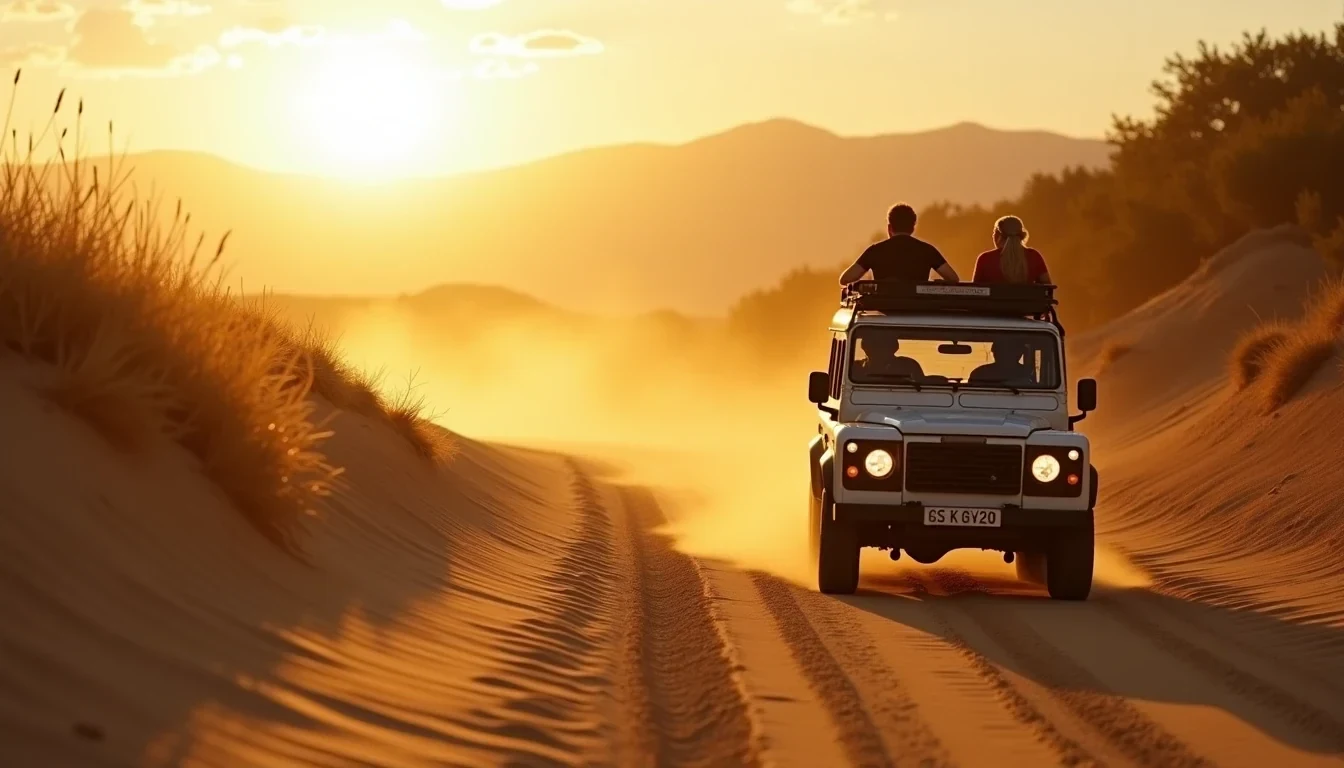
The Parque Estadual do Jalapão sits deep in Tocantins’ sertão, roughly 315 km northeast of Palmas. No paved road completes the journey. The final stretch demands a 4x4 vehicle and a driver who has handled deep sand, river crossings, and roads that vanish after rain. Most travelers choose one of two approaches: a three-to-five-day agency expedition with vehicle, driver, guide, meals, and lodging bundled together, or a self-drive trip that offers schedule freedom at the cost of logistical complexity.
Agency trips run from roughly R$ 3,500 to R$ 6,000 per person depending on group size and comfort level, with departures from Palmas. The operators know which fuel stops carry spare canisters, which river crossings swell first after storms, and which guides are registered with ICMBio or the state environmental agency. Self-drivers must rent or own a proper 4x4, not an SUV with all-wheel drive, and must arrange registered condutores for each attraction independently. The condutor requirement is non-negotiable. No guide means no entry at every fervedouro, dune, and waterfall on the standard circuit.
The route from Palmas follows BR-010 north toward Porto Nacional, then veers east on TO-050 and progressively smaller roads through Ponte Alta do Tocantins, one of the three main base towns along with Mateiros and São Félix do Tocantins. Fuel up in Palmas; diesel and gasoline become scarce after Ponte Alta. Carry at least 40 liters of reserve if self-driving. Cell signal dies within two hours of leaving the capital. Download offline maps, and tell someone in Palmas your itinerary and expected return.
The Fervedouros
The springs cluster near São Félix do Tocantins and Mateiros. Each operates on the same principle: artesian pressure forces water up through a sandy basin, creating a natural pool where buoyancy overrides gravity. The sensation is not like floating in the ocean or a still lake; the water actively holds you up. Lean back and your shoulders barely submerge.
Fervedouro do Ceiça, often cited as the first discovered and opened to visitors, remains the most photographed. Fervedouro Bela Vista covers more surface area, accommodating slightly larger groups without feeling crowded. Fervedouro do Buritizinho and Fervedouro do Rio Sono offer variations on the same phenomenon, each framed by different densities of buriti palms and golden sand. All enforce the same rules: six to ten people maximum at once, timed entry of roughly 20 minutes, and silence or near-silence requested to preserve the atmosphere. Arrive without a registered condutore and you will be turned back at the trailhead.
The springs are fragile. Too many feet stir the sand and cloud the water. Too much sunscreen or insect repellent on swimmers alters the chemistry. Visitors are asked to rinse off before entering, and the time limits are enforced with stopwatches, not suggestions.
Dunes, Mountains, and Waterfalls
The Dunas do Jalapão rise abruptly from scrubland. Orange sand catches late light in shades that shift from rust to blood orange as the sun drops. The climb is not technically difficult, but the sand is soft and the midday heat severe. Most agencies schedule the visit for the hour before sunset. A reported daily cap of 500 visitors applies, though enforcement varies by season and staffing.
The Serra do Espírito Santo offers the region’s best panoramic view after a steeper, rockier climb. The reported cap here is 250 visitors daily, and the trail closes earlier than the dunes. Start by mid-afternoon to guarantee entry.
Cachoeira da Velha is the muscular counterpoint to the fervedouros’ delicacy. The Rio Novo plunges over a wide horseshoe ledge in a volume of water that earns comparisons to Niagara. At roughly 15 meters high and 100 meters wide, the scale is more intimate. Swimming is prohibited because the current below the falls has killed visitors. Rafting operations downstream use the calmer sections.
Cachoeira do Formiga, by contrast, invites swimming. The water pools in a natural basin of turquoise clarity, fed by a lower, wider cascade that visitors can approach from below. It fills by mid-morning with day-trippers from nearby bases, so arrive early or late.
Pedra Furada, a sandstone formation pierced by natural arches and shallow caves, draws photographers at sunset when light streams through the openings. The site requires little hiking but demands the same registered condutore as every other attraction.
Culture and Craft
The quilombola community of Mumbuca, near Mateiros, has produced golden-grass crafts since before the park’s creation. Capim dourado, the straw-like plant that turns gold after drying, is woven into earrings, bracelets, and decorative objects sold directly from workshops in the settlement. The craft is protected by federal law. Imitation products made with synthetic materials circulate in some tourist shops, so buying from Mumbuca itself guarantees authenticity. Visits typically last an hour, include a demonstration, and cost nothing beyond what you choose to purchase.
Rules, Fees, and What Changes in 2026
The regulatory framework tightened in recent years and will tighten further. As of May 1, 2026, Mateiros municipality plans to impose a R$ 30 per person sustainability tax, the taxa de sustentabilidade, payable by Pix or bank transfer, valid for eight consecutive days of park access. Exemptions cover registered residents, children under 10, adults over 65, and people with disabilities. Local business owners have challenged the fee in court, and the legal status remains unresolved as of early 2026. Visitors should verify current status before departure, as injunctions could delay or modify implementation.
Regardless of the tax, several rules already apply universally. Registered condutores are mandatory at all listed attractions. Fervedouros enforce their six-to-ten-person limits and 20-minute windows without exception. The reported daily caps of 500 at the dunes and 250 at Serra do Espírito Santo operate on a first-arrived basis; high-season weekends in July and August can fill both by early afternoon.
When to Go and What to Budget
The dry season, roughly May through September, concentrates nearly all visitation. Roads are passable, river crossings are low, and the risk of becoming stranded drops sharply. June and July bring the clearest skies and coldest nights, with temperatures dipping below 10°C after sunset despite midday highs near 30°C. August and September warm slightly and see thinning crowds. October rains can begin early; November through April is genuinely risky for self-drivers and unpleasant even with agencies, as attractions close and roads become impassable.
A five-day agency expedition in 2026 runs approximately R$ 4,500 to R$ 6,500 per person including all meals, lodging in pousadas or camping, vehicle, driver, and guides. Self-drivers face vehicle rental of R$ 400 to R$ 600 daily for a proper 4x4, plus fuel (expect R$ 800 to R$ 1,200 for the round trip from Palmas), plus condutore fees of R$ 150 to R$ 300 per attraction, plus lodging at R$ 150 to R$ 400 nightly depending on base town and comfort. The Mateiros sustainability tax, if implemented, adds R$ 30 per person. Neither approach is cheap, but the agency premium buys risk reduction and local knowledge that self-drivers cannot replicate without months of preparation.
What to Pack and What to Skip
Bring long sleeves for sun protection, a fleece or light down jacket for evenings, and sandals that strap securely for river crossings. Standard flip-flops fail in current. Pack biodegradable soap and shampoo; many pousadas lack sewage treatment, and whatever enters the ground reaches the water table. Leave drones at home; flying them in the park requires permits that casual visitors will not obtain. Do not count on buying supplies beyond basic snacks after Ponte Alta. Do not assume your credit card will work; carry cash for small purchases and know that ATMs in Mateiros and São Félix are unreliable.
Skip the impulse to visit every fervedouro. The experience repeats after the third or fourth spring, and the time spent driving between distant pools subtracts from time at the dunes or waterfalls. Three springs over five days is a better ratio than five springs in three days. Skip the temptation to bypass the condutore requirement; enforcement has increased, and the fines for unguided entry now exceed the cost of hiring properly.
Jalapão delivers what the Instagram posts promise, but only to travelers who accept its terms. The springs will hold you up, the dunes will burn orange at sunset, and the roads will punish anyone who arrives unprepared. Plan for the logistics first. The floating comes after.