Entertainment
Why Brazil Stops for Brasileirão Série A's Final Games
Brazil's top football league culminates not in a single knockout game, but a grueling 38-round season where arithmetic crowns the champion and the nation.
The 2026 Brasileirão Série A will end as it always has: with 20 clubs still breathing, calculating, and hoping another team’s result goes their way. There is no knockout final, no sudden death, no single moment to replay for decades. Just 38 rounds of accumulated joy and failure, and on 2 December 2026, arithmetic will crown a champion. Flamengo sits on 73 points after 33 rounds. Palmeiras trails with 70. Five matches remain. The math is brutal and beautiful.
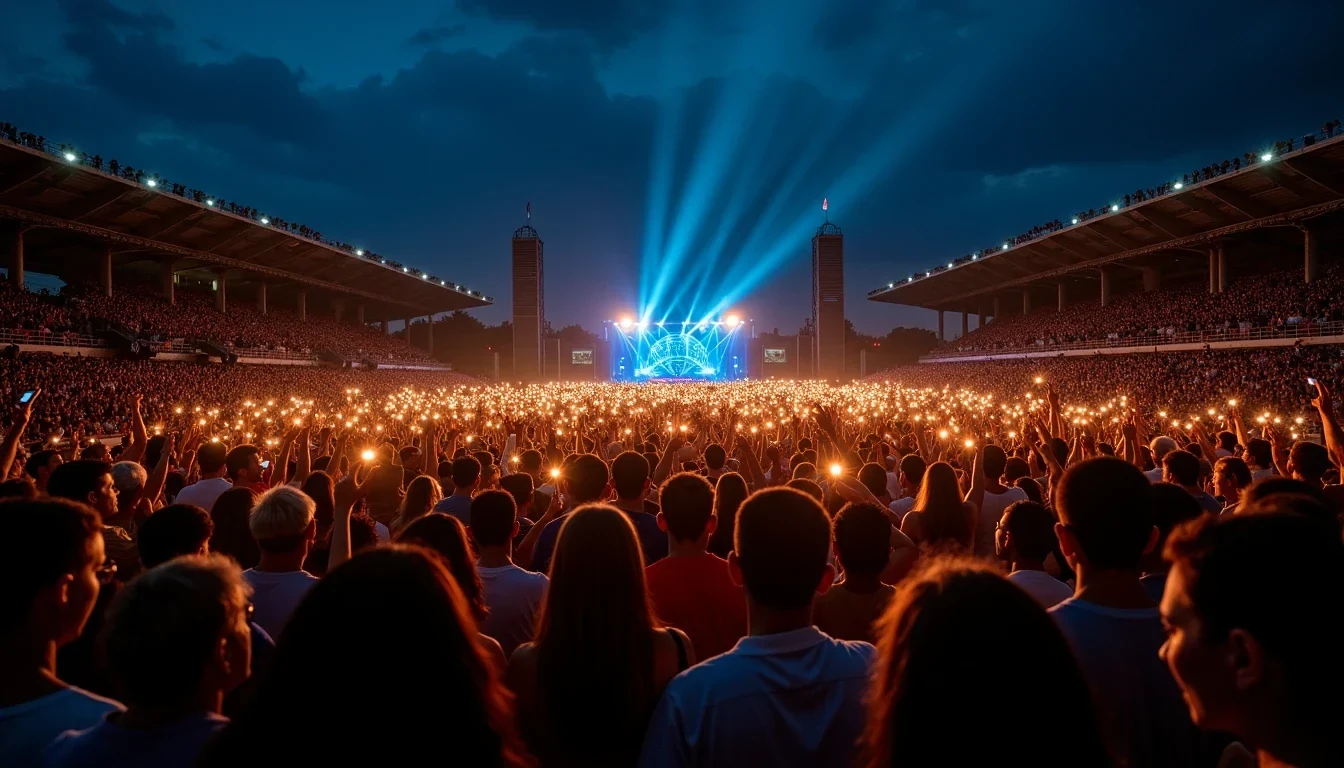
Brazil stops for a Sunday afternoon in December when every stadium holds a different story and the league table shifts with each goal scored 3,000 kilometers away. It is not for a Super Bowl spectacle.
How the Title Gets Won
Flamengo controls its own fate. Four wins and a draw from its final five matches would lift the club to 86 points, an unreachable total for Palmeiras even if the São Paulo side wins every remaining fixture. Palmeiras’s maximum return stops at 85. The simplest path for the red-black half of Rio is to keep winning.
Palmeiras must be perfect and pray. Five victories gives them 85 points, but they still need Flamengo to drop at least three points somewhere. This slip could come as a single draw and a loss or three deadlocked matches. If both finish level, the tie-breaker cascade begins with most wins, then goal difference, then goals scored, then head-to-head, then disciplinary record, then a literal draw of lots. The CBF’s tie-breaker hierarchy, published annually in its regulamento, indicates goal difference will almost certainly decide any dead heat.
The season’s structure intensifies the tension. A July restart after the 2026 World Cup pause compressed the calendar. Clubs played midweek rounds in October and November that they might have spread across a normal autumn. Fatigue accumulates, and squads thin. A red card in round 35 can echo into round 38.
The Relegation Fight Steals the Show
For emotional rawness, the bottom of the table routinely outperforms the top. Four clubs will fall to Série B. As of early November, Atlético-GO (33 points), Criciúma (32), Coritiba (30), and Avaí (29) occupy the danger zone, though the CBF may still adjust fixtures and the table will shift.
The arithmetic of survival is unforgiving. Forty-five points has historically marked the safety threshold in most Série A campaigns. Atlético-GO needs four wins from five to reach that mark. Criciúma needs four wins and a draw. Coritiba must win every remaining match. Avaí, on 29 points with 15 available, cannot reach 45 at all. Their survival requires not just perfection but a collapse by multiple clubs above them.
These matches generate the specific agony of the Brasileirão format. A club in 16th place plays knowing a single goal elsewhere could drop them into the relegation zone before full time. Fans calculate permutations in real time, phones held aloft, radios pressed to ears. The stadium announcer’s voice carries news from Curitiba while the match unfolds in Fortaleza. The direct clashes between bottom-half teams become, in common parlance, “six-point games” because victories add to one ledger while subtracting from a rival’s.
Getting Inside the Stadium
Tickets for final-round home matches disappear fast. For Flamengo’s last home fixture at Maracanã or Palmeiras’s at Allianz Parque, the public sale window often measures hours, not days.
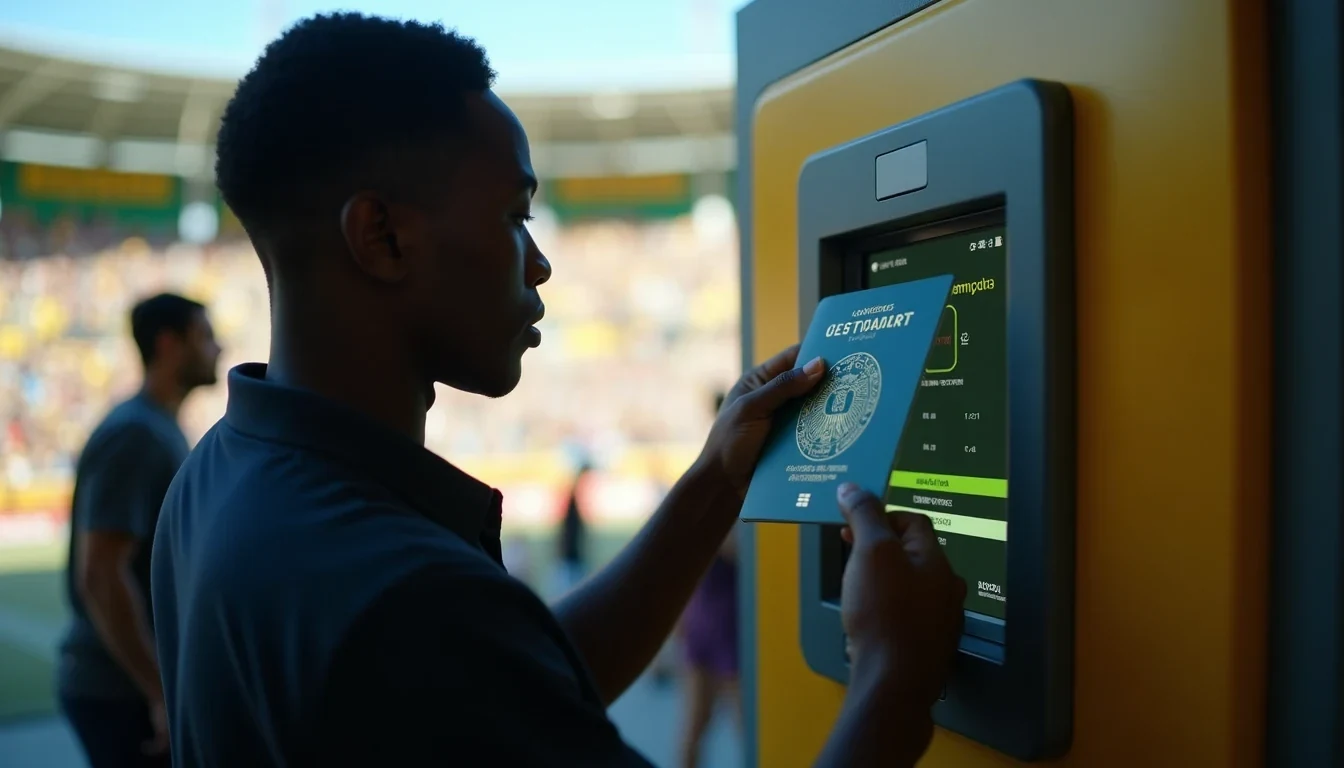
The reliable path runs through “sócio-torcedor” membership programs. Flamengo’s Nação program and Palmeiras’s Avanti offer pre-sale access and discounted pricing tiers. Non-members compete for whatever remains when public sales open, typically three to five days before kickoff. Prices for major matches in 2026 have ranged from R$80 for upper-tier seats to R$300-plus for lower-tier sections closer to the pitch, with variance by opponent and stakes.
Official channels dominate: club websites (flamengo.com.br, palmeiras.com.br) and authorized platforms like FutebolCard and Total Acesso. Unofficial resellers circulate outside stadiums and across social media, but counterfeit tickets and inflated pricing make them a genuine risk. The CBF and clubs have repeatedly warned supporters to verify barcodes through official apps before payment.
For neutral visitors wanting the atmosphere without club allegiance, smaller clubs in the relegation fight sometimes offer easier access. A round-37 match at Couto Pereira in Curitiba or Heriberto Hülse in Criciúma carries comparable tension with simpler ticketing.
Where to Watch When the Stadium Is Full
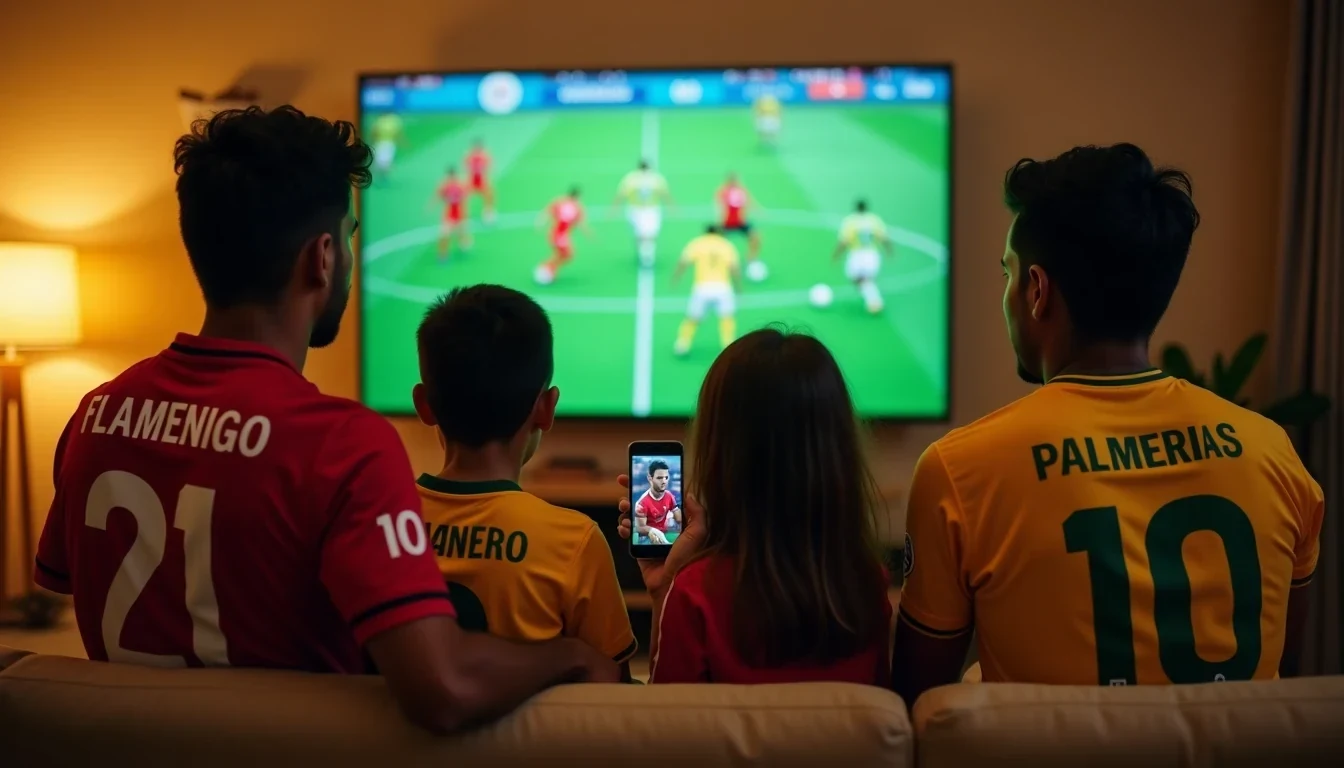
Brazil’s bar culture absorbs the overflow. In Rio de Janeiro, Lapa and Vila Isabel concentrate traditional botecos with screens large enough for crowds to track multiple matches simultaneously. Bar do Adão operates several locations with reliable projection setups. Botequim Informal draws mixed crowds for afternoon fixtures. In São Paulo, Vila Madalena and Pinheiros serve similar functions. Boteco São Bento and Cervejaria Nacional combine craft beer selections with match coverage that rivals dedicated sports bars.
The experience differs from stadium attendance. Bars allow simultaneous tracking of multiple matches, which is crucial on the final day when four or five fixtures carry direct implications for the same table position. Strangers argue, calculate, and celebrate goals scored by clubs they otherwise despise because those goals help their own team’s standing. The communal math becomes its own social ritual.
Arrive early for decisive rounds. Bars fill by 30 minutes before kickoff for routine matches, but for title-deciding or relegation-escaping fixtures, the queue starts an hour out.
Who Shows the Matches
Brazil’s broadcast rights fragmentation mirrors its political complexity. No single platform carries everything.
TV Globo retains free-to-air rights to the headline fixtures, typically one or two matches per round on Wednesday and Sunday evenings, reaching audiences that still measure in the tens of millions. SporTV, Globo’s pay-TV arm, expands coverage to multiple matches per round. Premiere, the group’s pay-per-view service, offers comprehensive access approaching all 380 matches.
Streaming has disrupted this hierarchy. Globoplay subscribers access Globo and SporTV broadcasts plus exclusive digital content. Amazon Prime Video holds specific club agreements, historically including Athletico Paranaense and Botafogo home matches, with 2026 extensions to be verified against CBF documentation. CazéTV, the digital-native platform built from influencer Casimiro Miguel’s audience, streams select matches free on YouTube and Twitch, including reported Vasco da Gama home fixtures.
Dedicated followers need multiple subscriptions. A Flamengo supporter in São Paulo might watch their club on Premiere, track Palmeiras on SporTV, and catch a relegation six-pointer on CazéTV, all in the same afternoon.
Libertadores Stakes Beyond the Top Two
The title race dominates headlines, but qualification for the 2027 Copa Libertadores shapes club finances for years. Brazil typically receives six or seven group-stage places plus potential qualifying-round entries, distributed across Brasileirão finishers, Copa do Brasil winner, and Copa Libertadores defending champion. The precise 2027 allocation awaits CONMEBOL confirmation, but clubs finishing third through sixth generally secure direct group-stage entry, with seventh place often entering qualifying.
These positions carry concrete value. Group-stage participation guarantees minimum prize money exceeding $3 million USD plus broadcast and match-day revenue across six home fixtures. For clubs outside the traditional big-six revenue bracket, a Libertadores run can fund infrastructure improvements or retain key players. The final rounds see mid-table clubs with nothing else to play for suddenly motivated by the possibility of overtaking a rival for sixth place.
Celebrating Safely in the Streets
If Flamengo seals the title, the Aterro do Flamengo and Cinelândia become gathering points. Palmeiras victories draw crowds to Avenida Paulista and Praça da Sé. These celebrations follow recognizable patterns: flags waved from car windows, metro stations overwhelmed, fireworks audible across neighborhoods, and the specific rhythm of massed drums and chants continuing past midnight.
Personal safety requires specific preparation. Travel in groups. Use metro or ride-sharing apps rather than attempting to drive through dense crowds. Agree on a meeting point before separating. Phone batteries drain fast in areas with overloaded cell towers; portable chargers help, but paper backup of key numbers is more important.
Pickpocketing concentrates where crowds compress, particularly around metro exits and at gathering-point perimeters. Police presence increases for anticipated celebrations, but density limits their effectiveness. Excessive alcohol consumption amplifies risk disproportionately; the atmosphere carries sufficient energy without chemical enhancement.
For visitors, the spectacle justifies the preparation. A Brazilian title celebration differs from European equivalents in its geographic spread. In England, a Manchester City title concentrates in central Manchester. In Brazil, Flamengo supporters gather in Rio, in São Paulo, in Belo Horizonte, and in smaller cities where economic migration has scattered fandom. The simultaneity of dispersed celebration creates a national pulse measurable in internet traffic spikes and electricity demand.
What Remains Uncertain
The CBF retains authority to adjust final-round fixtures for broadcast optimization or competitive balance. Kick-off times for the 38th round, scheduled for 2 December 2026, may shift from the currently published schedule. The league table as of 4 November reflects 33 completed rounds, but a protested result or disciplinary deduction could alter positions before the final fixtures.
This uncertainty is characteristic. The Brasileirão’s format generates suspense because of its complexity, not despite it. No playoff bracket simplifies the narrative. Twenty clubs remain protagonists until the final whistle, each with some mathematical possibility, however remote, of affecting their own fate or someone else’s.
Brazil stops because the arithmetic is shared. The same table that crushes Avaí lifts Flamengo. The same goal scored in Porto Alegre rescues or damns a club in Recife. On 2 December 2026, the country will calculate together, argue together, and briefly, in victory or survival, celebrate together.