Entertainment
Your First Maracanã Matchday Guide Biometric Entry
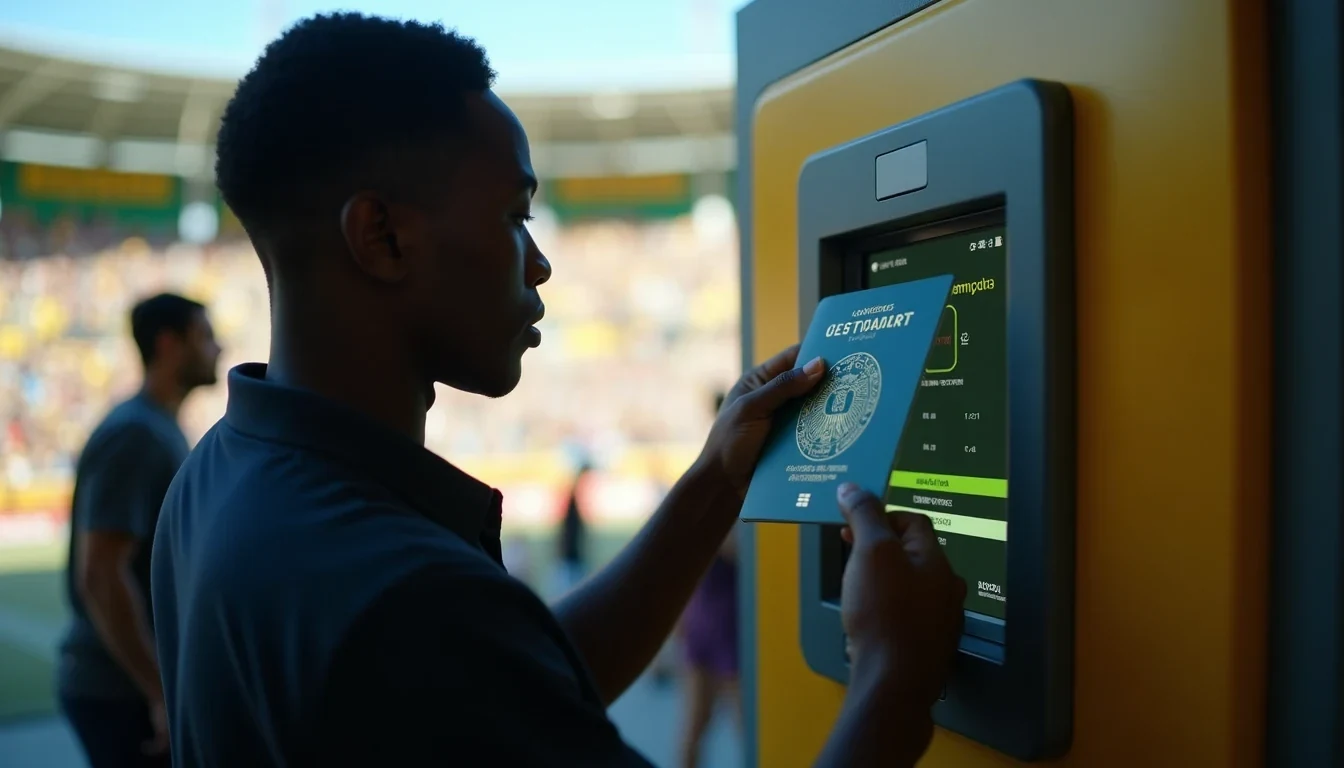
Since June 2025, Brazil's Lei Geral do Esporte mandates facial biometric entry for all stadiums over 20,000 capacity, including Maracanã.
Sixty thousand voices begin singing two hours before kick-off, in the metro corridors and the praça outside. Drum corps rehearse chants that will not stop until the final whistle. If you are walking into the Maracanã for the first time, the sound arrives before the sight of the bowl. By the time you clear the turnstile, your chest is already vibrating. This is not a venue you visit; it is a frequency you enter.
Since June 2025, that frequency has a gatekeeper. Brazil’s Lei Geral do Esporte (Law 14.597/2023) made facial biometric entry mandatory for every stadium in the country seating more than 20,000. The Maracanã, at roughly 78,000 capacity, was never exempt. Every sector now requires a pre-registered face scan tied to valid identification. There are no exceptions for complimentary tickets, premium lounges, or a child brought in on a member’s guest pass. The system does not care how far you flew to get here.
How biometric entry actually works
The turnstiles at Maracanã now run on face recognition. Your ticket is not enough; your face must be registered in advance, linked to a document, and then matched at entry against the original photo ID you carry on matchday.
For Brazilians with a CPF, the process is straightforward if you do it early. Buy through the club’s official channel, register your facial image during purchase, and bring your RG or CNH. The scan at the gate takes two seconds. The bottleneck is not the technology; it is the crowd of people who waited until the last minute and are now fumbling with app passwords in the Rio heat.
Foreign visitors without a CPF face a narrower path. Club rules for passport holders vary by fixture and by which home team is playing. Flamengo and Fluminense, the Maracanã’s primary tenants, maintain separate procedures for international buyers. Typically you will need to complete a dedicated registration portal or present your passport for in-person verification at an authorized point. On matchday, your original passport is mandatory. Not a photocopy, not a photo on your phone, but the document itself. Check current club rules before you buy, because the process that worked for a Flamengo Copa Libertadores match in March may not be the same for a Fluminense Brasileirão fixture in July.
The biometric mandate has one side effect that works in your favor: it has made ticket touting far harder. A scalper outside the stadium can no longer hand you a paper ticket and wish you luck. The face on the ticket must match the face at the gate. This does not eliminate fraud entirely, but it shifts the risk dramatically toward anyone buying unofficially.
Where to sit when you do not belong to either tribe
The Maracanã divides emotionally along its north-south axis. The Norte end houses the home team’s torcidas organizadas. Here the drumming is relentless, flags obscure entire sections, and chants are choreographed and deafening. For a first-timer who wants the rawest version of Brazilian football culture, Norte is the answer. For anyone with children, anyone who needs to sit down occasionally, or anyone who simply wants to watch the game with both eyes, it is probably too much.
The Sul end functions as the away sector when Flamengo or Fluminense hosts. It also serves as Fluminense’s home end when they are the primary tenant. The intensity here depends on the opponent. A small-state visitor in a midweek cup match will not generate much noise. A visit from Vasco da Gama or Botafogo turns Sul into a pressure cooker of its own.
Neutral first-timers should look to the Leste or Oeste lateral sectors. These run the length of the pitch, offer panoramic sightlines, and maintain a volume level that still immerses you without demanding total submission. The Oeste sector contains Maracanã Mais, the premium area where R$500 (as of Flamengo v Remo, 19 March 2026) buys you a buffet, open bar until halftime, and padded seating. General-public tickets for that same fixture ranged from R$80 to R$200 depending on sector. Member prices started at R$20. The away Sul B sector was priced at R$80. All of these figures shift by opponent and competition. A Libertadores knockout match against an Argentine giant will not resemble a Copa do Brasil early round against a Serie C side.
Buying without getting burned
The only reliable channels are the ones the clubs control. For Flamengo matches, ingressos.flamengo.com.br is the primary portal. Away fans typically purchase through futebolcard.com. The stadium box offices sell tickets on specific dates, but biometric registration is easier to complete online with time to spare.
Street vendors around the Praça Maracanã on matchday are not merely overpriced. They are selling tickets the biometric system will reject. The face on the ticket is not yours, and the turnstile will know in under a second. You will be left outside, lighter by several hundred reais, listening to the roar you paid to join.
Getting there and getting home
The Metro’s Maracanã station drops you at the stadium’s door. Line 2 (Verde) serves it directly from downtown, Zona Sul, and the Tijuca connection. SuperVia’s urban train network also terminates at the adjacent station, useful if you are coming from the Baixada Fluminense or northern suburbs. Both systems run expanded schedules for major fixtures, but post-match crowds are still substantial. Expect twenty to thirty minutes of platform density after the final whistle.
Night games introduce a specific problem. The Metro closes at midnight on weeknights, slightly later on weekends. A match ending near 23:00 with extra time or penalties can cut your margin thin. SuperVia operates on its own timetable. If you are staying in Zona Sul, plan your exit before the final ten minutes of play, or budget for rideshare surge pricing that can triple the normal fare. The area around the stadium after dark is not dangerous in the way foreign coverage sometimes suggests, but it is chaotic, poorly lit in patches, and full of disoriented crowds. Move with purpose.
What to wear and what to leave behind
Do not wear the away team’s colors in the home end. This is a hard social rule enforced more reliably by surrounding fans than by any steward. A neutral visitor in generic clothing will draw no attention. An away supporter in the Norte will draw far more than is comfortable. The same applies in reverse if you are following your team to the Sul sector.
Prohibited items are standard for major stadiums but worth restating: no bottles, no flares, no large flags on poles, no professional cameras with detachable lenses, no drones. Security is thorough and humorless. Food inside is stadium food: hot dogs, popcorn, sliced pizza in cardboard sleeves, beer in plastic cups. Prices run roughly double what you would pay outside. The Maracanã Mais buffet is the exception, and its value depends on how much you plan to consume before the second half begins.
The stadium without a match
If your trip does not align with the fixture calendar, the Maracanã still offers non-matchday tours that walk you through the locker rooms, the mixed zone, and the tunnel where players emerge. The scale of the empty bowl is different but still striking. A quiet Maracanã is a museum of echoes; on matchday it is a living thing. Both versions are worth your time.
The biometric system will feel like bureaucracy until you clear the gate and the sound hits you. Then it becomes a minor detail, a story you tell later about how Brazil now runs its football on face recognition. You will remember the moment sixty thousand people inhale before a penalty, or the precise second a goal turns the Norte end into a single red-and-black wave. The technology got you inside; the humans did the rest.