Street
São Paulo's Graffiti and Pixação Uncover the City's Soul
Explore São Paulo's contrasting street art forms, grafite and pixação, and understand their distinct cultural, visual, and legal implications across the city.
São Paulo does not hide its contradictions. It paints them ten stories high and writes them into federal statute. Visitors arrive in Vila Madalena with phones raised, hunting color in the alleys of Beco do Batman, while half a kilometer away the same city wears a second skin of black runes scaling concrete towers. One form of paint is protected by law; the other will land you a sentence that starts at three months and can stretch to a full year, plus fines. To walk São Paulo with your eyes open means learning to read both languages, because the walls here do not merely decorate; they answer back.
The Two Languages on the Wall
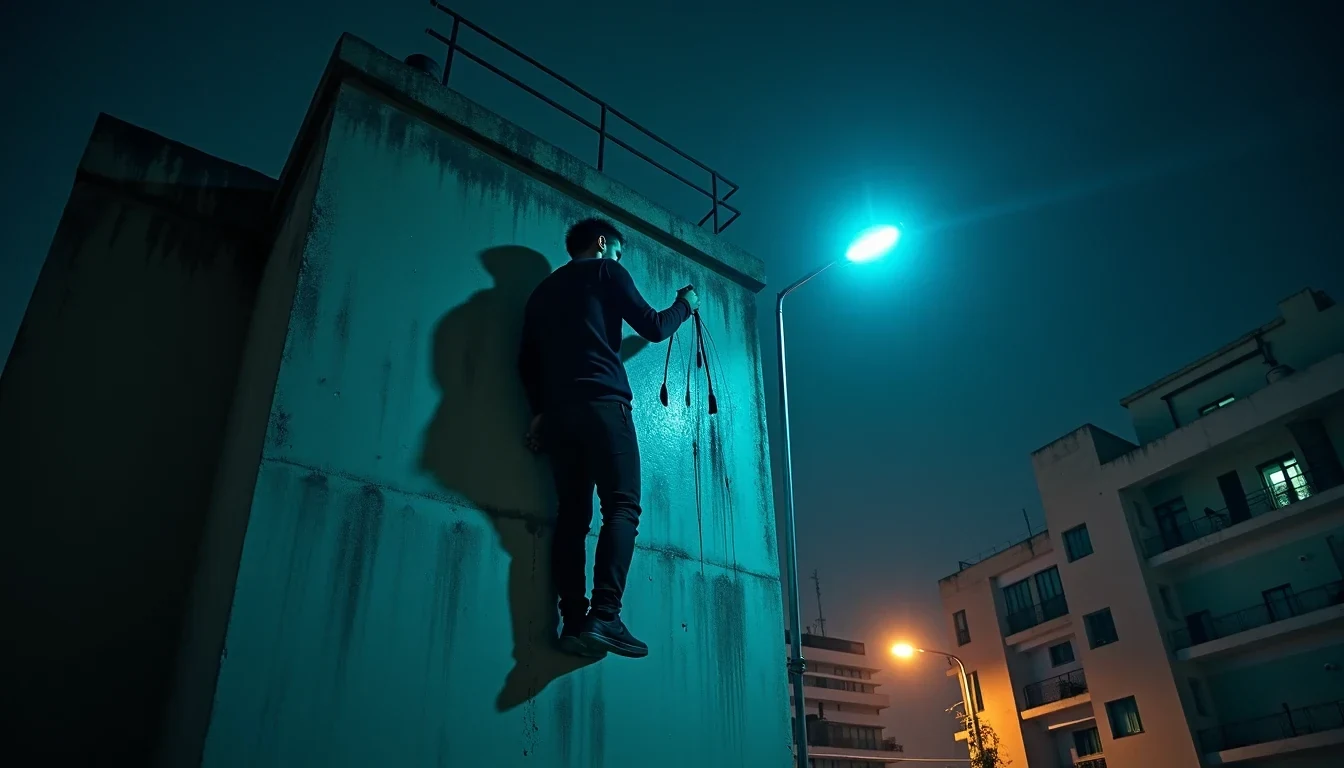
The distinction between grafite and pixação is cultural, visual, and legal. Grafite is the work tourists queue for: figurative murals, saturated color, often painted with the owner’s consent or a commission from the Prefeitura. Pixação is something else entirely. Born in São Paulo’s periphery during the 1980s, it consists of angular, runic marks scratched or painted with stark economy, usually black or white, racing up the faces of tower blocks and bridges. Grafite invites the public to look; pixação dares the city to look away.
Brazilians enforce the split in court. A 2011 amendment to the Environmental Crimes statute, Law 9.605/1998, rewrote Article 65 to erase criminal penalties for grafite painted with permission. The same legal revision left pixação untouched. Paint with a building owner’s okay and you are an artist. Climb a tower to leave an angular tag without consent and you are committing an environmental crime. The law does not treat all spray cans equally because São Paulo does not treat all marks on its skin equally.
A Walk Through the Canvas
Start where most people do, but look deeper than the Instagram frame. Beco do Batman occupies a corner of Vila Madalena where Rua Gonçalo Afonso meets the upper end of Rua Medeiros de Albuquerque. The alleys have been repainted nonstop since the early 1980s, after a single Batman figure left by a local artist gave the passage its name. What began as a joke became a rotating outdoor gallery where no wall stays the same for long. The neighborhood is alive, not a museum. A 2017 bid to heritage-list the area divided residents; some saw tourism as an intrusion on their morning coffee and front doors. Walk quietly. Keep your voice down. The art is public. The homes are not.
From Vila Madalena, trace the movement east to Cambuci. This is the neighborhood that raised Otávio and Gustavo Pandolfo, the twin brothers known as Os Gêmeos. Before the yellow-skinned characters traveled to Tate Modern in London or the Museum of Contemporary Art in Los Angeles, they started here. Cambuci does not offer the dense concentration of Beco do Batman, but its walls carry the weight of origin. You are standing where São Paulo’s global street art reputation was born.
Next, head to the Minhocão, the Elevado Presidente João Goulart. This 3.4-kilometer elevated highway closes to cars on Saturdays from 2 PM to 10 PM and on Sundays and holidays from 7 AM to 10 PM, opening the road to pedestrians and cyclists. Beneath the traffic noise that defines weekdays, the structure hosts giant murals by some of the city’s most recognized names. The Plano Diretor still argues over whether the viaduct will become a permanent elevated park or keep its current hybrid life. Check operating hours directly with the Prefeitura before you go. Schedules shift, and nothing kills a walk like a locked gate or four lanes of resurrected traffic.
Finish in the city center, around República, Anhangabaú, and Santa Cecília. Here the two languages collide. Commissioned grafite shares wall space with pixação that has clawed its way up the faces of historical buildings. The center is raw, uncurated, and loud. It is São Paulo without the filters.
The Artists Who Carried It Outward
Os Gêmeos need little introduction in São Paulo, but visitors often miss that their mythology began in Cambuci. The Pandolfo twins developed their signature yellow figures, patterned clothing, and dreamlike narratives from local hip-hop culture and Brazilian folklore. Their canvases now span Berlin, New York, Lisbon, and Milan, yet the visual grammar remains unmistakably paulistano.
Marcelo Speto built his name with bold outlines, Brazilian folk motifs, and the kinetic energy of skate culture. He has collaborated with international brands and musicians, translating the street into commercial spaces without diluting the line.
Eduardo Kobra, though not born in the same cradle, added a Guinness World Record to the city’s resume with his kaleidoscopic portraiture.
These artists exported São Paulo’s color to the world. Yet the pixadores maintained their own parallel voice. Their runic script, aggressive verticality, and refusal of permission constitute what many consider the city’s most original visual invention. You will not find their names on gallery press releases, but their marks dominate the skyline. Any serious reading of São Paulo’s street culture must make room for both the celebrated muralist and the anonymous climber.
How to Do This Right
Daylight is non-negotiable. The best light for photographing murals is also the best light for staying aware of your surroundings, particularly in the city center where pedestrian traffic thins after dark.
If you want more than surface color, pay for an artist-led tour. These guides open doors, literally and figuratively, explaining technique, beef, history, and context that a casual walker will miss.
Never add your own mark. Tagging existing work or blank walls is illegal, disrespectful, and exactly the behavior that hardens local opposition to tourism in places like Beco do Batman. The 2017 heritage-listing fight already exposed fault lines between residents who value the art and residents who are tired of the noise. Do not widen them.
Finally, confirm Minhocão weekend hours with the Prefeitura before you leave your hotel. Conversion talks under the Plano Diretor mean the strip’s status changes. You want the road closed to cars and open to feet. Show up unprepared and you will inhale exhaust instead of art.