Tech
Get Connected In Brazil SIMs, eSIMs, And 5G For Travelers
Avoid being stranded in Brazil without data. Learn how Vivo, Claro, and TIM offer different coverage across cities, coastlines, and remote regions for.
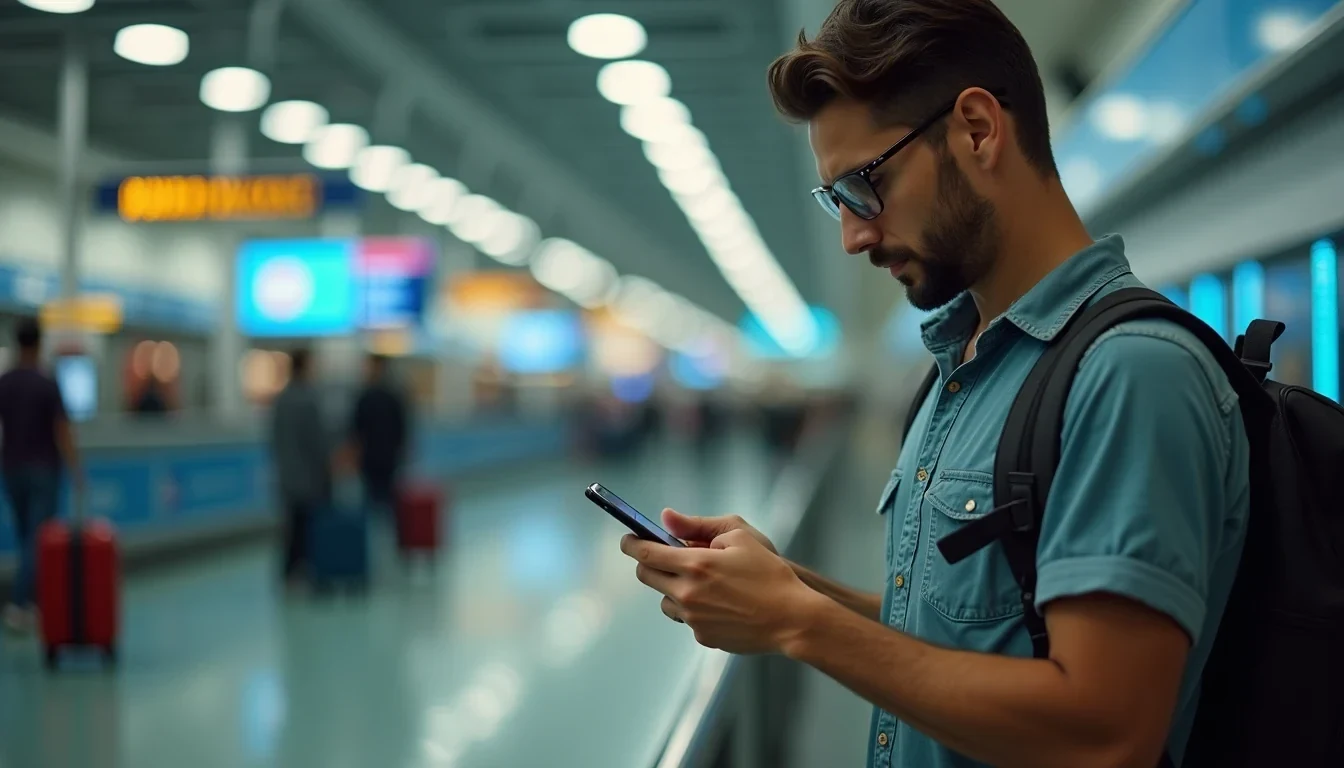
You land at Guarulhos, pull your bag off the carousel, and realize you cannot call an Uber. The airport Wi-Fi loads a map, then stalls. Without a local data plan, you are stranded in Latin America’s largest city with a pocket computer that does nothing.
Vivo, Claro, and TIM run the national networks, but their usefulness varies once you leave the capitals. Vivo keeps bars in places where Claro and TIM surrender to static. In the Pantanal, on Chapada Diamantina trails, or deep in Amazon river communities, Vivo’s signal often hangs on longest. Claro dominates São Paulo and coastal strips. TIM fights hard in cities with aggressive pricing but historically fades faster in the interior. Check coverage maps before committing, because nationwide means wildly different things here.
The Tourist eSIM That Actually Works
Vivo launched its Plano Turista in October 2025. It is the first local option that treats visitors like customers instead of paperwork problems. It is eSIM-only, costs R$55 (2026) for 30 days, and delivers 25GB of data over 5G where available, plus unlimited domestic calls and texts. You buy it online before landing, toggling between English, Spanish, or Portuguese. A passport and a foreign credit card are the only requirements. No store visit, no CPF, no 45-minute queue at a shopping-mall counter.
What the Legacy Carriers Demand
If you skip Vivo and walk into a Claro or TIM store with a passport, the law says they must activate a prepaid line. The reality depends on who is working the counter. Staff at official stores sometimes insist on a CPF, refuse the passport procedure, or simply stare blankly. TIM technically allows activation by dialing *144, but the automated menu is in Portuguese and assumes you already know the local syntax. Travelers report bouncing between multiple locations before finding an employee who understands the foreigner process. Budget an hour, plus taxi fares between shops.
Global eSIMs and the WhatsApp Workaround
Airalo, Holafly, and Saily let you skip Brazilian bureaucracy entirely. These international eSIMs activate before departure and connect the moment you land. The catch is data-only service. You get no Brazilian number, which locks you out of delivery apps, some ride-hailing registrations, and local SMS confirmations. Brazil runs on WhatsApp. Restaurants, guesthouses, tour guides, and even doctors operate through the app. If your entire trip lives inside WhatsApp and maps, a data-only eSIM is enough. If you need to receive bank tokens or verify accounts with a local number, it is not.
5G Is Spreading Faster Than Required
Brasília announced in March 2026 that fifth-generation networks would reach 2,220 municipalities before the calendar flips. That ambition dwarfs Anatel’s original mandate, which asked for only 30 percent coverage in settlements of fewer than 30,000 people by 31 December 2026. The rollout is real in state capitals and wealthy corridors. Step onto a trail in Chapada, a boat in the Amazon, or a lodge in the Pantanal, and you enter the same dead zones that existed a decade ago.
Where Satellite Service Fills the Gap
Starlink has become the invisible infrastructure of Brazilian adventure travel. Figures from Anatel in August 2026 showed the satellite operator had already pulled ahead of TIM for fixed-broadband connections. Pantanal lodges now mount dishes on stilts. Amazon riverboats carry terminals in waterproof cases. Guides in remote parks rely on it for emergency logistics. It will not help your phone on a day hike unless the lodge loans you the Wi-Fi password, but it has rewritten what remote means for extended trips.
Verify current prices directly with each operator before buying. The market moves fast, and the best plan is the one that actually works where you are standing.