Tech
Pix in Brazil How Visitors Pay Instantly, Like a Local
Navigate Brazil's instant payment landscape with Pix, the default system allowing visitors to pay like locals.
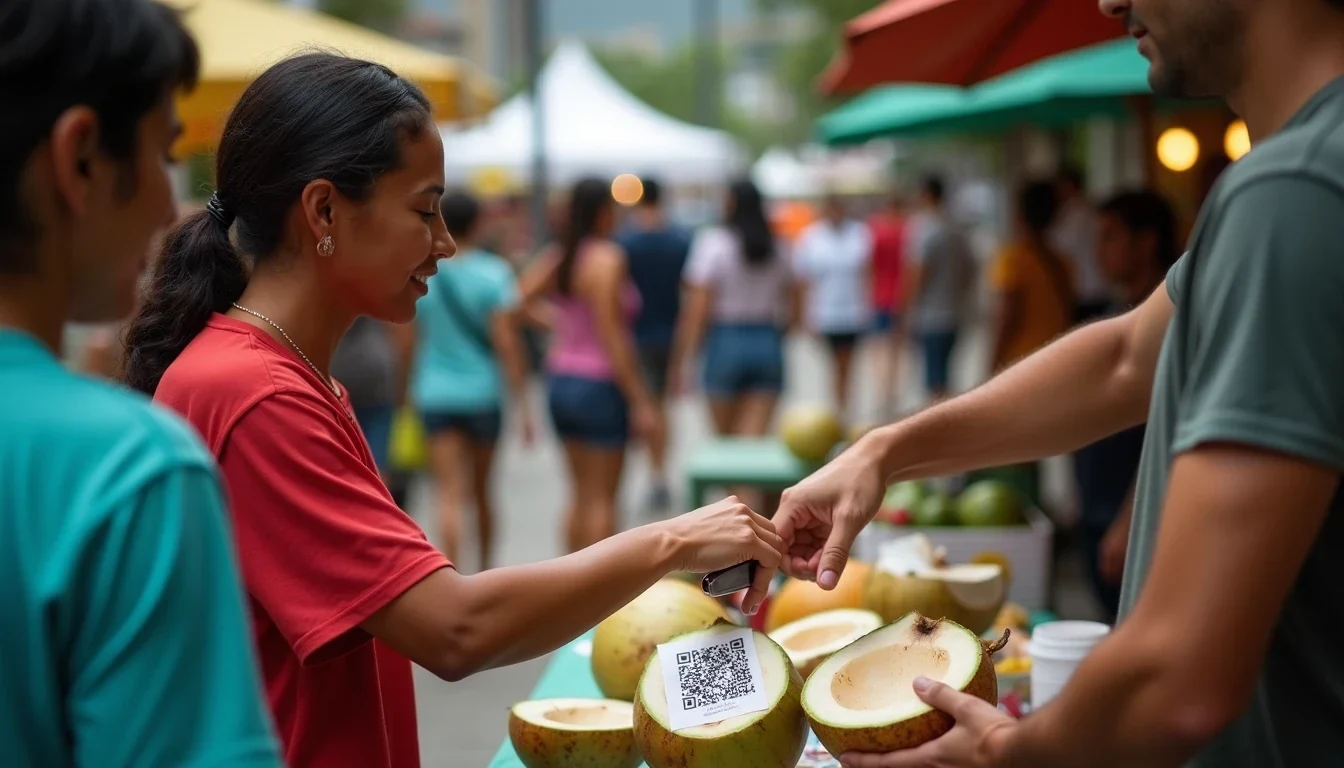
You land in Guarulhos, catch a bus to the metro, and by your first afternoon in São Paulo someone is already pointing a laminated QR code at you. A coconut at the feira, a caipirinha at the beach kiosk, the cover charge at a Beco 203 show. “Pode ser Pix?” The vendor asks it like a greeting. You fumble for cash, or worse, hand over a card that takes thirty seconds to process while the queue behind you shifts and sighs. Pix is the default payment method in Brazil. Banco Central logged 318 million transactions on a single day in September 2026, blowing past the previous record of 313.3 million set the previous December. That volume shows a country that stopped waiting for banks to open.
How Pix Actually Works
The system is brutally simple. Every user links one or more keys to a bank account: usually a CPF, but also email, phone number, or a random string the app generates. To pay, you enter the seller’s key, scan their QR code, or paste a “copia e cola” string they sent via WhatsApp. The money moves in seconds, cleared by the central bank’s infrastructure, not trapped in overnight batching. There are no fees for individuals, no minimums, and no “business hours.”
Dynamic QR codes carry a specific amount for that one transaction, the kind you see at restaurant checkouts. Static codes belong to freelancers, street vendors, the popcorn seller outside Parque Ibirapuera on Sunday afternoons. They print them on cardboard and tape them to folding tables. The “copia e cola” string solves the awkward moment when you are buying a bus ticket on your laptop and need to complete payment on your phone. Copy, switch apps, paste, confirm. Done before the page refreshes.
The CPF Wall and How Visitors Climb It
A Brazilian bank account needs a CPF, the eleven-digit tax ID that anchors every financial relationship in the country. Most visitors do not have one. For years that meant carrying cash, eating ATM fees, or hoping your card worked at the terminal. The workarounds are multiplying, though none is perfect.
Some Brazilian banks now offer non-resident accounts with reduced documentation, though the process still drags and the CPF requirement often reappears in some form. Wise cut through part of the knot in August 2026, launching a service that lets non-residents send money straight to a Brazilian’s Pix key without holding a local account themselves. You still need someone to receive on the other side, a friend or Airbnb host willing to front the cash, but the transfer itself is instant and priced like a local payment.
PagBrasil’s Pix Roaming, live since 2024, takes a different angle. It lets select foreign digital wallets scan Brazilian QR codes directly. The first partner was a Peruvian wallet, proof that the plumbing works, though the list of compatible apps remains short and changes often enough that checking before you fly is sensible. Banco Central maintains the authoritative partner register, and the ground shifts faster than most travel blogs update.
The blunt fallback still functions: hand cash to a trusted local, let them Pix on your behalf. Hostel staff, tour guides, the cousin of a friend. It is not elegant. It is Brazil.
Tap to Pay, If Your Phone Lets You
Pix por Aproximação launched on 28 February 2025, changing the rhythm of small purchases. NFC tap-to-pay, the same gesture you use for contactless cards, now pulls directly from your Pix-linked account through Google Wallet or Samsung Wallet. No app to open, no code to scan. The R$ 500 per-payment cap that constrained early adoption vanished on 1 October 2026, so the system now handles grocery runs and electronics purchases with the same tap.
iPhone users are stuck waiting. Apple has not reached agreement with Brazilian banks over access to the iPhone’s NFC chip for Pix transactions, and CADE, the national competition regulator, opened an investigation in 2026. The standoff is technical and territorial, and no resolution was public at the time of writing. If you carry an iPhone, check current status before relying on tap-to-pay; the QR code remains your friend.
Set It and (Carefully) Forget It
Pix Automático went live on 16 June 2025 under Banco Central Resolution 402, and it authorises recurring Pix payments for subscriptions, gym memberships, utility bills, and the monthly streaming charge you would otherwise forget. The merchant requests, you approve once, and the transfers proceed until you revoke permission.
The convenience is real. The risk is concentration. One compromised subscription service with automatic access to your account is a different threat model than twelve separate card charges you review monthly. Banco Central built in safeguards, but the user still holds the kill switch and should know where it lives in their banking app.
The Safety Rules That Matter
Pix moves money in real time, so mistakes and fraud move in real time too. Banco Central has layered in protections that respond to how people actually misuse the system.
Reduced transfer limits apply to person-to-person Pix between 8 PM and 6 AM, the hours when most fraud occurs and when victims are least likely to notice quickly. The exact limit varies by bank and user history, but the principle is consistent: your money moves slower when you are statistically more vulnerable.
Every major banking app now carries an in-app contestation button for transactions you did not authorise. The window to act is important. Pix settlement is final in seconds, so recovery depends on speed and documentation, not on reversal mechanics. Screenshot everything. Report immediately. The button is not a guarantee; it is a starting pistol.
Practical habits help. Verify the recipient’s name before confirming, especially with keys that do not display full identity details. Be wary of “copia e cola” strings sent unprompted, the Pix equivalent of a phishing link. Split large purchases across multiple verification steps when possible. The system is safe enough that 318 million daily transactions proceed without incident, but that scale includes every grift and misclick too.
Living With It
Pix is the payment layer of Brazilian daily life, from the coconut seller at Praia do Futuro to the landlord collecting rent in Belo Horizonte. For visitors, the gap between understanding Pix and actually using it is narrowing, though it still requires planning, the right apps, and sometimes a local accomplice. For Brazilians, the 2025-2026 updates, proximity payments and automatic debits and shifting limits, show the system maturing into the infrastructure it was always meant to be.
The vendor is still holding that QR code. You will see it everywhere. Best to be ready.