Adventure
Vale Do Pati Trek Guide And Its Safety Risks In Brazil
The stunning Vale do Pati trek in Brazil faces legal scrutiny over severe safety risks, including understaffed tours and no mobile signal, despite its beauty.
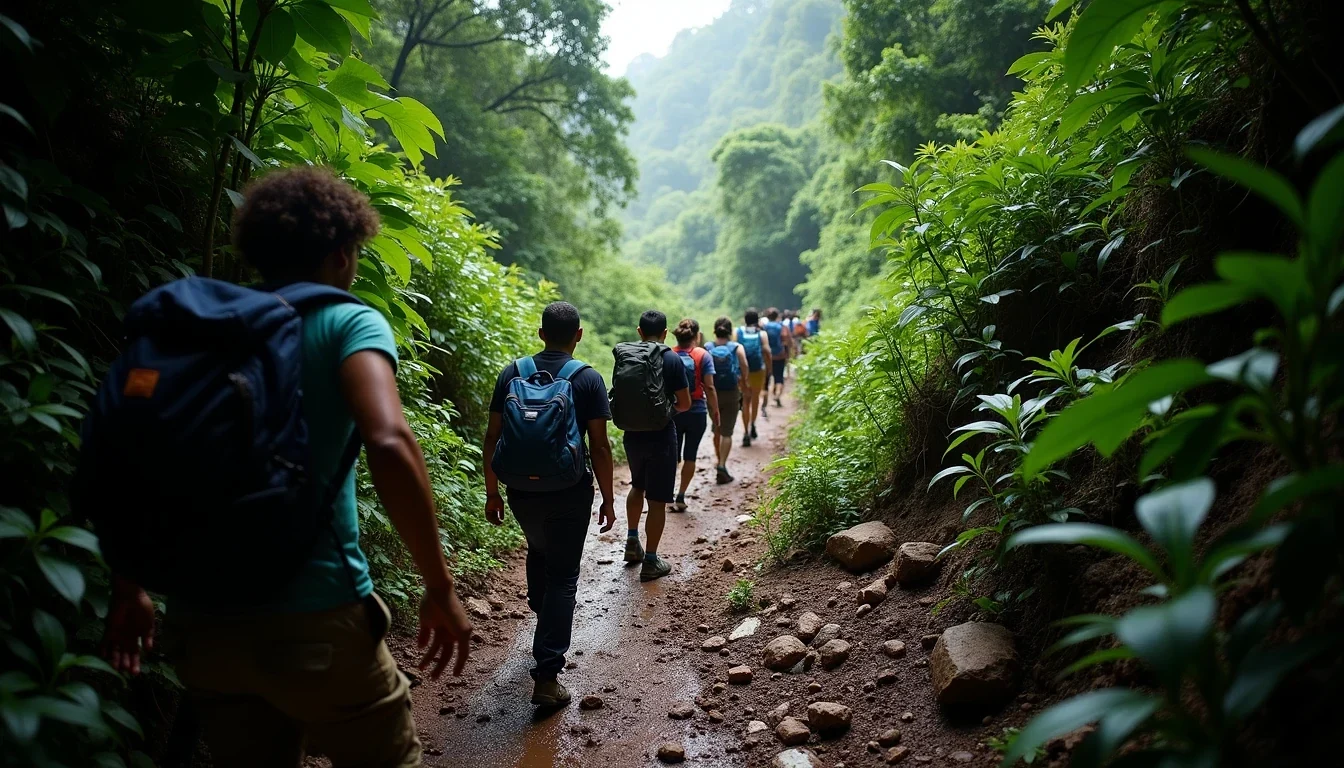
Two guides for thirty hikers, and no way to call for help if someone twists an ankle on the Ladeira do Império. Trekkers reported this setup to the Ministério Público Federal after seeing agencies run the Vale do Pati traverse this way. This occurred even after five severe injuries made headlines in less than twelve months. Correio broke the story in July 2025. The same path whispered to be the most stunning multiday hike in Bahia, maybe in all of Brazil, now carries a legal inquiry from the MPT-BA and a warning that beauty this remote does not forgive corner cutting.
The terrain remains stunning. Between the table mountains of Parque Nacional da Chapada Diamantina, the route climbs to 1,470 meters at Morro do Castelo and peers over the roughly 300-meter void of Mirante do Cachoeirão. Nights end in the homes of Pati families, where solar panels power the lights and dinner comes from the same kitchen that raised the kids. The experience is singular, physically demanding, logistically complicated, and completely without mobile signal from start to finish.
How the trek unfolds
Most agencies sell three distinct durations: three, four or five full days on the circuit. The majority enter through Guiné, the most direct trailhead, though some approach via Vale do Capão or tackle the historic Ladeira do Império ascent from Andaraí. Each leg demands fifteen to twenty kilometers of walking, plus serious vertical gain. Lençóis serves as the operational hub; organize your jeep, buy batteries, and leave spare luggage there before the dawn pickup.
Costs and seasons
Daily rates in 2025 hover between R$ 200 and R$ 500 per person, generally bundling the guide, a bed in a Pati home, plus breakfast and dinner. The jeep from Lençóis to the trailhead is not included. A three-day package totals roughly R$ 1,300 to R$ 2,300, while a full five-day circuit starts near R$ 2,800.
April through October offers the safest footing. May to September is the driest window, when river crossings stay manageable and the mud does not swallow boots. November to March fills every waterfall to its maximum, but the trade-off is slick rock, washed-out paths, and the real possibility of flash floods. If you want the spectacle, accept the risk.
Why safety has become the story
July 2025 brought an uncomfortable reckoning. Correio mapped five severe incidents on the Pati circuit within twelve months. Trekkers responded with a collective petition to the Ministério Público Federal, alleging that some outfitters pair as few as two guides with groups pushing thirty people. The Ministério Público do Trabalho na Bahia opened a parallel investigation into guide labor conditions. Meanwhile, ICMBio drafted a certification scheme back in 2019 to standardize training and ratios across the park. It never reached the valley in any meaningful way. Buracão waterfall, by contrast, now limits each guide to six visitors, a rule active since 2025. The Vale do Pati still operates without any mandatory group-size cap.
How to book without regrets
Mobile signal dies the moment you leave the trailhead and never returns. Your pre-trip questions are therefore existential. Ask the agency exactly how many hikers will share your guide, and demand to see current first aid credentials. Check the company’s Cadastur registration, the federal tourism accreditation that separates legitimate operators from informal middlemen. Ask who cooks the meals in the family homes, because remote kitchens vary in hygiene. Most importantly, get the evacuation plan in writing. If the agency stalls on any of these details, walk away.