Basketball
Find Your Seat for Brazil's NBB Basketball With Franca and Flamengo
Brazil's NBB basketball league provides an accessible, thrilling live sports experience across 18 teams, offering a year-round calendar beyond football.
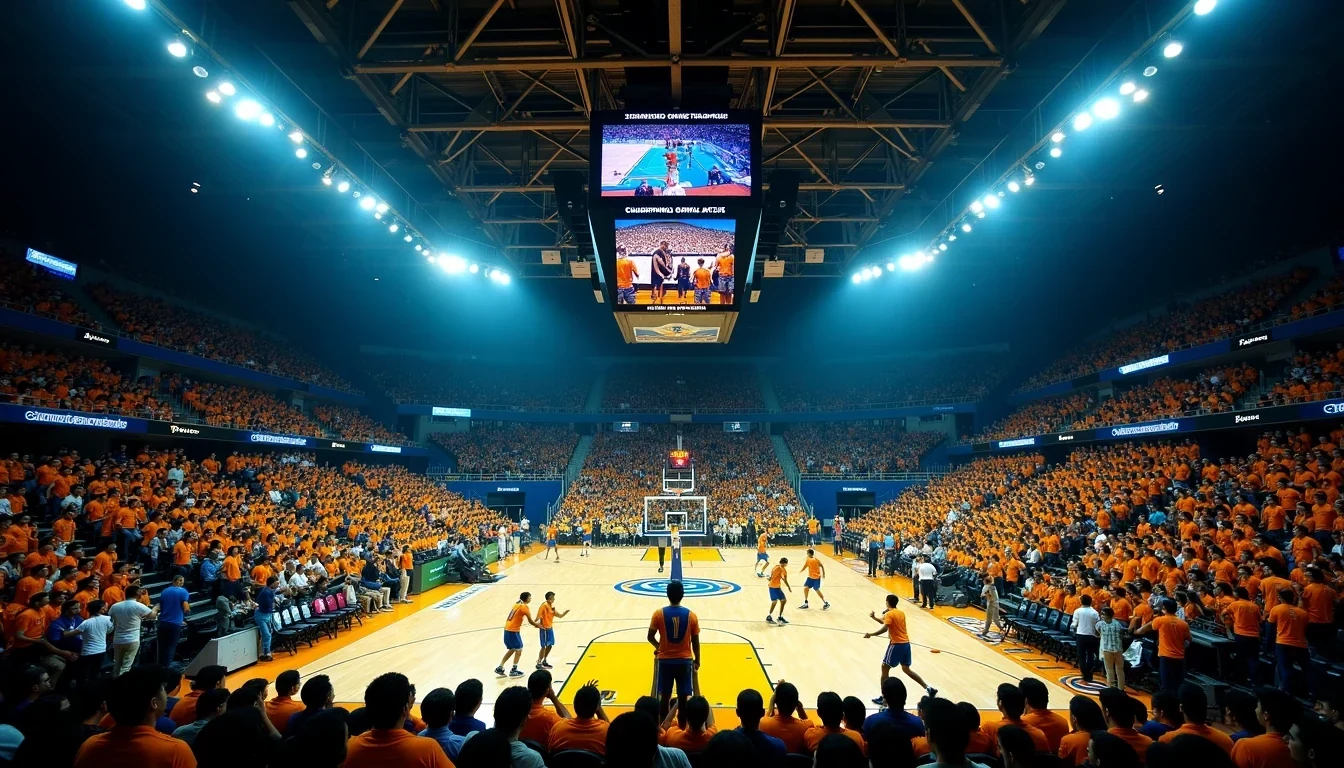
Brazil’s domestic basketball league has spent eighteen seasons proving that the best live sports experience in the country might not require a football ticket at all. The Novo Basquete Brasil, run by the Liga Nacional de Basquete since its founding in December 2008, now fields 18 teams as of the 2026/27 season that opened on 17 October 2026. The NBB offers a calendar that runs deep into the year with games accessible enough to plan a trip around, whether for locals who follow the NBA but never made the short trip to an arena, or for visitors who want a night of Brazilian crowd energy without the Maracanã football markup.
How the League Works
The LNB launched the NBB with 15 teams in that first 2008/09 season. The format has expanded steadily since. The 2025/26 season reached a record 20 teams, though the league contracted slightly to 18 for 2026/27. Every team still plays a true home-and-away schedule across 38 rounds, meaning each club hosts every other club once and travels to every other venue once. The regular season grind is important: the top 16 advance to the playoffs, while the bottom two drop to the Liga Ouro, Brazil’s second division.
Playoff series run best of five, a format that rewards depth over a single hot shooting night. Before the playoffs, the Copa Super 8 interrupts the regular season with a mid-season knockout tournament. The top eight teams from the first half of the schedule face off in single-elimination games. The winner earns direct entry to the BCL Americas, the continental competition. That mid-season prize gives even dominant teams something concrete to chase in January and February, when the long regular season can feel endless.
The Two Dynasties
Flamengo built the NBB’s first empire. The Rio club took the inaugural title in 2008/09, then waited four seasons before assembling one of the most dominant stretches in Brazilian club sports history: four consecutive championships from 2012/13 through 2015/16. They added two more in 2018/19 and 2020/21, bringing their total to seven. No other club has matched that number.
Between Flamengo eras, the trophy circulated. Brasília won three straight from 2009/10 to 2011/12, interrupting Flamengo’s early dominance. Bauru broke through in 2016/17, and Paulistano followed in 2017/18. The 2019/20 season never finished, cancelled outright by the COVID-19 pandemic with no champion declared.
Then came Franca. Sesi Franca Basquete, based in the interior of São Paulo state, has won five consecutive titles from 2021/22 through 2025/26. Their most recent championship, clinched in 2026, came via a 3-1 finals series victory over Pinheiros, with Georginho de Paula named Finals MVP. That five-peat establishes a new standard for sustained excellence in the league, shifting the geographic center of NBB power from Rio de Janeiro to Franca. Franca is a city of roughly 350,000 people whose basketball culture now rivals any in the country.
Where to Watch
Every NBB game in the 2026/27 season streams live on the league’s official YouTube channel, free and without geographic restriction. That access transformed the league’s reach over the past several seasons, making it possible to follow Franca’s title runs or track a specific player’s development from anywhere with an internet connection.
Television coverage runs parallel on three networks. Sportv carries select games, as it has across multiple NBB seasons. ESPN joined the broadcast rotation and remains active for 2026/27. Xsports, which renewed its NBB deal ahead of this season, rounds out the television options. The 17 October 2026 opening date gives the full broadcast schedule time to settle into a weekly rhythm by late October and November.
Going to a Game in Rio
Flamengo plays home games at the Ginásio Gilberto Cardoso, universally called the Maracanãzinho for its location beside the Maracanã football stadium in Rio’s Zona Norte. The arena holds roughly 11,800 for basketball, making it smaller and more intimate than its famous neighbor. Tickets sell through Flamengo’s official website, with inventory typically releasing several days before each home date.
Arrive 60 to 90 minutes before tip-off. The Maracanãzinho sits inside a complex that includes the football stadium, the Maracanã metro station on Line 2, and substantial pedestrian traffic even on non-game nights. Security lines move steadily but not rapidly. The pre-game atmosphere builds in the concourses with the standard arena food options plus local variations. Students with valid Carteira de Identificação Estudantil (CIE) qualify for meia-entrada half-price admission at the box office. Flamengo also runs membership programs that include ticket discounts and early purchase windows; details appear on the club site.
Going to a Game in Franca
Sesi Franca plays at the Ginásio Poliesportivo Pedro Morilla Fuentes, known as the Pedrocão, in Franca, São Paulo state. The venue holds approximately 6,000 and generates a crowd density that can feel more intense than larger arenas. Franca’s five-year championship run has turned Pedrocão games into the hardest regular-season tickets in the league, with season memberships and advance sales absorbing much of the inventory before individual games reach general sale.
The club’s official website handles ticket distribution. For high-demand matchups, especially playoff games or fixtures against Flamengo, checking the site immediately upon release is essential. The same student discount applies with CIE presentation. Franca’s industrial base, built on footwear manufacturing, means weeknight games draw solid crowds of workers from nearby factories, while weekend fixtures tend toward family attendance. The city itself sits roughly 400 kilometres from São Paulo, accessible via regional bus or the Dr. Leite Lopes Airport with limited commercial service.
Practical Tips for Any NBB Venue
Buy only through official club channels or platforms linked directly from those sites. Counterfeit tickets circulate around high-profile matchups, particularly in Rio and São Paulo state. Verify game times and venues the morning of attendance, as the dense schedule occasionally forces late adjustments for television broadcast needs or arena conflicts.
The 38-round regular season runs from October deep into spring, with playoffs extending toward early summer. That calendar spreads across Brazil’s most pleasant weather months in the south and southeast, making arena visits comfortable without the air conditioning dependence of mid-summer football. The two-relegation system keeps late-season games meaningful even for teams outside playoff position, preventing the dead-rubber fixtures that plague leagues without consequences at the bottom.
For visitors timing a Brazil trip around live sports, the NBB offers genuine advantages over football: lower ticket prices, easier availability, more predictable scheduling, and crowds that mix local basketball obsessives with families in a less politically charged atmosphere than the country’s football terraces. The quality of play, particularly from Franca’s roster and Flamengo’s continued competitiveness, justifies the attention that has historically flowed overseas to the NBA.