Esports
Why Free Fire Became Brazil's Biggest Mobile Esport
Free Fire became Brazil's top mobile esport by designing a game that ran on common, affordable Android phones, understanding the nation's mobile-first gaming.
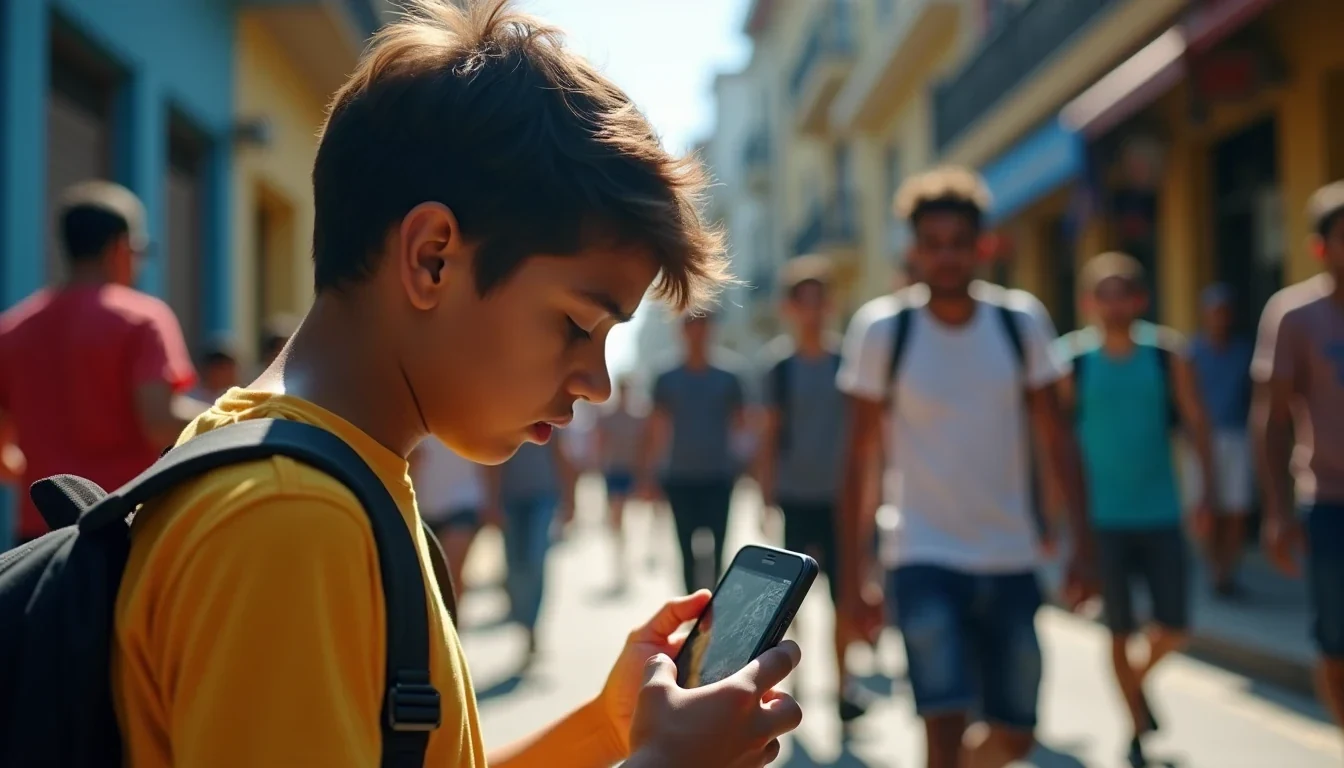
Brazilians do not need a console to be a gaming nation. Eighty-two point eight percent of the population plays games, according to the Pesquisa Game Brasil 2025, and the smartphone is the device of choice for 40.8% of them. That lead over consoles (24.7%) and PC (20.3%) widened further in PGB 2026, with phone preference climbing to 44.1%. Garena understood this arithmetic before most publishers did. Its battle royale Free Fire, built by 111Dots Studio and released globally in 2017, arrived in Brazil that December with a single competitive advantage: it would run on the cheap Android handsets that filled most pockets.
The Phone in Every Pocket
Brazil’s mobile market has long been shaped by price. High import taxes push flagship devices out of reach for most families, and the average consumer buys what functions: entry-level phones with limited RAM, slower processors, and tight storage. Garena designed Free Fire for this reality from the start. The install size stayed small. The graphics scaled down without breaking the game. A match lasted ten minutes, short enough for patchy connections and prepaid data plans. PUBG Mobile and later Call of Duty: Mobile chased visual fidelity and demanded newer hardware, but Free Fire asked only that your phone turn on.
The strategy worked. By early 2018, Free Fire topped Brazilian download charts. By 2019, it had become a cultural fixture in schools, bus queues, and living rooms across the country. The game accommodated low-end phones and turned them into a mass market that other titles had ignored.
The First World Series in Rio
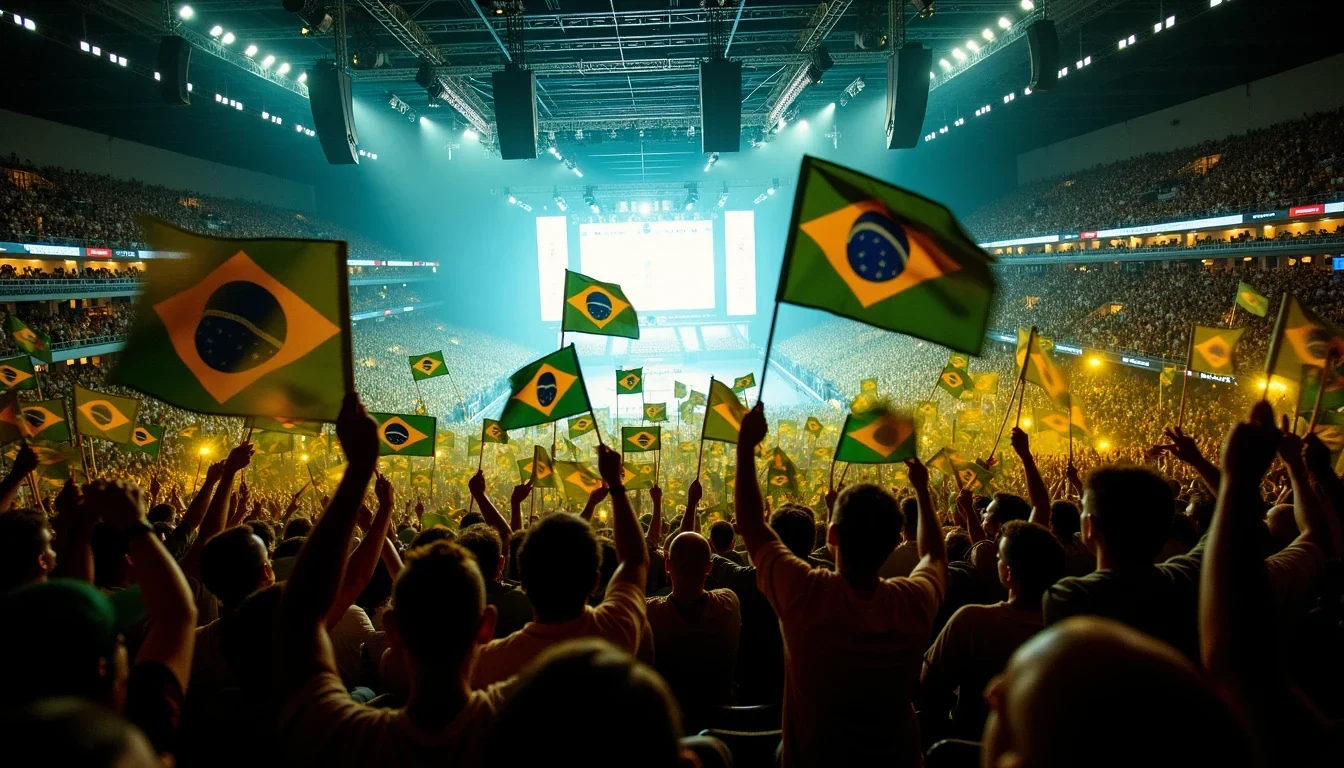
Garena moved fast to turn popularity into spectacle. In November 2019, it staged the inaugural Free Fire World Series at Barra Olympic Park in Rio de Janeiro. Twelve international teams flew in. The event peaked at 1.9 million concurrent viewers, a figure that validated the game’s reach and Brazil’s appetite for mobile esports. Corinthians, the São Paulo football giant that had expanded into competitive gaming, took the title on home soil. The victory gave Brazilian Free Fire immediate credibility. A football country had just claimed a world championship in a video game, and the crossover felt natural.
The FFWS 2019 established a template: global finals held in major cities, Brazilian teams treated as favorites, and broadcast numbers that rivalled traditional sports audiences in the country.
Building a National League
After Rio, Garena needed structure. It launched the Liga Brasileira de Free Fire (LBFF), a national competition with three divisions. Series A held the elite. Series B and Series C fed into it, with promotion and relegation keeping the path open for new organizations. The system mirrored Brazilian football’s pyramid, a format fans already understood.
Teams like LOUD, Fluxo, and Magic Squad developed through this pipeline. LOUD reached the FFWS 2021 grand final in Singapore, losing but proving the domestic league could produce global contenders. Magic Squad climbed from national competition to win the FFWS 2023 in Bangkok, Brazil’s second world title. The LBFF became a functioning talent factory.
In 2024, Garena unified the branding. The LBFF became FFWS Brasil, explicitly linking the national league to the global World Series. The 2026 season runs four groups through the opening stage, then advances teams to a Champion Point final that determines the national champion. The format rewards consistency over single good days, which suits a league trying to identify squads that can survive international pressure.
Three World Titles and a Near Miss
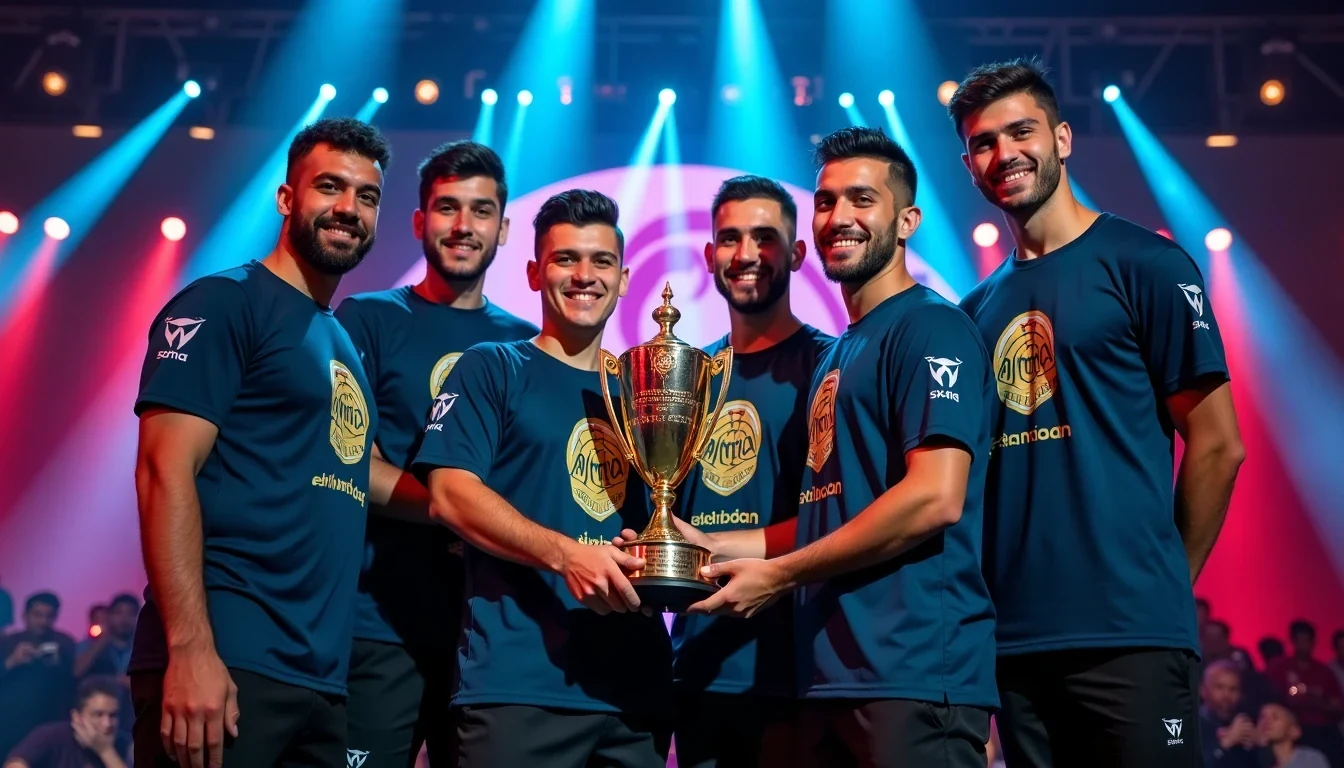
Brazil’s record in Free Fire world championships is unmatched. Corinthians opened the account in 2019. Magic Squad added the second in Bangkok in 2023. Fluxo delivered the third at Arena Carioca 1 in Rio in 2024, defeating RRQ in a final that brought the global tournament back to the city where the story began. Only Brazil has won the FFWS three times.
The failures have been narrow. LOUD fell short in Singapore in 2021. Fluxo reached the 2025 final in Jakarta and finished second, unable to defend its title. Brazilian teams are consistently in contention, and the domestic league produces replacements when rosters turn over.
How to Follow the Scene
New viewers have several entry points. Garena broadcasts FFWS Brasil and all global FFWS events on its official YouTube and Twitch channels, with Portuguese commentary as standard. The 2026 season’s group stage runs weekly matches across four pools, making the schedule predictable.
For detail beyond the stream, Free Fire Mania tracks rosters, results, and format changes. Individual organizations, LOUD and Fluxo among them, maintain active social media presences that post lineups, scrim highlights, and travel updates. The Champion Point final that closes each FFWS Brasil season determines which teams qualify for international competition, so those matches carry stakes that are easy for newcomers to grasp.
The game that runs on a three-year-old Android phone has built a competitive ecosystem worth following on any screen.