Esports
Brazil's Counter-Strike Major in Rio Was a Thunderdome of Passion
After a two-year delay and a 2020 cancellation, the 2022 IEM Rio Major saw Brazilian fans fill the arena with overwhelming passion, creating an unforgettable.
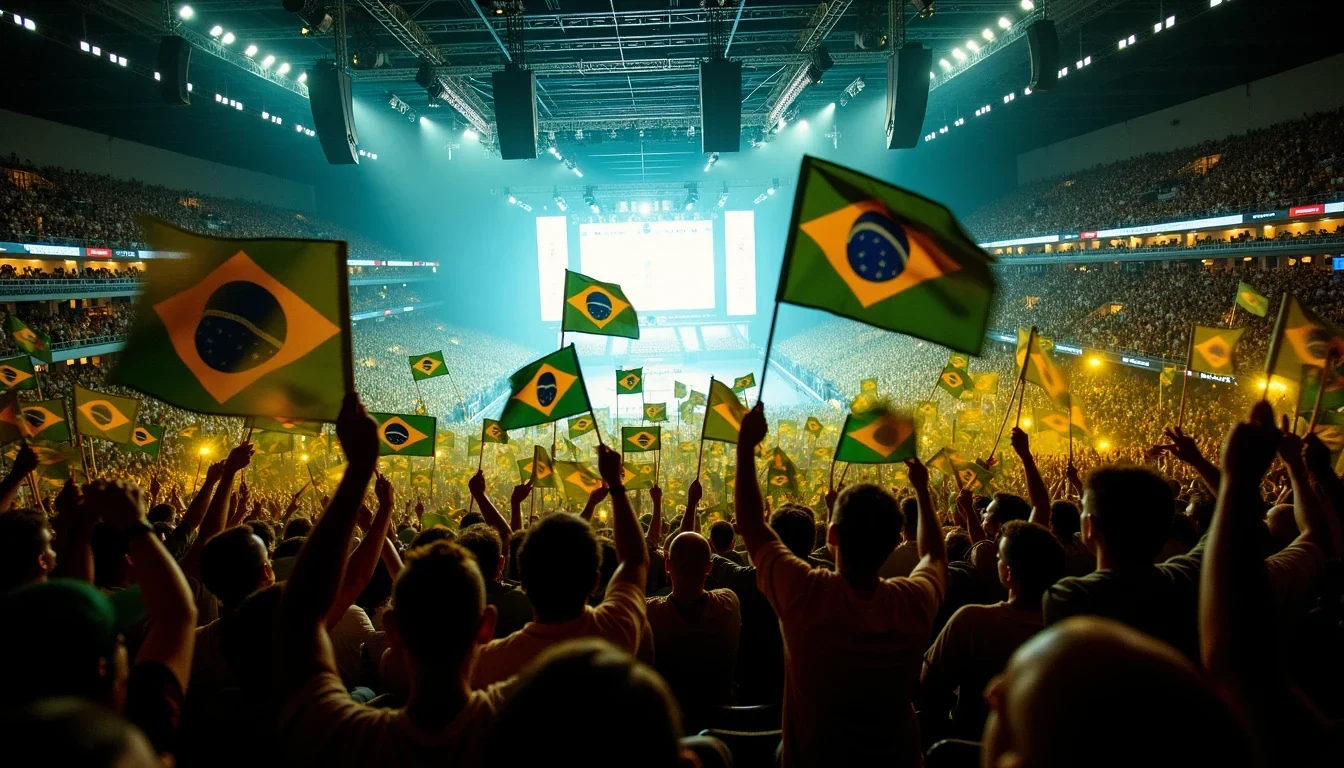
The 2022 IEM Rio Major arrived two years late, and Brazilian Counter-Strike fans made sure everyone felt the wait. When ESL finally confirmed the tournament for October 31 to November 13, 2022, tickets for the Champions Stage at Jeunesse Arena in Barra da Tijuca vanished in under an hour. Twelve days of drumlines, flag waves, and chants followed, loud enough to force tournament administrators into an unusual compromise with competitive integrity.
The Major That Never Was
Brazil was supposed to host its first CS:GO Major in May 2020. ESL had announced a US$2,000,000 prize pool, the largest in the circuit at that time, for an event that would have planted the game’s most prestigious trophy on South American soil for the first time. The COVID-19 pandemic postponed those plans indefinitely. By September 2020, the cancellation was official. Brazilian fans, who had already begun planning travel and accommodations, were left with nothing but a promise that the region would get its shot eventually.
That promise kept for twenty months. ESL announced the rescheduled Rio Major in May 2022, though the prize pool had been trimmed to US$1,250,000. The dates were fixed for late autumn, when Rio’s weather settles into warm, dry days that suit arena-hopping between venues. The format split across two locations in Barra da Tijuca: Riocentro, the sprawling convention complex near the Olympic Park, housed the Challengers and Legends stages; Jeunesse Arena, the 15,000-capacity venue built for the 2016 Olympics, hosted the Champions Stage playoffs.
What 100,000 Fans Sound Like
ESL reported over 100,000 attendees across the tournament’s twelve days. Riocentro drew roughly 3,500 fans daily during the early stages, a respectable crowd for group-phase matches that in other regions often play to sparse halls. The real density arrived with the playoffs. Jeunesse Arena packed approximately 14,000 fans into its final four days, and the difference was not merely numerical.
Brazilian esports crowds do not observe quietly. Supporters arrived with drums, with massive flags that blocked sightlines for rows behind them, and with chants borrowed from football terraces and adapted for pixelated gunfights. The atmosphere resembled a Corinthians-Palmeiras derby more than a typical esports event, where audiences often sit in reverent silence broken only by reactionary gasps.
This passion created a practical problem. Crowd noise at Jeunesse Arena grew so intense, and fan reactions so immediate, that ESL briefly removed the radar from arena screens. A sudden roar when a player approached an unspotted enemy, or a collective intake of breath before a grenade landed, could transmit information the players were not supposed to have. The radar blackout was a patch, not a solution, and it acknowledged something few tournaments have faced: fans so engaged they became an active variable in the game.
FURIA and the Semifinal That Stopped the Country
The emotional center of the tournament was never in doubt. FURIA, the São Paulo-based organization with the most recognizable brand in Brazilian Counter-Strike, carried the weight of national expectation through their playoff run. Their semifinal against Heroic on November 12 became the defining match of the Major regardless of what followed.
The series went to three maps. FURIA took the first, lost the second, and collapsed on the decider. Heroic’s 2-1 victory ended Brazilian hopes of a home-soil championship and sent FURIA to a 3rd-4th place finish worth US$80,000. The Jeunesse Arena crowd, which had been deafening for two days straight, went through the familiar arc of sports grief: disbelief, then anger, then the hollow applause of recognition that the better team had won.
For context on how Brazilian teams fared overall: Imperial, the other prominent domestic squad, exited without a single map win, going 0-3 in the Challengers Stage. FURIA’s run was the lone bright spot in a tournament where local talent never threatened the title.
The Empty Seats Nobody Wanted to Discuss
The crowd’s intensity had a flip side that became visible during matches without Brazilian participation. Jeunesse Arena, sold out within an hour for FURIA’s appearances, showed conspicuous gaps when two foreign teams faced each other. The contrast sparked an uncomfortable conversation about what Brazilian esports fandom actually sustains.
One interpretation held that this was natural and unremarkable: fans attend to support their own, and without a rooting interest, they stay home. The other, more troubling for tournament organizers, suggested that Brazilian esports audiences had not yet developed the habit of watching Counter-Strike as a sport in itself, independent of national attachment. This limits what organizers can schedule and what sponsors will pay for future events.
The debate never resolved during the tournament itself. ESL’s post-event messaging emphasized the aggregate numbers, the 100,000 total attendees, the near-instant sellouts. The half-empty sections during, say, a Heroic-Outsiders matchup went largely unaddressed in official communications.
An Unusual Final and Its Aftermath
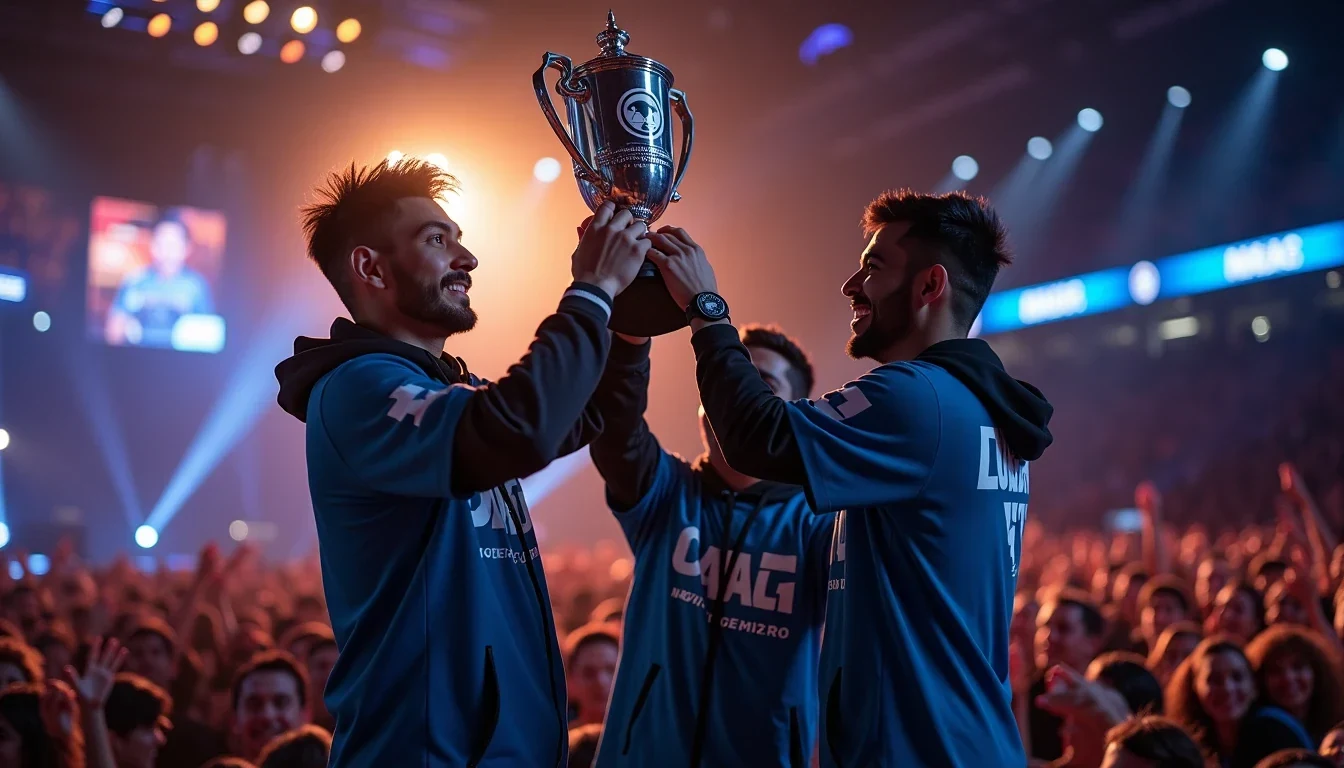
The grand final on November 13, 2022, produced a first in Major history. Outsiders, the neutral-name banner under which Virtus.pro competed, defeated Heroic 2-0 in a match that was not the tournament’s most-watched online. FURIA’s semifinal drew more concurrent viewers than the championship decider. The peak online audience across the entire event reached approximately 1,400,000 viewers, with over 68 million hours watched in total, according to Esports Charts figures distributed by ESL.
Jame, Outsiders’ methodical AWPer, took tournament MVP. His team collected the largest share of the reduced prize pool. The neutral name requirement for Virtus.pro, stemming from broader esports sanctions following Russia’s invasion of Ukraine, rated a single factual mention in coverage and little discussion on the ground in Rio. The crowd’s attention had already shifted.
ESL’s response to the event came quickly. Within weeks of the Major’s conclusion, the organizer confirmed it would return to Brazil in 2023 with an IEM event, citing the “thunderdome” atmosphere and the demonstrated appetite for live esports in the region. The 2022 Major’s legacy, then, was less about who won than about what the fortnight proved: that Brazilian fans would fill a stadium, that their energy could reshape how tournaments are administered, and that the country’s place on the global esports calendar was no longer provisional.
For visitors considering a Brazilian esports event, the practical lessons are clear. Buy tickets the moment they release. Expect noise levels that require earplugs. Anticipate that the crowd will be the main character regardless of what happens on screen. Understand that the experience peaks when Brazilian teams are winning, but the structure of the sport means they often will not be. The arena does not empty entirely when that happens, but it thins. The thunderdome, it turns out, is conditional.