Football
Brazil's Biggest Football Derbies and How to Watch Them
Brazilian football derbies are intense cultural events. Visitors must learn about local rules and new entry technology to experience iconic matches like.
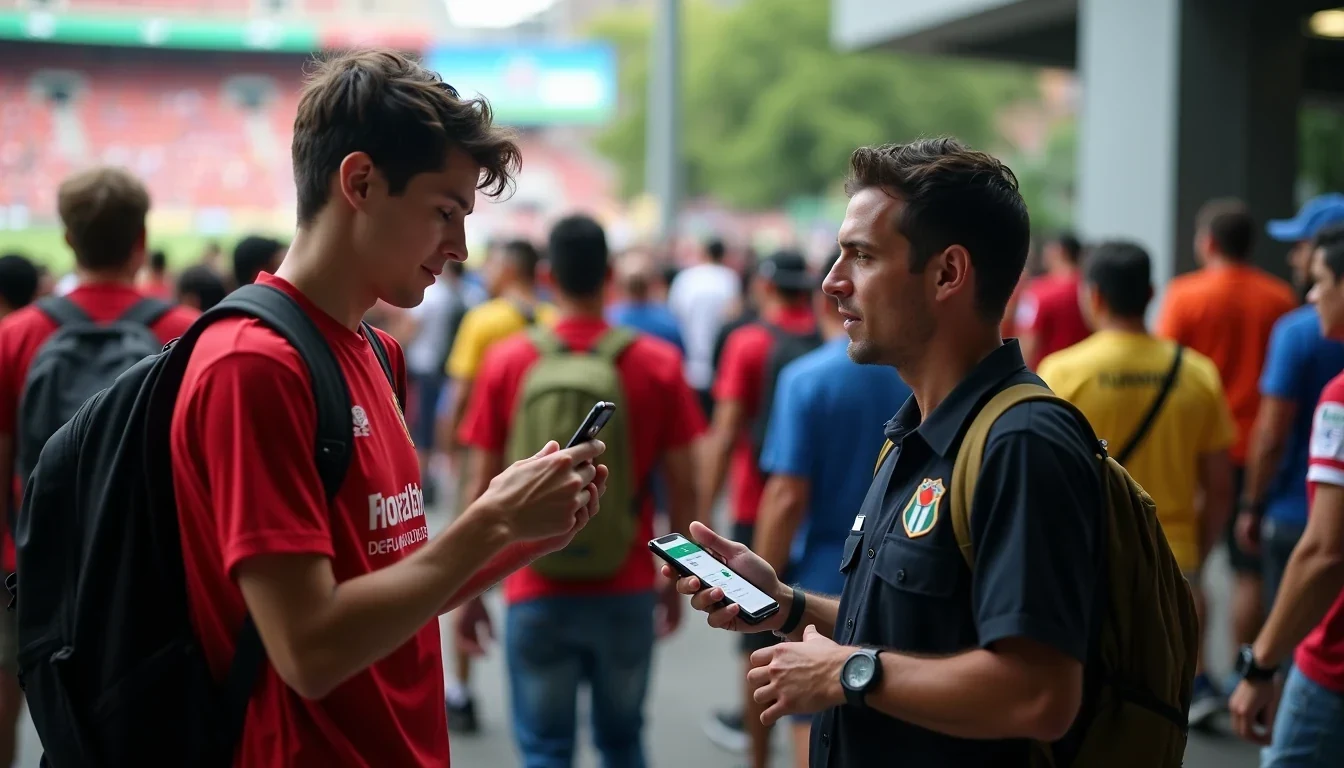
Seven million people pack into Brazilian stadiums every year, but the matches they come for are rarely ordinary league fixtures. The clássicos, derbies between clubs that share a city and a century of grievance, shape calendars, split families, and turn public transport into a sea of one color or another. For a visitor, they are also the hardest tickets to use well. Rules shift by city, entry technology is new, and the atmosphere rewards preparation. This is what to know before you join them.
Where the oldest derby name lives in Rio de Janeiro
The Fla-Flu between Flamengo and Fluminense carries the oldest named derby title in Brazilian football. Their first meeting ran on 7 July 1912 at Laranjeiras, with Fluminense taking a 3-2 win. Twenty-one years later, journalist Mário Filho fixed the shorthand “Fla-Flu” in the public mind. The stadium that now carries his full name, the Estádio Jornalista Mário Filho, is the Maracanã, and it remains the natural home for this fixture when scale demands it.
Rio’s other derbies hold their own weight. Vasco da Gama against Flamengo, the Clássico dos Milhões, draws on the social history of both clubs. Botafogo against Flamengo, the Clássico da Rivalidade, predates most living fans’ memories. None carries the journalistic pedigree of the Fla-Flu name, so that match still surfaces first in searches and in conversation.
Four clubs, six derbies, one crowd in São Paulo
No Brazilian city matches São Paulo for the density of top-tier rivalries. Four clubs with national scale, Corinthians, Palmeiras, São Paulo FC, and Santos, generate six pairwise derbies, three of which dominate the calendar.
The Majestoso pairs Corinthians against São Paulo FC. The Derby Paulista, the state’s foundational clash, sets Corinthians against Palmeiras. The Choque-Rei, Palmeiras against São Paulo FC, earned its nickname from Tomaz Mazzoni at A Gazeta Esportiva in the 1940s, a reference to the perceived royal status of both clubs. Their first meeting finished 2-2 on 30 March 1930.
Since April 2016, all of these fixtures have operated under torcida única, the one-crowd rule. State prosecutors imposed the measure after clashes between Corinthians and Palmeiras supporters, and it has been renewed season by season. A February 2026 proposal suggests phasing it out. Anyone planning a São Paulo derby should confirm the rule for their specific match as of 2026, because the policy could change mid-year.
Porto Alegre, Belo Horizonte, Salvador
The Grenal in Porto Alegre, Grêmio against Internacional, is routinely cited as the most intense derby in South America by those who have attended all of them. The city divides cleanly by color, red for Inter, blue and black for Grêmio, and the fixture rarely needs national stakes to fill the Beira-Rio or the Arena do Grêmio.
Belo Horizonte’s Clássico Mineiro shifted ground in 2023 when Atlético Mineiro opened Arena MRV, capacity approximately 46,000, in the Califórnia neighborhood. Cruzeiro remains at the Mineirão, meaning the derby now crosses stadiums as well as loyalties. Travel between venues is manageable, but the split home advantage is a genuine structural change.
Salvador’s Ba-Vi, Bahia against Vitória, dominates the state’s football calendar. Both clubs have spent recent years between Série A and B, but the fixture loses nothing in intensity. The Fonte Nova hosts most editions, and the city center location means the pre-match concentration is visible hours before kickoff.
Tickets, prices, and the face you need to register
The 2026 Brasileirão manual sets a concrete limit on visiting fans: their ticket cannot cost more than double the cheapest home ticket. This applies to derbies where away fans are permitted, which excludes São Paulo fixtures under current torcida única rules but governs Rio, Porto Alegre, Belo Horizonte, and Salvador.
For every attendee, the Lei Geral do Esporte, Lei 14.597/2023, article 148, mandates facial recognition entry at stadiums with 20,000 seats or more. The requirement took force in June 2025. Registration must happen before match day through the club or stadium platform. The process is not optional, and gate staff will turn away anyone who has not completed it. International visitors should use their passport details and photograph; Brazilians should use their RG. The system is live at the Maracanã, Arena MRV, Mineirão, Fonte Nova, and both Porto Alegre stadiums.
Tickets themselves sell through official club sites, authorized platforms, and physical outlets. For derbies, the online release is typically the only practical route, with queue systems common. Prices vary by section and by club, but the 2026 cap gives a reference point: if the cheapest home seat is R$ 60, the away allocation tops out at R$ 120.
A practical checklist for derby day
Arrive two to three hours before kickoff. Facial recognition queues, security screening, and the simple density of people near any Brazilian stadium all consume time. The pre-match atmosphere is worth experiencing deliberately, not through a rush.
Check your ticket section against the stadium map before leaving. Brazilian grounds use directional naming, Leste, Oeste, Norte, Sul, or numbered arquibancada sections. Entering the wrong gate is a common error that costs twenty minutes of backtracking.
Wear the home team’s colors if attending under torcida única in São Paulo. Elsewhere, neutral clothing is the safer choice for transport and for any mixed-zone walking. Inside the stadium, colors declare allegiance clearly.
Use the metro or dedicated bus corridors where they exist. The Maracanã has a dedicated MetrôRio station. Arena MRV is served by the Belo Horizonte metro with a walk. The Beira-Rio and Arena do Grêmio both have bus priority lanes on match days. Driving means parking several blocks away and walking through crowds that know your team by your shirt.
Carry minimal belongings. Bags larger than a small cross-body pack are routinely refused. Umbrellas, glass bottles, and flagpoles are prohibited at all major grounds. Water is available inside at inflated prices, so hydrate beforehand.
Check the specific rule for your match in São Paulo as of 2026. The torcida única policy has been static for nine years, but the February 2026 proposal to end it means the situation could change during the season you visit. Club websites and the São Paulo state prosecutor’s office publish the current season’s authorization. Do not assume based on last year’s experience or on general advice.