Stories
Ilha Da Queimada Grande The True Story Of Brazil's Snake Island
Ilha da Queimada Grande, Brazil's infamous Snake Island, is home to thousands of deadly golden lanceheads, making it Earth's densest snake population.
The first lie about Ilha da Queimada Grande is the number everyone repeats: 430,000 snakes on a scrap of Atlantic rock barely large enough to park a favela. Do the maths, and you get 10,000 snakes per hectare, a writhing carpet of venom from cliff to cliff. The real figure, pinned down by a 2008 survey from researchers Marcio Martins, Ricardo Sawaya, and Otavio Marques, sits between 2,000 and 4,000 golden lanceheads. This is still the densest snake population on earth by area. It is still enough to kill you in hours without antivenom. The truth does not need inflation.
The island that fire built
Queimada Grande rises 206 meters from the Atlantic roughly 33 kilometers off Itanhaém, São Paulo state. Its name carries the memory of human defeat. “Queimada” means burnt, and settlers once set the island alight trying to clear it for use. The snakes survived. The agriculture did not. The fire failed, the name stuck, and the island returned to what it had been: a 43-hectare fortress of endemic life.
The golden lancehead, Bothrops insularis, evolved here alone. Rising seas cut the island off, separating the snake from mainland relatives. The snake adapted to a menu with no mammals. Migrating birds became the only reliable calories. Natural selection favored venom that works very fast because a bird bitten in the foot can still fly. The result is a cocktail of hemotoxins and neurotoxins that liquefies tissue and paralyzes nerves simultaneously. There is no antivenom stockpiled in quantity. A bite means a desperate helicopter evacuation to the mainland and a race against necrosis.
The lighthouse without keepers
The 1909 lighthouse still flashes from the island’s high point, maintained by the Brazilian Navy. Automation arrived in the 1920s, ending any permanent human presence. The internet’s favorite horror story, a keeper and his family trapped and overrun by serpents, has no documented source. It circulates because the island feels like a place where such things happen. The Navy’s maintenance crews land periodically, work quickly, and leave. That is the full extent of human habitation for over a century.
What the law actually says
Since 1985, the island has carried federal protection as the Área de Relevante Interesse Ecológico Ilhas da Queimada Pequena e Queimada Grande. ICMBio, the federal biodiversity institute, manages the land. Landing requires SISBio authorization, and approvals go almost exclusively to researchers studying the lancehead’s genetics, population dynamics, or conservation status. Tourist vessels cannot dock. No beach day. No guided trek. The rules exist to protect the snakes, to protect the humans, and because the ecosystem here is genuinely irreplaceable. The golden lancehead is critically endangered; its entire global range is smaller than most city parks.
How to get close without getting bitten
The legal workaround is the water. Licensed dive and boat operators in Itanhaém and Peruíbe run excursions to the island’s perimeter. These trips get close enough to photograph the cliffs, watch seabirds, and feel the place’s genuine menace without violating federal law. These operators know the no-landing rule and enforce it; their licenses depend on compliance. Prices vary by season and vessel, but expect to pay roughly R$ 400-800 (2025) for a day trip depending on group size and whether diving gear is included.
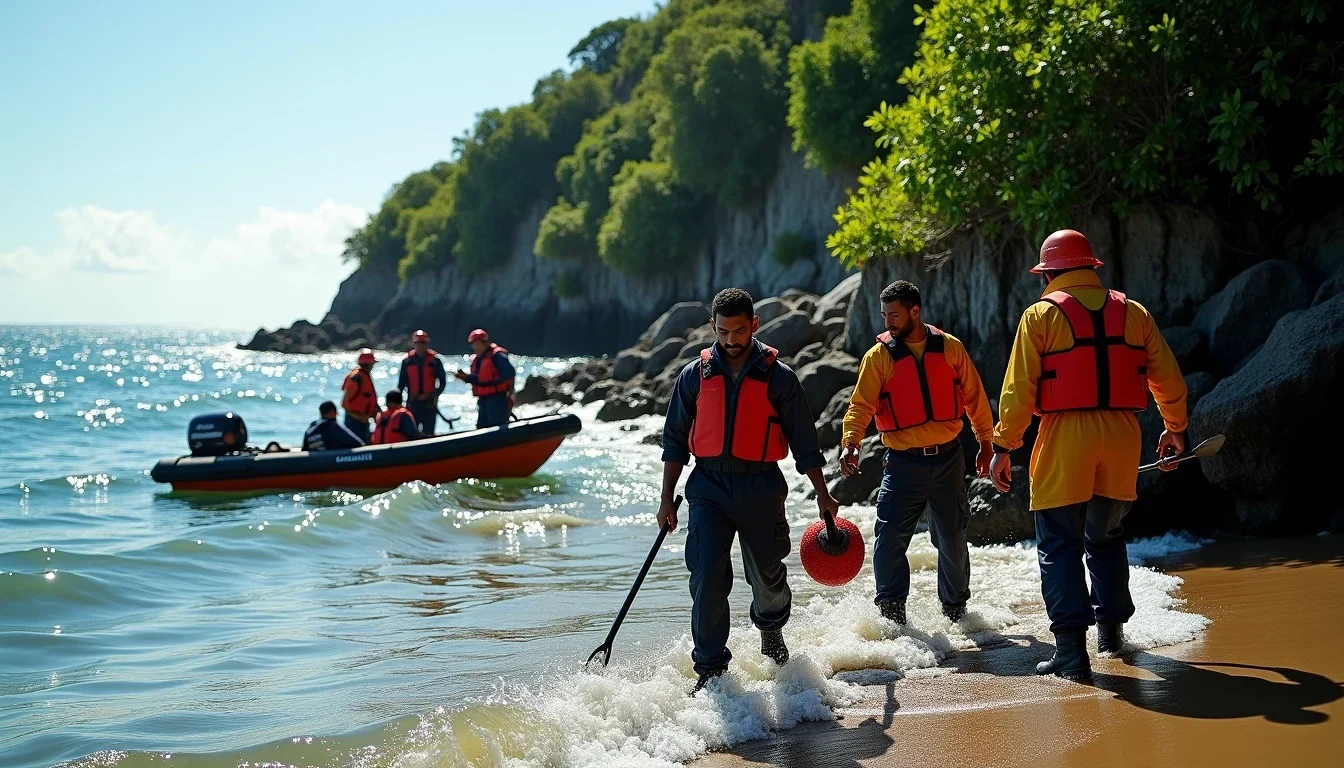
The August 2025 boat disappearance near the island should focus any thrill-seeker’s mind. Conditions shift fast in open Atlantic water. Currents run hard against the rock. The same isolation that made the snakes unique makes rescue complicated. Go with established operators who carry proper safety equipment, check weather forecasts obsessively, and understand that the island’s deadliness extends well beyond its reptiles.
The real snake count
Four thousand golden lanceheads, maximum. One species found nowhere else. Venom evolved for birds, lethal to mammals. A lighthouse automated before most of our grandparents were born. A name born from failed fires. The island does not need embellishment. The facts are already extreme enough to make you pause at the water’s edge, wondering what moves in those cliffs, and whether the boat captain really knows these currents as well as she claims.