Adventure
Pedra Da Gávea Hike And Scramble Guide For Rio Visitors
Discover the intense challenge of Rio's Pedra da Gávea hike, including the notorious 35-meter Carrasqueira rock climb, for an unforgettable summit panorama.
Rio has dozens of trails that end with an ocean view. Only one, Pedra da Gávea, makes you earn it with 35 meters of vertical granite and the very real chance of turning back. The 844-meter headland, wedged between São Conrado and Barra da Tijuca, is the city’s most serious day hike. The summit panorama takes in Pedra Bonita, the hang-glider ramp, the full sweep of Barra, and the Zona Sul skyline. First you have to survive the Carrasqueira.
What the Carrasqueira Actually Demands
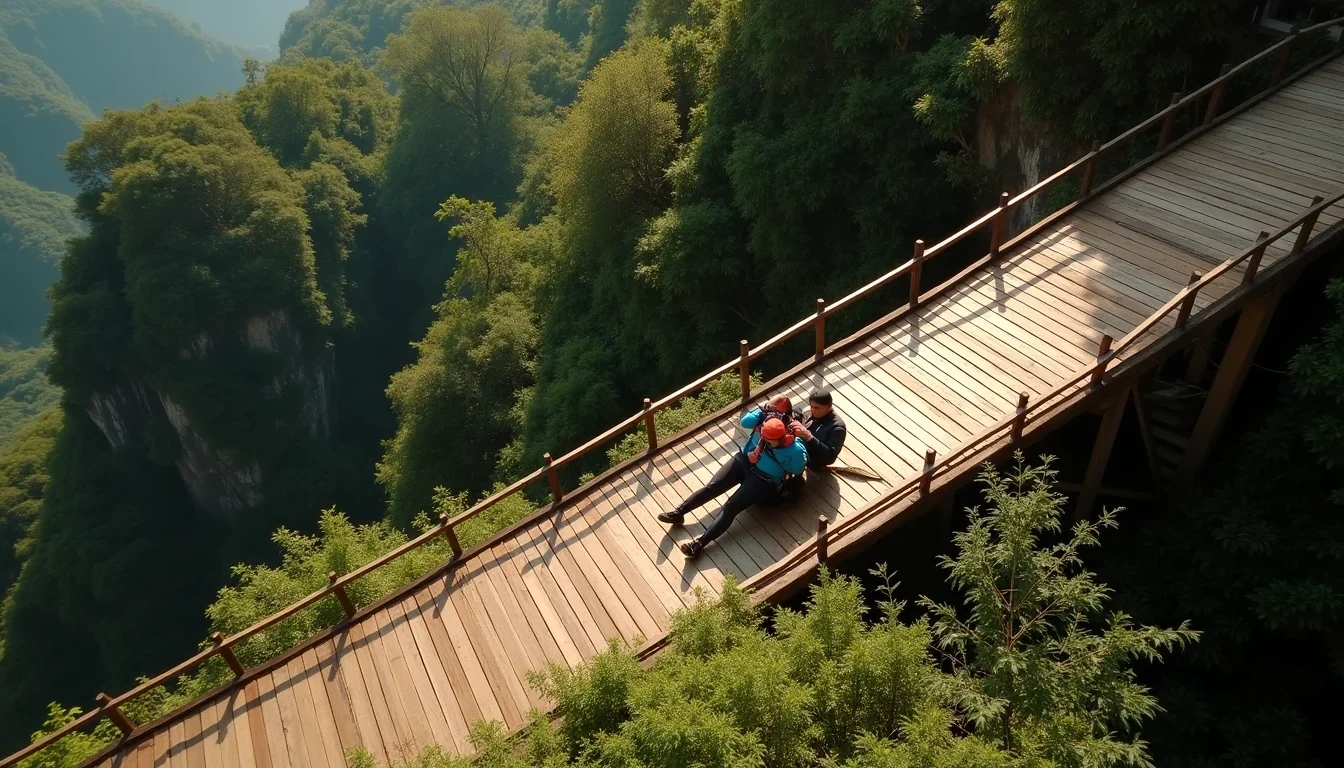
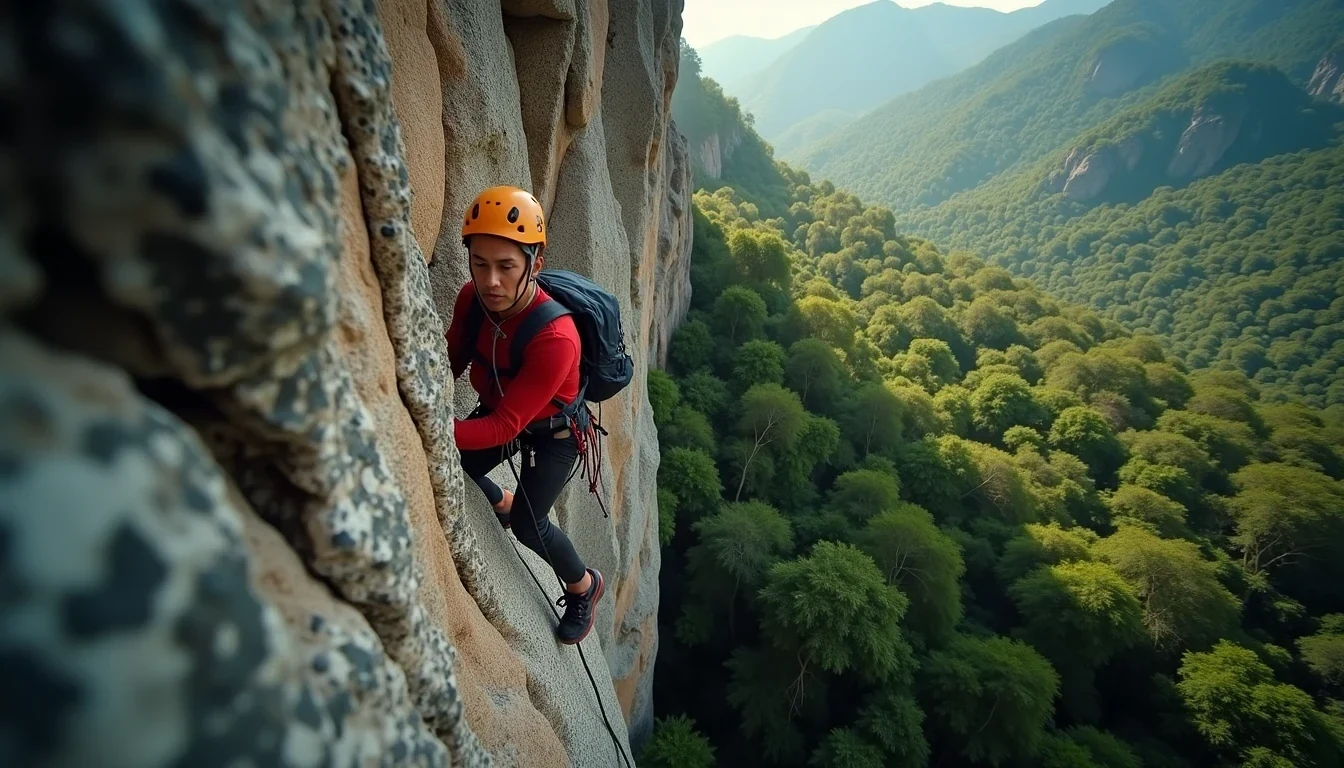
The Carrasqueira is not a “scramble” in the polite sense of the word. It is a near-vertical rock section where the trail simply stops being a trail. For 35 meters you climb hand over hand on exposed granite, often pulling on a fixed rope that may or may not be in good condition depending on when the last maintenance crew visited. The exposure is total: look down and you see canopy, then air. The psychological barrier hits harder than the physical one for many hikers. Your legs shake, your grip tires, and the rope burns if you grip it wrong.
This single section makes Pedra da Gávea more difficult than every other Rio hike. Corcovado is a paved road. Pedra Bonita is a stroll. The Tijuca Peak circuit is aerobic but never technical. Only the Carrasqueira forces you to transition from hiker to climber mid-route, with no retreat that does not involve down-climbing the same exposed face you just came up.
The reward, when you clear it, is immediate: the first unobstructed views open to the south and west, and the summit proper is now only 20 minutes of walking away.
Route Facts and Park Logistics
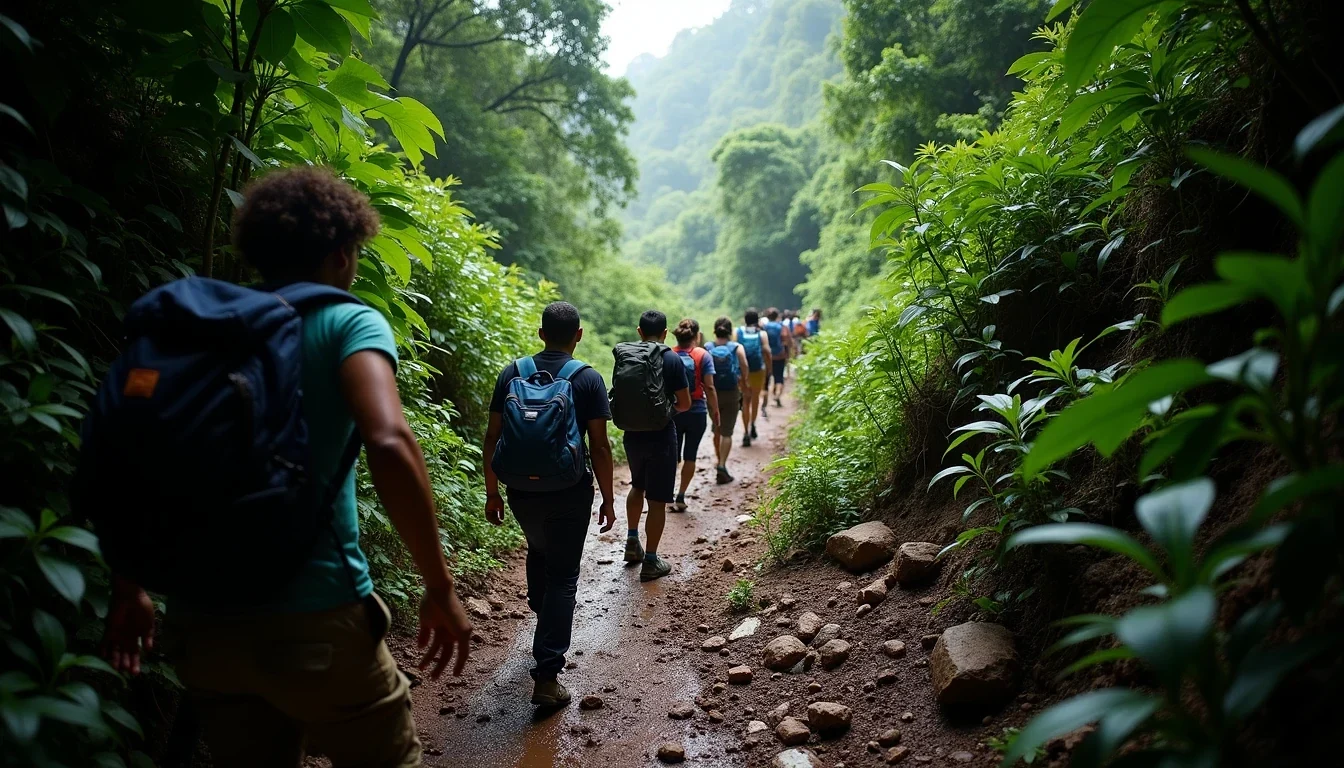
The trailhead sits on the Barra side in Sector C of Parque Nacional da Tijuca. The round trip measures 5.2 kilometers with roughly 750 meters of elevation gain. Most fit hikers need four to five hours return, though groups move at the pace of their slowest member on the descent.
Park gates operate 8:00 to 18:00. Arrive after 14:00 and staff will turn you back. ICMBio, the federal agency managing the park, enforces the cutoff strictly. Rescues after dark are complicated and dangerous, and the Corpo de Bombeiros already spends enough time on this mountain. Entry is free. Camping is prohibited everywhere on the route; people have tried.
The alternative Pico dos Quatro route avoids the Carrasqueira entirely. It is longer, less direct, and trades technical exposure for additional kilometers of steep walking. Most hikers who choose it are either returning for a second ascent or were spooked by the main route’s reputation. Either path reaches the same summit. Both share the same descent problem.
Why Descent Is the Real Test
Gravity does not negotiate. The down-climb of the Carrasqueira strains quadriceps and tests concentration in ways the ascent does not. Footholds you found easily on the way up disappear from view when you face outward. The fixed rope, if you trust it, now pulls you forward rather than steadying your back. Joints absorb impact. Fatigue accumulates. Slips happen here more often than on the climb.
This pattern, common to technical hiking worldwide, is pronounced on Pedra da Gávea. The rock stays wet for hours after rain, and many hikers start too late and rush the return. The 14:00 cutoff exists specifically to prevent this. Ignore it and you risk a night descent or a Bombeiros call-out.
The Rescue Statistics and What They Mean
Rio’s Corpo de Bombeiros reports Pedra da Gávea as the city’s most rescued trail, with operations sometimes running weekly. The causes are predictable: fog that drops visibility to zero, wet rock after overnight rain, summer heat that dehydrates hikers carrying insufficient water, and the cascading errors of groups who start late, move slowly, and panic on the descent.
Rescue operations are themselves constrained by weather and daylight. Helicopters cannot fly in dense cloud. Ground teams move slowly on the same technical terrain that trapped the original hikers. The Bombeiros will come for you, but they would prefer not to have to.
Trailhead theft adds a non-environmental hazard. Cars parked near the Sector C entrance have been targeted. Leave nothing visible inside, arrive in daylight, and keep valuables on your person rather than in a pack left at the trailhead.
When to Hire a Guide
Guides are not legally required for Pedra da Gávea. They are strongly recommended for first-timers, for anyone without prior scrambling experience, and for visitors unfamiliar with Rio’s rapid weather shifts. A qualified guide provides route-finding, pace management, and the critical safety equipment most independent hikers do not carry: harness, helmet, and a proper rope for the Carrasqueira section rather than the fixed line of unknown vintage.
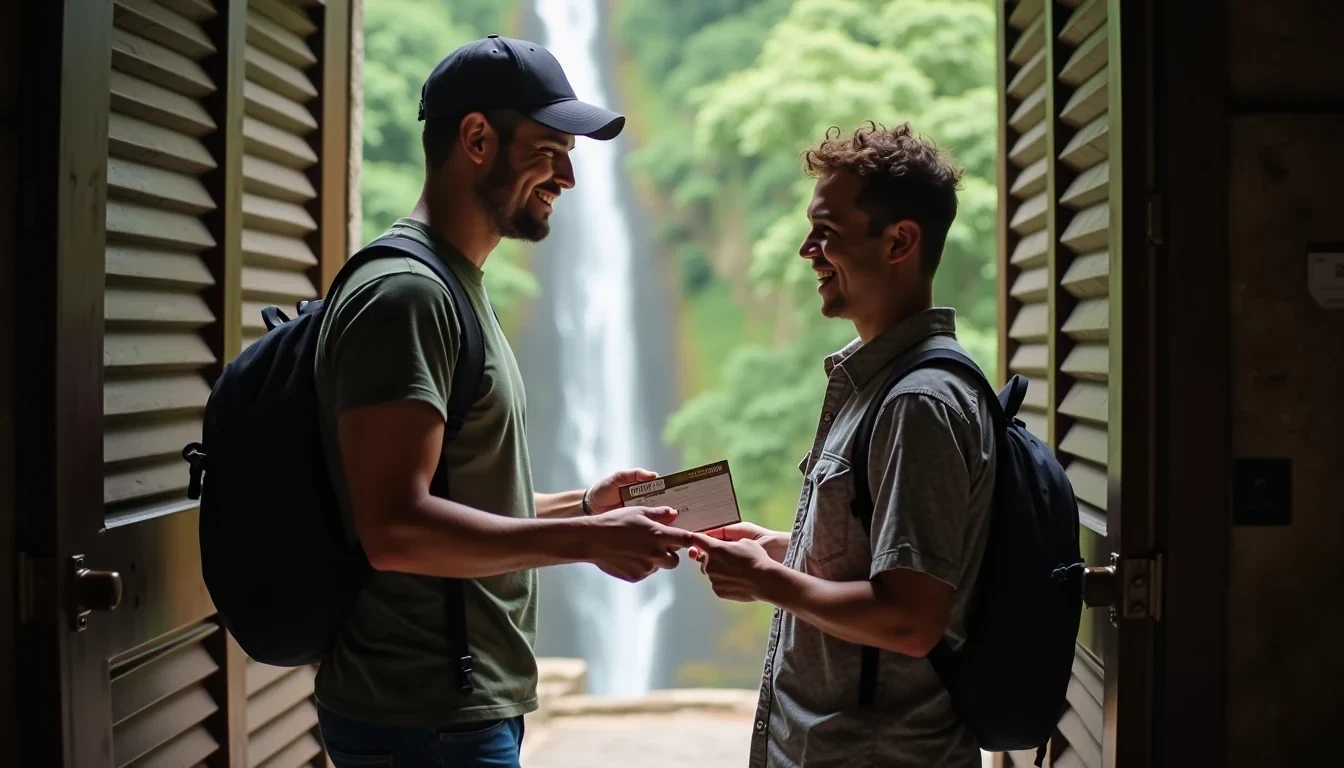
The non-negotiable credential is Cadastur registration. Cadastur is Brazil’s official tourism provider registry, maintained by the Ministry of Tourism. It verifies that an operator carries proper insurance, meets training standards, and is legally authorized to guide on federal land. Unregistered guides operate in a grey zone, so your recourse is limited if something goes wrong. Check the registration number on the Cadastur website before booking. Reputable operators display it prominently.
Guided trips typically run R$ 250-450 per person (2024 pricing), depending on group size and whether transport from Zona Sul is included. Private guiding pushes higher. The cost covers equipment, park coordination, and the guide’s liability coverage. For a trail that leads city rescue statistics, this is not the place to optimize for the cheapest option.
Weather, Gear, and Preparation
The dry season, roughly May through September, offers the most reliable conditions. Even then, morning fog is common and can persist until 10:00 or later. Summer brings afternoon thunderstorms, extreme humidity, and temperatures above 35°C on exposed rock. Check ICMBio’s daily status before leaving; the park closes sections after heavy rain.
Minimum gear includes 2.5 liters of water per person, sun protection, grippy-soled shoes with toe coverage (trail runners suffice; sandals do not), a light wind layer for the summit, and a headlamp in case of delay. A basic first-aid kit with blister supplies and an emergency whistle is standard practice. Rope skills are useful; a short prusik loop can back up your grip on the fixed line if you know how to use it.
The Myths on the Mountain
Pedra da Gávea carries two persistent legends that outlast any number of debunkings. The first is the “face”: a weathered granite profile visible from certain angles in Barra da Tijuca, variously interpreted as a carved monument or natural pareidolia. Geologists have identified it as differential erosion on a horizontal intrusion. The interpretation wars continue.
The second is the alleged Phoenician inscription, a set of markings near the summit that a Brazilian priest claimed in the 1950s proved pre-Columbian Mediterranean contact. Archaeologists have since demonstrated the marks are 19th-century quarrying signatures mixed with natural fractures. The story persists in guidebooks and Instagram captions because it is more interesting than the truth. You will likely see hikers searching for the “inscription” near the top. The summit itself, 844 meters above sea level, is the actual reward.
Getting There and Getting Back
The Sector C trailhead is accessible by car or rideshare from Barra da Tijuca, roughly 20 minutes from the beachfront neighborhoods. From Zona Sul, the drive crosses 30-45 minutes of traffic depending on the hour. Public transport is possible but convoluted: bus to Barra, then a second connection toward São Conrado, then a walk on unpaved road. Most guided trips include pickup.
After the hike, the nearest substantial food and drink is in Barra’s beachfront strip, 10-15 minutes by car. São Conrado’s smaller commercial area is closer but closes earlier. Plan for a late lunch; you will have earned it.
Pedra da Gávea is not a hike to “tick off” on a Rio itinerary. It is a genuine mountaineering objective in an urban setting, with consequences that match the exposure. The views from the top are unmatched. The Carrasqueira ensures you have paid for them.