Basketball
Youth Basketball Pathways In Brazil For Aspiring Players
Brazil's youth basketball system guides players from early ages to professional leagues, but parents must understand its complex network of programs, clubs.
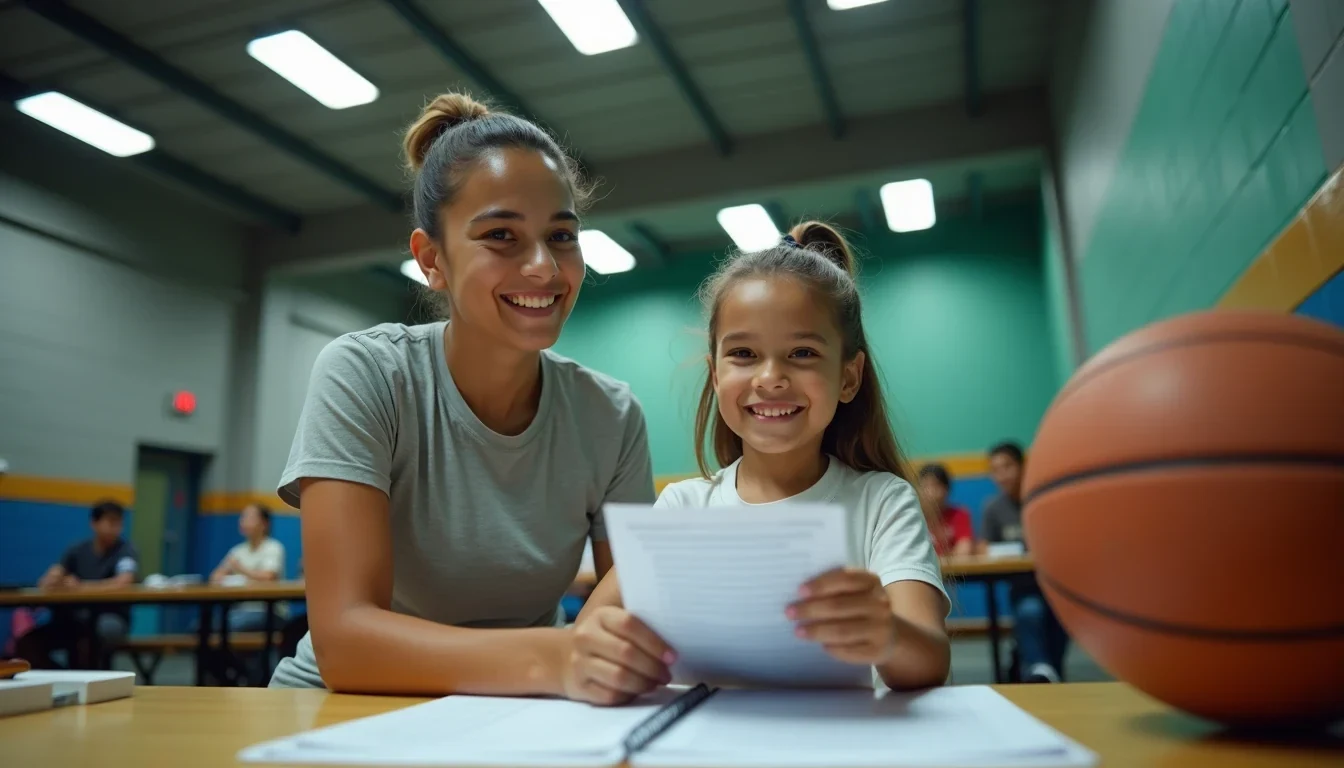
Brazil builds its professional basketball players through a funnel that starts in municipal gyms and ends in the Liga de Desenvolvimento de Basquete. A child can hold a rubber ball at age six in a Sesc court in Santos, play for a school team at twelve, and by twenty-one attract interest from a Novo Basquete Brasil club. The path is public, mapped and largely free at the base, yet most parents still search “como colocar meu filho no basquete” without knowing which doorway requires a federation card and which is just a weekend activity.
The system is less a single ladder than a set of overlapping stairs. School programmes, Sesc courts, private clubs, NBA camps and state federations all feed the same pipeline. Each step demands a different form, a different age cut-off and a different level of parental bureaucracy. Missing a registration window in February can mean sitting out the entire FPB calendar. Here is how the pieces fit together, from the first bounce to the under-22 league.
The First Bounce
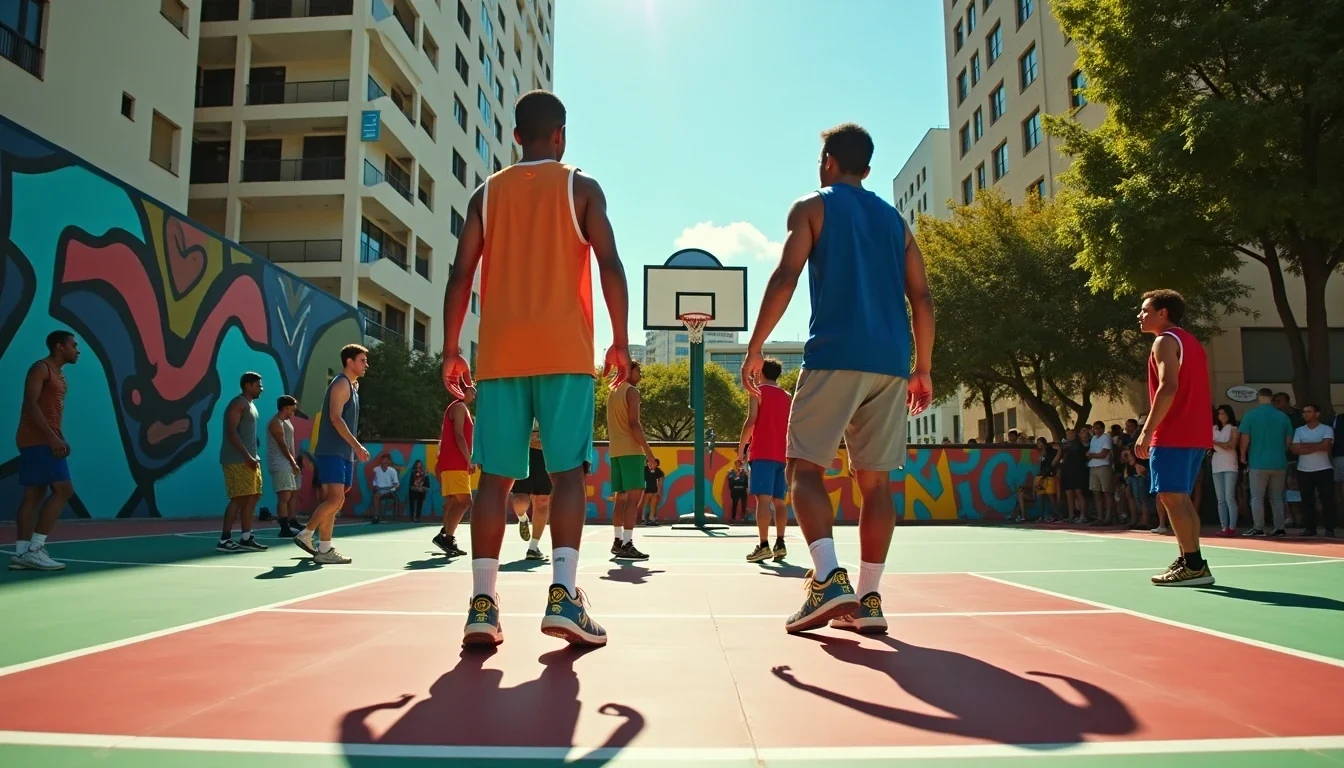
Most Brazilian players start between six and ten years old in a space that does not ask for a medical form or a monthly fee. School physical education classes in both public and private networks introduce the ball, the lane and the three-second rule during regular hours. After class, municipal sports secretariats in districts like Santo Amaro in São Paulo or Madureira in Rio de Janeiro open public gyms for supervised pickup and drills. Sesc units, which require only a modest membership or sometimes none at all, run structured sessions that separate seven-year-olds from ten-year-olds by height rather than talent. At this level the scoreboard stays off. Coaches look for footwork, passing and the willingness to run back on defence. Parents should bring the child twice a week for three months before deciding whether the interest is real or seasonal.
Federated Clubs and the São Paulo Calendar
Crossing into federated basketball means joining a club that pays dues to a state federation. In São Paulo, the Federação Paulista de Basquete governs the official calendar. The Greater São Paulo tournament covers under-12, under-13, under-14 and under-15 brackets. The state championship adds under-16 and under-17, plus an under-19 division. Standout under-15 athletes become eligible for the São Paulo state selection, which faces other states in national festivals. Traditional clubs such as Esporte Clube Pinheiros, Paulistano and Corinthians field teams in every bracket, but smaller neighbourhood associations also compete if they meet facility standards. Before a player steps onto the court for an official game, the club must register him or her with the FPB and issue a temporary or annual federation card. Without that card, minutes do not count and scouts cannot invite the player to higher levels. Parents should request the card number and verify it on the federation website before the first tip-off.
NBA Programmes on Brazilian Courts
The NBA runs its own recruitment and education layer above the municipal floor. Jr. NBA’s first São Paulo league, in 2017, drew thirty schools and players aged twelve to fourteen. Organisers held a draft combine and assigned participants to teams named after the thirty NBA franchises, complete with replica jerseys and a regular season. The format treated teenagers like professionals while keeping the hoop at three metres and the bus rides short. As of 2026, NBA Basketball School operates in more than two hundred and twenty Brazilian schools and reaches over sixteen thousand children, according to an NBA executive. In São Paulo, the NBA camp structure splits into a Kids Experience for ages six to eleven and separate boys’ and girls’ camps for ages eleven to seventeen. These sessions do not replace federation basketball, but they add exposure to NBA coaching terminology and drill pace. A child can attend both the NBA camp on a Saturday morning and the club practice on Tuesday evening without conflict.
Trials and the Next Gen Clinic
“Peneira” is the word that keeps teenage players awake. Clubs announce open try-outs on Instagram and official sites, usually twice a year, testing vertical jump, shuttle runs, spot shooting and five-on-five scrimmages. Preparation is simple but specific: arrive thirty minutes early with a printed medical clearance, water and indoor shoes, because outdoor soles are banned in most municipal gyms. The Next Gen Clinic run by NBA Basketball School in 2026 accepted only those born in 2011 or 2012. It held regional sessions in Franca at the Pedrocão arena, Caxias do Sul, Curitiba, Belo Horizonte, Rio de Janeiro and São Paulo, taking up to one hundred and sixty participants in each city. Federated and non-federated players could both enter, which helps children who started late or missed the club registration window. São Paulo hosted the final on 19 September 2026. Parents who want a shot at the 2027 edition should start checking the NBA Basketball School Brasil social channels in March, because registration typically opens four months before the first ball screen.
The LDB and the Jump to the NBB
The Liga de Desenvolvimento de Basquete opened in 2011 as the final youth runway into the Novo Basquete Brasil. Linked directly to the Liga Nacional de Basquete, the LDB operates under professional referees, broadcast cameras and travel budgets. Its age limit has drifted between under-20 and under-22 over the years. As of 2026, the ceiling is under-22. Most rosters belong to NBB parent clubs, so a twenty-year-old forward for an NBB club’s LDB side might practice against the senior squad the same week. That proximity is the point. The LDB does not promise a professional contract, but it is the only domestic league where a teenager faces national opposition under pro conditions. Scouts from NBB teams attend every final phase, and the statistics sheet goes into the same database used for senior drafts. A player who averages a double-double here is a tracked prospect. For a family mapping the journey, the LDB is the last signpost before the salary.
What Parents Should Ask
Before signing any club form, parents should ask four questions. First, does the monthly fee cover only training, or does it include federation registration, insurance and transport to away tournaments? Some clubs charge separately for the FPB card and the team jersey. Second, is the child already registered with the state federation? Without that registration, the player is ineligible for official youth championships and cannot be called to state selections. Third, how does the club handle school absences for midweek games? Brazilian legislation protects student-athletes, but the protection only works if the school principal signs a consent form before the season starts. Fourth, visit an ordinary practice unannounced. Watch whether the under-13 group shares two hoops with the under-17 group or runs a full-court practice with dedicated coaches. The answer reveals whether the club treats youth basketball as a development pipeline or as a membership perk. If the coach cannot name the next tournament on the calendar, you are paying for exercise, not sport.