Basketball
LBF Basquete Feminino Brazil Women's Basketball Guide
Brazil's Liga de Basquete Feminino packs its entire season into a few months, crowning a champion swiftly under a unique club-administered model since 2010.
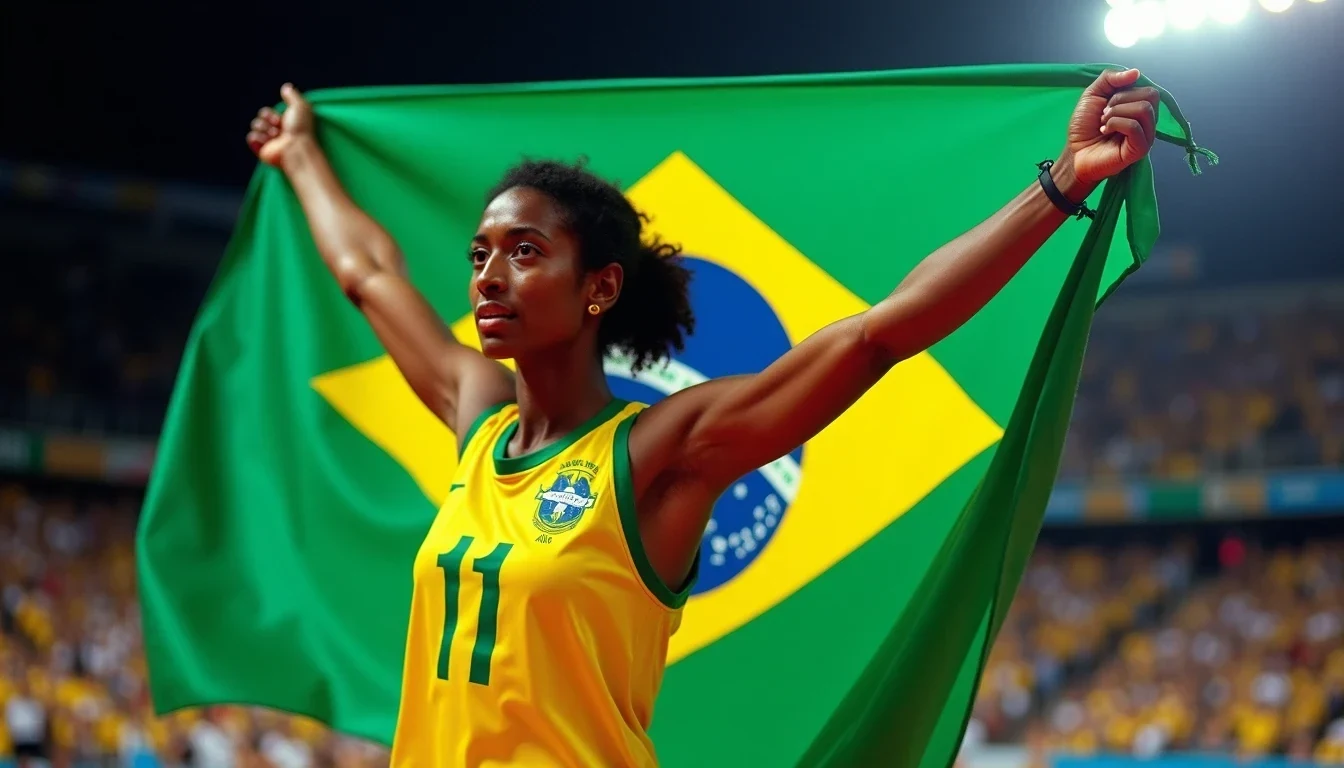
Brazil’s women’s basketball championship is decided in the time most leagues take to find their rhythm. The Liga de Basquete Feminino compresses an entire season into a few mid-year months, runs a playoff bracket, and crowns a champion before the European clubs have even finished their preseason friendlies. Brazil won the 1994 FIBA World Championship and still feeds players to national team rosters, so the compressed schedule is either a bug or a feature. The clubs that have thrived in it treat intensity as the point.
How the LBF began and who runs it
The league formed in May 2010 under a model still rare in Brazilian sport. The clubs themselves administer the competition, with the Confederação Brasileira de Basketball signing off rather than micromanaging. That structure kept the league sustainable and decisions close to the people with money on the line. Santo André won the first edition in 2010/11, beating Ourinhos in a single championship game. The format has evolved since, but the club-led governance remains.
Season structure and the 2026 format
The LBF runs mid-year, and the calendar is tight enough that fans need to check dates each season rather than assume a fixed window. In 2026, eight teams qualified for the playoffs after the regular season. The quarter-finals and semi-finals ran as best-of-three series. The championship round went to best-of-five, a format that tests depth and adjustments more than the shorter early rounds.
Every champion since 2010
| Season | Champion | Notes |
|---|---|---|
| 2010/11 | Santo André | Defeated Ourinhos in one-game final |
| 2011/12 | Americana | First of three titles |
| 2013 | Sport (Recife) | Only title from the Northeast |
| 2013/14 | Americana | |
| 2014/15 | Americana | |
| 2015/16 | Sampaio Basquete | First title |
| 2016/17 | Corinthians/Americana | |
| 2018 | Campinas | |
| 2019 | Sampaio Basquete | Second title |
| 2020 | Cancelled | COVID-19 |
| 2021 | Ituano | |
| 2022 | Sampaio Basquete | Third title |
| 2023 | Sesi Araraquara | First of three straight |
| 2024 | Sesi Araraquara | |
| 2025 | Sesi Araraquara | |
| 2026 | Sampaio Basquete | Fourth title, record |
The clubs that define the league now
Sampaio Basquete from São Luís, Maranhão, sits alone at the top of that list after the 2026 final. The club plays at Ginásio Costa Rodrigues, a venue that has hosted three championship celebrations and now a fourth. Their 2026 run ended with an 81-49 road win over Unimed Campinas on 2 August 2026, closing the series 3-1. Monique took Finals MVP honors, an individual recognition matching the team’s collective statement.
Unimed Campinas, the 2026 runner-up, has been consistent without breaking through to the top of the roll. The club reached the final stage and pushed the series to four games, but Sampaio’s closing performance left little drama in the decisive match.
Sesi Araraquara owned the most recent dynasty before Sampaio’s 2026 reclamation. Three consecutive titles from 2023 to 2025 gave the São Paulo state club a period of dominance that Sampaio’s fourth title only just eclipsed. The back-and-forth between these two programs, one in the interior of São Paulo state and one in the Northeast, has defined the league’s competitive center of gravity.
How to watch and follow a season
TV Brasil broadcast the opening game of the 2026 final, continuing the public television commitment to carrying the league’s highest-profile matchups. For the full schedule, club-specific streams and social media channels fill the gaps that broadcast windows do not cover. The short season means fixture lists compress quickly, so checking official club accounts and the LBF’s own channels mid-year is the only reliable way to track dates. Ticket information for venues like Ginásio Costa Rodrigues in São Luís runs through Sampaio’s direct channels.
From club basketball to the national team
The 1994 World Championship team remains the reference point for Brazilian women’s basketball, the standard every subsequent generation measures itself against. The LBF’s role in reaching that standard is practical. It is the only domestic professional environment where players face consistent high-level competition, refine their games against imported talent and national team peers, and stay visible to selectors between international windows.
The pipeline is not theoretical. Players who appear in LBF playoff series regularly populate Seleção Brasileira rosters for FIBA Americas competitions and World Cup qualifiers. The league’s short season creates challenges, so players sometimes need overseas stints to fill their calendars, but the domestic competition provides the base. Without it, the talent pool would scatter earlier and the national program would rely more heavily on college basketball in the United States or European contracts to develop players who might otherwise never represent Brazil.
The connection to 1994 is not nostalgia for its own sake. That team proved Brazilian women’s basketball could compete at the highest level. The LBF, for all its compressed schedule and limited resources, exists to make that level replicable. Sampaio’s fourth title in 2026, Sesi Araraquara’s three-peat before it, and the competitive final against Unimed Campinas all feed into whether the next World Championship roster has the preparation to do more than participate.