Esports
Brazil's Top Esports Organizations From MIBR To Fluxo
Five Brazilian esports organizations, including MIBR, transformed from competitive gaming teams into influential streetwear brands and cultural icons.
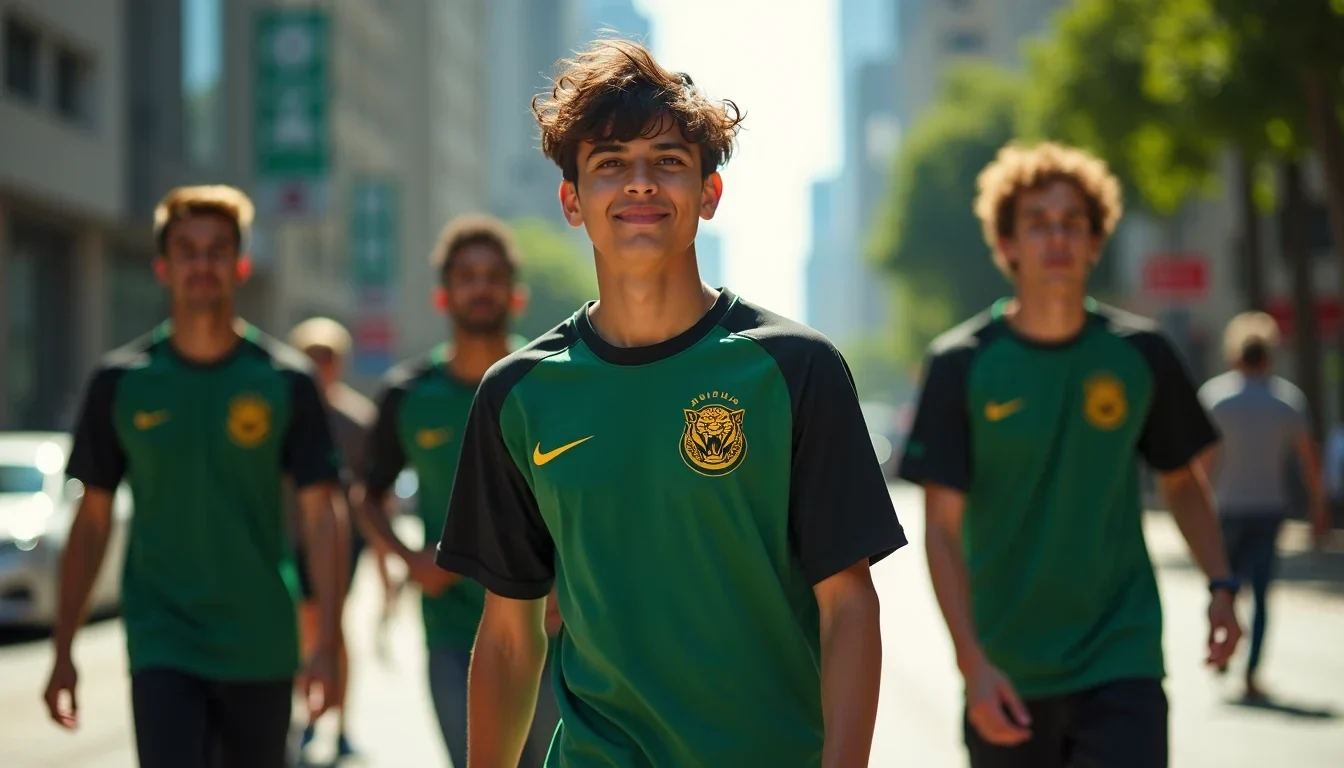
Five Brazilian esports brands have turned pixelated logos into streetwear staples. The jerseys on Avenida Paulista or in the metro at Central do Brasil all trace back to specific founders, games, and years. Visitors wonder why half the teenagers in São Paulo wear the same jaguar patch, and locals pick a side. Here is how each organization started and what it became.
MIBR and the Rio Original That Refused to Stay Dead
Paulo Velloso registered Made in Brazil on 1 March 2003 in Rio de Janeiro. Competitive Counter-Strike then meant LAN houses in Lapa and prize pools that barely covered bus fare. The team built a global reputation in CS 1.6. It dissolved in 2012 when the scene contracted, then sat dormant for six years. Immortals, a North American organization, purchased the brand in January 2018 and resurrected it. The revived MIBR competed in Counter-Strike: Global Offensive, then secured a partnership slot in Valorant’s Americas League in 2023. Spun Midia, a Brazilian media group, acquired the organization in October 2025. Through each ownership change, the green-and-black logo and the Rio origin story remained the selling point for merchandise and fan loyalty.
paiN Gaming and the Player Who Built a League of Legends Institution
Arthur Zarzur, known in competitive circles as PAADA, had already played Dota professionally when he founded paiN Gaming in March 2010. His experience as a competitor shaped the organization’s early culture: hire players first, build hype second. The strategy produced four CBLOL titles, including back-to-back championships in 2013 and 2015. The 2015 final against INTZ ended 3-0 at Allianz Parque in São Paulo. This stadium victory showed how far Brazilian esports had grown from LAN-house roots. International appearances followed: Worlds 2015, then a return to the League of Legends World Championship in 2024. paiN’s longevity in a single title, League of Legends, gives it a different rhythm from organizations that chase whatever game trends hottest.
FURIA, Poker Money and Counter-Strike Fury
Jaime Padua, Andre Akkari, and Cris Guedes launched FURIA in 2017 with a deliberate brand proposition. Akkari brought name recognition from professional poker. The three founders wanted an organization that read as aggressive even in its visual identity. The jaguar logo and the single-word name telegraphed intensity before the team won anything. Counter-Strike delivered the competitive credibility. FURIA’s first Major appearance came in 2019. The semifinal run at IEM Rio Major 2022, played in front of a home crowd, remains the signature moment. The organization has since expanded into other titles while maintaining the original aesthetic: black jerseys, snarling cat, volume turned up.
LOUD, YouTube Views First and Trophies Second
Bruno PlayHard and his co-founders registered LOUD in São Paulo on 28 February 2019, explicitly as a creator-led project. The organization started in Free Fire, the mobile battle royale that dominates Brazilian gaming demographics. The competitive team was always paired with a content machine. LOUD became the first esports organization reported to surpass one billion YouTube views. This milestone reflected its origin in video culture rather than traditional tournament circuits. The competitive validation arrived with Valorant Champions 2022, an international title won after expanding from mobile into Riot Games’ PC shooter. LOUD’s brand operates at the intersection of gaming, music, and Brazilian youth culture. Its merchandise appears in shopping malls and on TikTok with equal frequency.
Fluxo, Streamers Who Bought In and Won Fast
Bruno Nobru Goes and Lucio Cerol Lima announced Fluxo on 18 January 2021. These two Free Fire streamers converted audience size into organizational ownership. They purchased a Series A spot in the LBFF, Brazil’s top Free Fire league, and won the championship within two months of founding. The timeline compressed what took other organizations years into a single competitive split. Fluxo validated the rapid ascent by winning the Free Fire World Series 2024 in Rio, an international title on home soil. The organization remains younger than the four others by a significant margin. Its identity stays tied to the streamers who founded it; Nobru and Cerol appear in team content with a frequency that traditional sports franchises would find unusual.
What They All Built
Despite the different founding stories, five common structures appear across these organizations. Each maintains a roster of content creators separate from its competitive players, producing YouTube videos, Twitch streams, and short-form posts that keep the brand visible between tournaments. Each sells merchandise at price points that compete with streetwear labels rather than souvenir shops. Each operates a gaming house, the physical facility where players train and creators film. Each has expanded beyond its original title into multiple games, though the degree varies. MIBR and LOUD made significant moves into Valorant, while Fluxo remains concentrated in Free Fire with selective experiments elsewhere.
The choice between them depends on what a fan values. MIBR offers history and a Rio pedigree. paiN offers institutional stability in League of Legends. FURIA offers aesthetic intensity and Counter-Strike credibility. LOUD offers scale, the billion-view content operation. Fluxo offers the streamer proximity and the fastest success story. The jerseys all look similar at distance. Up close, each carries a different origin.