Food
Understanding Brazilian Cachaça And The Perfect Caipirinha
Brazilian cachaça, distilled in colonial stills, carries a violent five-century history of slavery and resistance, shaping its identity as a national spirit.
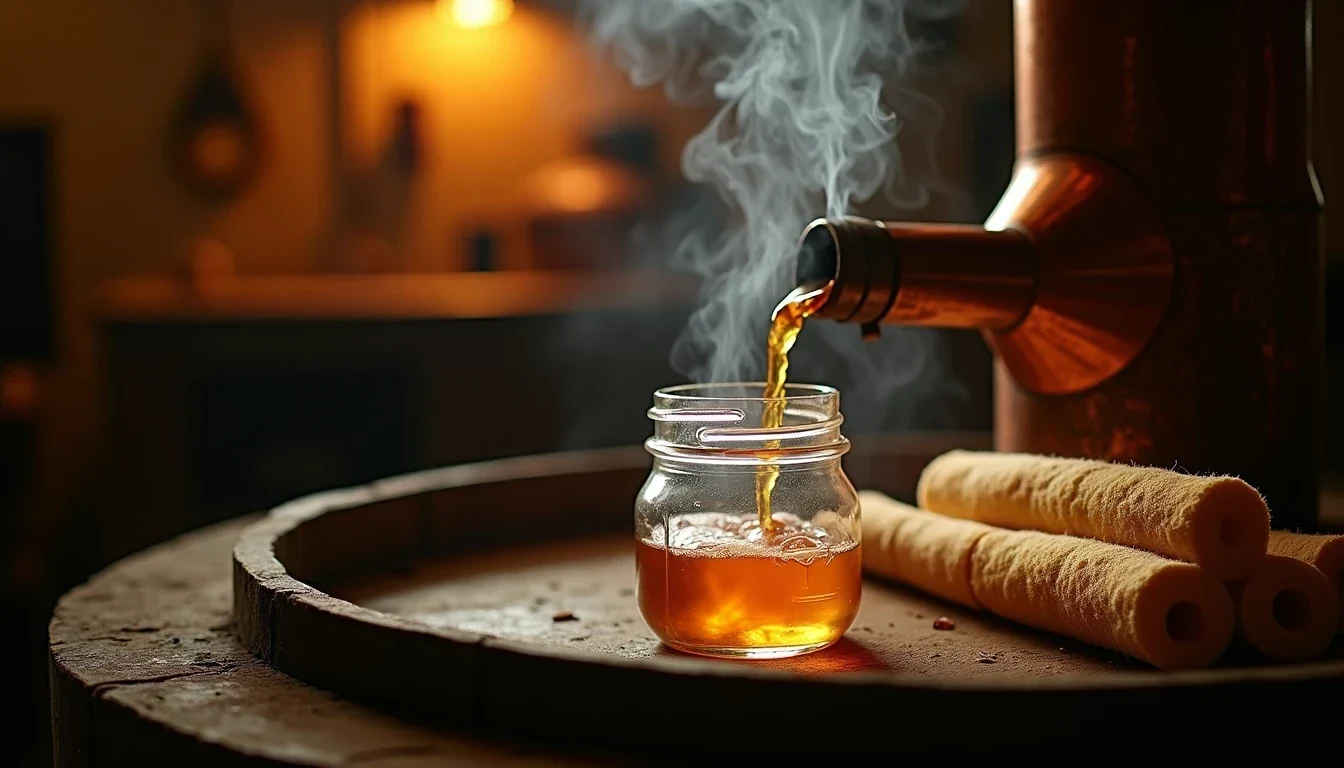
The copper still runs at Engenho da Cana in August, when the cane stands heavy and the cut crews start before dawn. Steam rises through the serpentine coil, and the first drips of new spirit hit the collecting jar at around 48 percent alcohol. This is cachaça at its origin, before the marketing, the premium price tags, or the caipirinha, which became the world’s shorthand for Brazil in a glass. What flows from that still connects to five centuries of history: most of it ugly, some triumphant. In the present moment, the same liquid gets poured at R$ 8 in a corner boteco and R$ 280 in a curated tasting flight.
Cachaça begins in violence. Portuguese colonizers established sugar engenhos in the 1530s, and the fermented juice of cut cane, what workers called garapa, became one of the first distilled spirits in the Americas. Enslaved Africans in the mills drank it, earned it as rations, and traded it. The Portuguese crown tried repeatedly to ban production, wanting to protect wine and bagaceira imports. Each ban failed. By 1660, Rio de Janeiro saw open revolt, the Revolta da Cachaça, when authorities seized shipments and the population pushed back. The drink became inseparable from Brazilian identity because it was forbidden and because it belonged to the people the colony exploited. That association with poverty and resistance lingered for centuries. The nicknames tell the story: pinga, cana, aguardente, all carrying a roughness that educated drinkers were supposed to graduate past.
From Poor Man’s Fuel to Premium Spirit
The transformation started late and moved slowly. Through the 20th century, industrial column stills dominated, pumping out clear, neutral spirit in enormous volumes. Cachaça remained the third most consumed spirit on earth by volume, after vodka and soju, but almost none of that consumption was proud. Brazilians with money drank whisky. The late 1990s and 2000s changed the equation. Small producers in Minas Gerais, Rio de Janeiro, and Paraná began marketing copper-pot distillation, native wood aging, and single-varietal cane. The gourmetization, as critics called it with justified skepticism, eventually stuck because the liquid actually differed. An amburana-aged cachaça tastes of vanilla and cinnamon in ways that oak cannot replicate. Jequitibá softens without adding flavor, letting the cane speak. Bálsamo brings anise and herbal notes, ipê contributes floral bitterness. These woods grow only in Brazil, and their use in spirits exists almost nowhere else.
Brazilian federal law protects the name with precision. Decree No. 6.871/2009, Article 52, limits cachaça to sugar cane spirit produced domestically, distilled from fermented juice rather than molasses, at 38 to 48 percent ABV at 20°C. The only permitted additive is sugar, maximum six grams per liter. This legal definition separates cachaça from rum at the regulatory level, a distinction important for trade and identity. Within the category, two production methods dominate. Artisanal alambique cachaça uses copper pot stills, batch distillation, often a single pass that preserves congeners and character. Industrial column stills run continuously, stripping flavor for consistency and volume. Neither is inherently superior, but they produce different products. The alambique spirit carries more risk and more reward; the column still delivers predictability.
The Geography of Quality
Two regions anchor the origin-story map for visitors who want to taste the difference in place.
Salinas sits in northern Minas Gerais, far from the state’s industrial south. The climate runs hot and dry, stressing the cane and concentrating sugars. Producers here favor robust, full-bodied styles, and many age in amburana for that distinctive cinnamon warmth. The region earned its Indicação de Procedência from INPI in 2012, with the certificate delivered in 2013, covering Salinas, Novo Horizonte, and neighboring municipalities. The Museu da Cachaça opened the same year, 2012, in a town that now builds tourism around the spirit it once shipped in bulk. The IP designation protects provenance but does not dictate method; it says this place produces something recognizable, and that recognition has economic value.
Paraty, on the southern coast of Rio de Janeiro state, holds the older and stricter certification. INPI granted its Indicação de Procedência in 2007, and the region has since advanced to Denominação de Origem status. The DO demands adherence to specific production standards and quality controls beyond geography alone. Paraty’s cachaças tend lighter and more delicate, shaped by Atlantic Forest humidity and coastal temperatures. Producers favor jequitibá and oak aging. The colonial town, already a UNESCO World Heritage site, offers the more complete visitor experience: cobblestone streets, bay access, and distilleries within walking distance of restaurants that cook with the same spirit they pour. The pairing of place and product feels less engineered here, more accidental, which is itself a kind of authenticity.
Making the Drink Properly
The caipirinha deserves better than the mangled versions served at beach kiosks worldwide. Brazilian federal law defines the bottled commercial product narrowly: cachaça, lime, and sugar at 15 to 36 percent ABV. The International Bartenders Association specifies the cocktail construction: roughly 50 ml cachaça, half a lime, two teaspoons of white sugar. Bottled caipirinha is a regulated category; the fresh drink is technique and timing.
Start with the lime. Wash it thoroughly, cut off both ends, then halve it lengthwise. Remove the central white pith, the vein that carries concentrated bitterness. Slice the remaining flesh into wedges. Place wedges and sugar in a sturdy glass, an old-fashioned or rocks glass that can take pressure. Muddle firmly enough to release juice and peel oils, gently enough to avoid shredding the skin into bitter compounds. The sugar should begin dissolving before you add ice. Fill with crushed ice or solid cubes, pour the cachaça, stir until cold. White prata cachaça works best; its fresh, grassy notes complement rather than compete with the lime.
Variations exist for reason, not novelty. Caipiroska substitutes vodka, a swap that became popular in the 1990s when imported spirits carried status. Caipifruta replaces lime with seasonal fruit: maracujá when tartness is desired, morango for sweetness, caju for the genuine Brazilian article that visitors rarely encounter elsewhere. Each requires adjusting the sugar balance. None improves on the original when the original is made correctly.
Drinking It Right
Distillery tours in Salinas and Paraty end with tasting flights, and the cumulative effect sneaks up. Cachaça at 40 percent ABV or above, even in small pours, accumulates fast. Eat before and during. Drink water between samples. Arrange transportation before you arrive, whether a designated driver, local bus, or rideshare. Brazil’s traffic laws for alcohol impairment are strict, penalties are severe, and rural roads after dark add their own dangers. The alambiques themselves rarely push overconsumption; they are family operations, often religious, conscious of their product’s reputation. The responsibility lies with visitors who treat the tour as a bar session.
The copper still at Engenho da Cana will run again next harvest, as it has for generations. What collects in the jar now commands respect that would have confused earlier drinkers: enslaved workers who received it as ration, colonial rebels who chose it as symbol, the urban poor who warmed themselves with it through São Paulo winters. That same liquid, differently framed, now sells for prices that exclude the people who carried its tradition. The tension is real and unresolved. The best response is to drink it knowledgeably, to understand what the glass contains, and to make the caipirinha well enough that someone asks what you did differently.