Food
Moqueca Bahia's Dendê Vs. Espírito Santo's Clay Pot
Brazilian cities Salvador and Vitória fiercely debate their iconic fish stew. Discover how Bahian dendê oil and Espírito Santo's clay pot create distinct.
Salvador and Vitória have been fighting over the same pot of fish for generations. One city builds its stew with dendê palm oil heavy enough to stain the spoon a deep orange. The other claims that anything not simmered in a hand-shaped black clay pot from Goiabeiras is not moqueca at all, only peixada. The saying is blunt, and the loyalty is real. The difference between Moqueca Baiana and Moqueca Capixaba comes down to far more than geography.
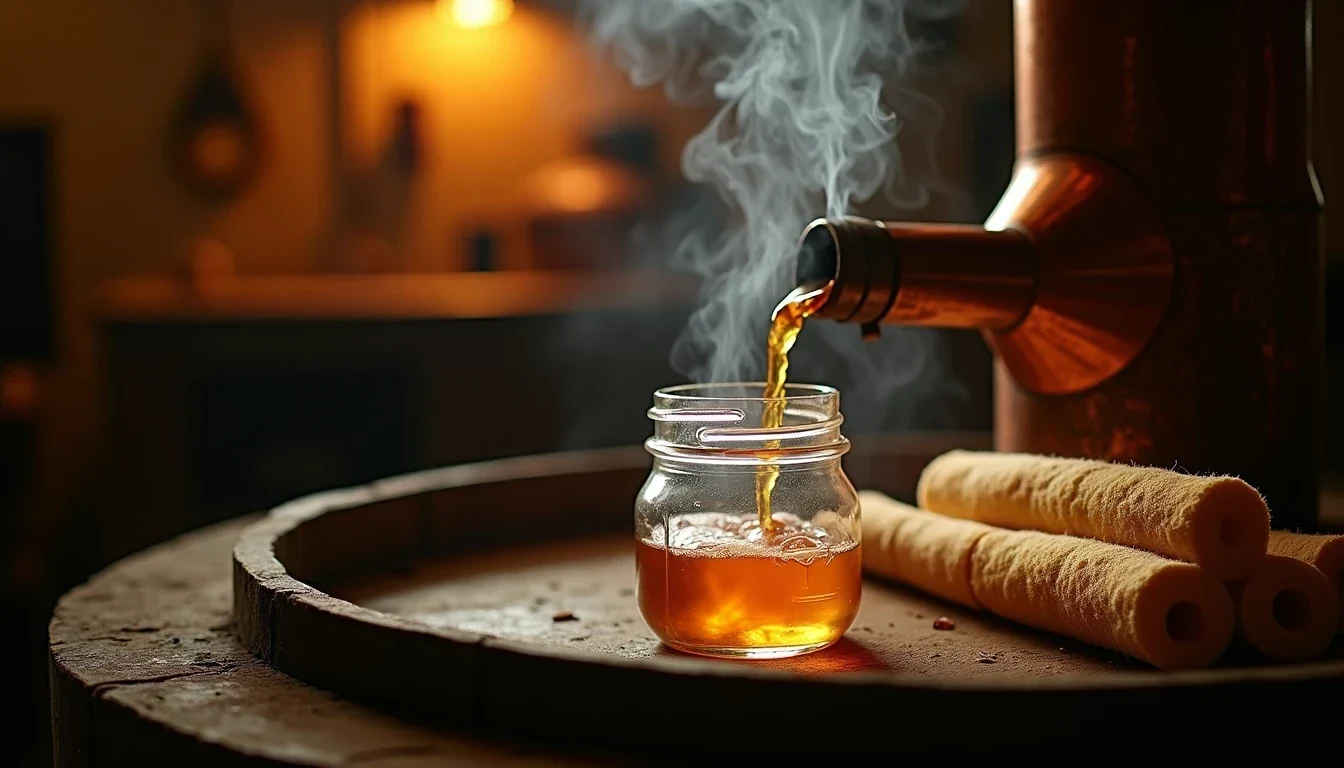
Step into a kitchen in Rio Vermelho and the first hit is the palm oil. Dendê carries a sharp, almost fermented aroma that fills the room as soon as it touches a hot pan. Cross to Vitória and the smell changes. The Goiabeiras clay pot gives off a damp, mineral scent, something like wet stone after rain. Those two smells tell you everything about where you are and signal what is coming. The baiana stew will coat the tongue with fat and spice. The capixaba version will taste first of tomato and brine, with the fish itself left to do the heavy lifting.
How the two stews smell and taste
What Goes Into the Pot
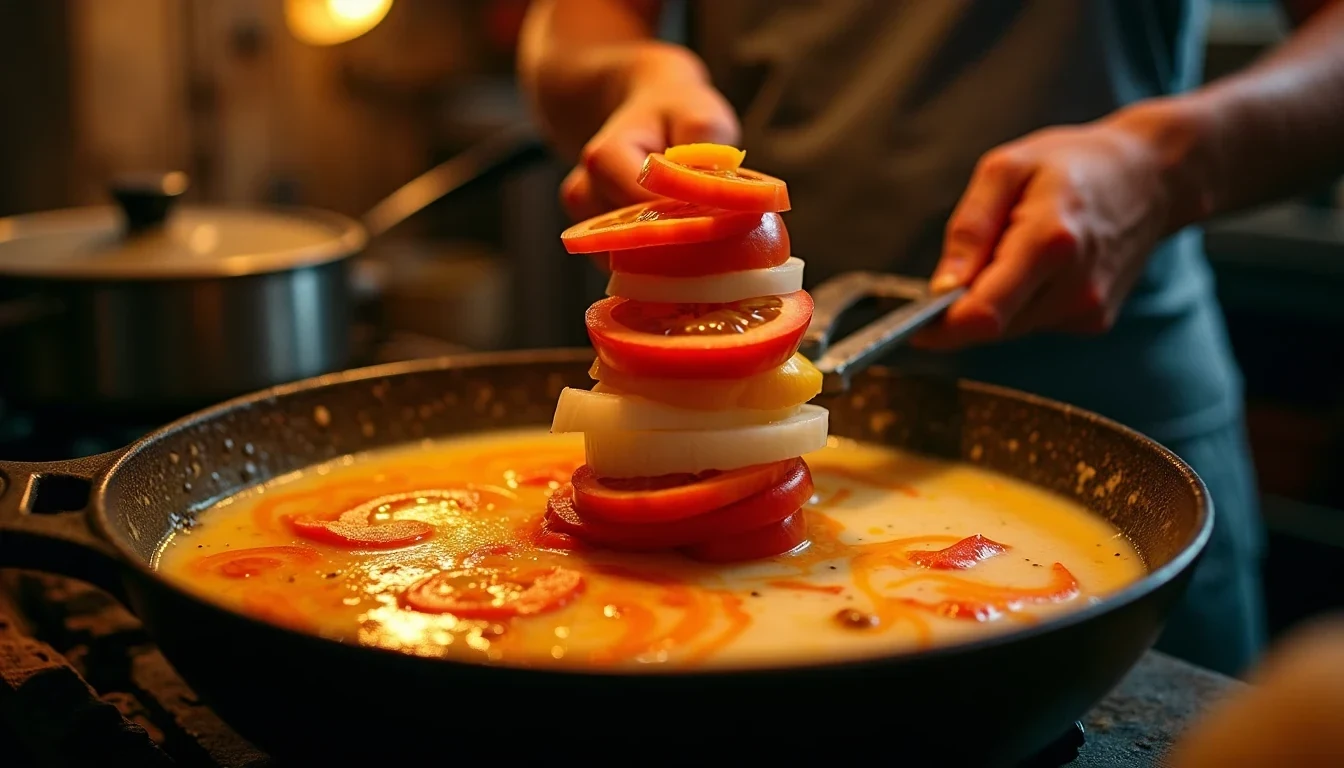
Moqueca Baiana starts with dendê melted into a heavy pan. Cooks layer thick slices of tomato, onion, and bell pepper, then scatter fresh coriander over the top. Coconut milk goes in next, whitening the broth into a creamy, aromatic liquid that carries the oil in orange swirls. Fish or shrimp slide in last, poaching gently until the flesh is just firm. The stew arrives at the table with farofa de dendê, pirão thickened with manioc flour, and a mound of white rice. Every element is designed to sop up the liquid, so the meal ends with an empty plate and stained fingers.
In Espírito Santo, the rules are stricter. Moqueca Capixaba bans dendê entirely, and it also bans coconut milk. Cooks warm olive oil and dissolve urucum seeds or powder to stain the stew a reddish gold. Tomato, onion, and coriander still appear, but the absence of palm oil keeps the flavor lighter and the natural sweetness of the seafood at the front. The only acceptable vessel is the panela de barro preta from Goiabeiras. Capixabas draw a hard line. Their version alone earns the name moqueca, they say, and every other pot is just peixada.
The Indigenous origins of slow-cooked fish
The Indigenous Root
Long before Portuguese ships arrived, coastal communities wrapped fish in fresh leaves and slow-cooked them over embers. The Tupi called this pokeka. The word described both the method and the package: protein bundled in leaves so the steam could not escape. That leaf-wrapped technique survives in spirit inside both modern stews, even if the banana leaves are now mostly a garnish or a lining rather than the main vessel. What remains is the core idea: freshwater or saltwater fish, local aromatics, and heat applied slowly enough that the flesh does not toughen. Both Bahia and Espírito Santo still honor that method, though each state insists its own interpretation is the faithful one.
How African heritage shaped the Bahian version
Dendê and the Afro-Brazilian Story
The split in ingredients is not accidental. Enslaved Africans brought dendê palm oil to Brazil, and the ingredient anchored itself in Bahian cooking with a force that goes well beyond flavor. In Salvador, dendê is as common in restaurant kitchens as it is in the ritual food prepared in Candomblé terreiros. Moqueca Baiana carries that history in every spoonful. It is a dish of Afro-Brazilian resistance and adaptation, a recipe that absorbed Indigenous technique and African ingredients into something unmistakably Bahian. Eating it in the Mercado Modelo or a small lanchonete in Rio Vermelho is an act of cultural recognition, not just lunch.
The craft behind the Goiabeiras clay pot
The Women Who Shape the Pot
If Bahia’s moqueca is defined by oil, Espírito Santo’s is defined by the container. The black clay pots used for Moqueca Capixaba come from the Ofício das Paneleiras de Goiabeiras, a collective of women potters in Vitória. They harvest local clay, shape each pot by hand without a wheel, and seal the surface with tannin extracted from mangrove bark. That bark gives the pottery its characteristic dark color and helps it withstand direct flame without cracking.
In 2002, IPHAN recognized the craft by recording it in the Livro dos Saberes as the first entry. Visitors can watch the process at the Galpão das Paneleiras in the Goiabeiras neighborhood. Anyone who buys a new pot must cure it before cooking. The women there will explain the soaking and drying steps, but the short version is patience. Rushing the cure risks a crack across the bottom during the first meal.
Where to find each moqueca in its home state
Where to Eat It
For Moqueca Baiana, Salvador is the undisputed capital. Restaurants along the Cidade Baixa and the waterfront in Amaralina serve the stew in portions sized for two or three. The three fish to ask for are badejo, robalo, and dourado. Their meat is white, flaky, and sturdy enough not to dissolve in the dendê-laced broth. Avoid ordering it with overly delicate fish; the long simmer will break them apart before the pot reaches the table.
Cross the border into Espírito Santo and the geography changes. Vitória holds serious capixaba kitchens in neighborhoods like Ilha de Santa Maria and Enseada do Suá. Guarapari, a short drive south along the coast, spreads the same tradition across beachfront bars where the clay pot arrives still bubbling. Ask for the same three species. If meat is not an option, moqueca de banana-da-terra is the standard vegetarian alternative in both states. The plantain holds its shape and soaks up the sauce without turning to mush.
How to cook both versions at home
Making It at Home
Both moquecas can be built in a home kitchen without a plane ticket. For the baiana version, the hardest ingredient to find outside Bahia is authentic dendê palm oil. African food shops in São Paulo and Rio de Janeiro usually stock bottles from Benin or Nigeria that work as substitutes. Coconut milk, coriander, and fresh peppers are standard supermarket items. Build the layers in a wide pan, pour the coconut milk over the top, and resist the urge to stir once the fish goes in. Shaking the pan gently is enough to keep the fillets from sticking.
The capixaba version is simpler on the pantry. Olive oil, annatto powder, and a heavy lidded pot are enough. A cast-iron Dutch oven will survive the heat, though it will never earn the respect of a Vitória grandmother. The annatto stains the oil a deep red before the vegetables even hit the surface. Layer the onions and tomatoes thinly so they melt into a natural broth. Either way, start with the freshest white fish available. Cook it gently. The stew should never boil hard. The goal is to keep the fillets whole and let the sauce settle into a thin, fragrant layer beneath them. Serve it with rice. Let your guests decide which state wins.