Food
Northeast Brazil Cashew Harvest Food Trip Ceará Piauí RN
Explore the vibrant cashew harvest in Northeast Brazil, distinguishing the sweet pseudofruit from the true nut, and bridging the gap to its origin.
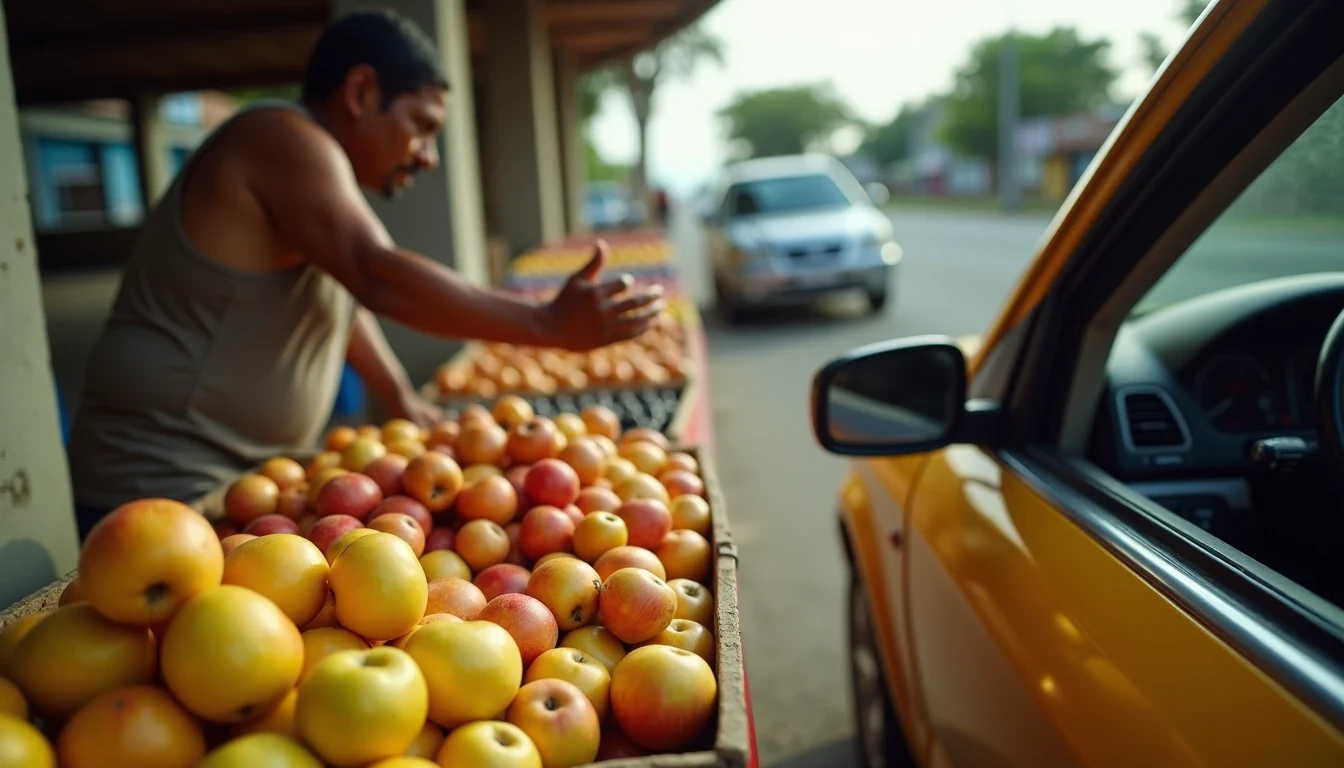
The first thing that hits you is the smell. Driving the BR-116 or any of the back roads threading through Ceará’s interior in September, you roll down the window and catch it: a sharp, sweet, almost fermented perfume rising from roadside stalls heaped with red and yellow cashew apples. The fruit is everywhere, priced to move. Most Brazilians passing through barely register what they’re missing. They know the castanha de caju, the pale kidney-shaped nut that comes vacuum-sealed in supermarkets from São Paulo to Curitiba. The living fruit, with its swollen, waxy stalk and the true nut dangling beneath like an afterthought, remains foreign territory even to many Northeasterners. This trip closes the gap between the packaged product and the harvest.
What the Fruit Actually Is
Botanists and roadside vendors agree on the basics, though only one group makes you pay for the lesson. The cashew apple, that fleshy, bell-shaped mass most people assume is the fruit, is technically a pseudofruit. It is the swollen peduncle of the flower, not the ovary. The real fruit is the smaller, kidney-shaped structure suspended below it, the part we call the nut, which develops from the actual flower ovary. The two parts demand completely different handling for eating.
The pseudofruit is juicy, fibrous, astringent, and highly perishable. You can bite into it fresh, though the sensation divides rooms: some find the sweetness immediate and clean, others get hit by the tannic dryness that follows. More commonly it gets squeezed for juice, cooked into sweets, or deployed in savory preparations where its texture stands in for meat. The nut beneath cannot be eaten raw. Its shell contains urushiol, the same caustic oil family found in poison ivy, and requires roasting to drive the compound off. Indigenous peoples of the region understood this long before Portuguese ships arrived. They had already developed methods for processing both parts when colonizers first encountered the tree in the 16th century and began shipping it to India and Africa, where it would eventually outproduce its native range.
The word itself carries this history. “Caju” descends directly from “acaiu” in Tupi, the language family spoken by peoples who cultivated and consumed the tree across what is now Brazil’s Northeast coast. The linguistic trace is unbroken. Contemporary rural communities still roast castanhas in open-air setups that would look familiar five centuries ago.
What to Eat and Drink
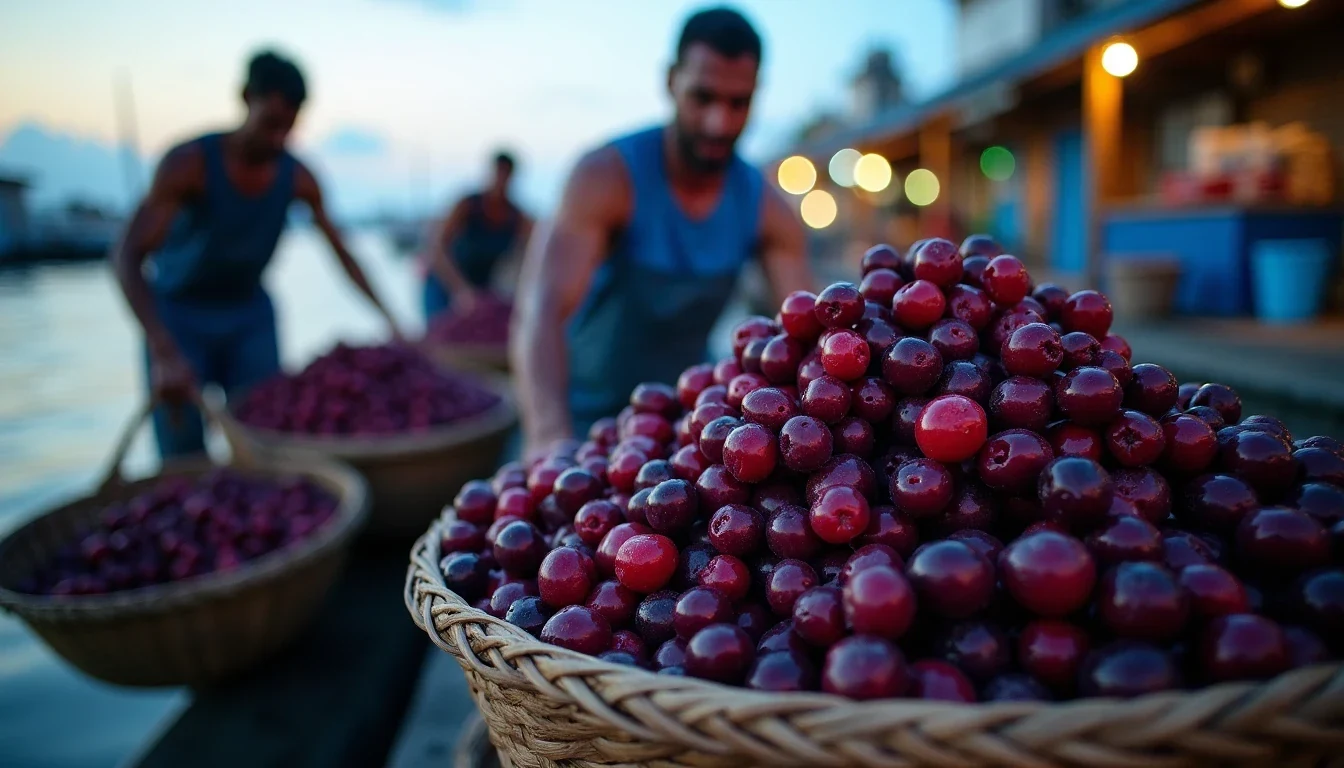
The harvest window runs August to December per Conab, peaking September through November, with stragglers sometimes holding on into January. Ceará leads Brazilian cashew-nut production by volume, so the state’s interior highways deliver the densest concentration of raw material and the most inventive processing.
Fresh juice appears first. Vendors set up manual presses or simple blenders and serve it chilled, sometimes with a squeeze of lime to cut the astringency. It is not a refined drink. The texture carries fiber, the color ranges from pale yellow to deep orange-red depending on the variety, and the flavor shifts dramatically with ripeness. This is the baseline experience, the one that costs R$ 3-8 (2024) at a roadside stop and delivers more information about the fruit than any packaged product.
From there the preparations ramify. Doce de caju reduces the pseudofruit with sugar into a dense, jewel-colored preserve, sold in plastic tubs at markets from Fortaleza to Juazeiro do Norte. Caju ameixa takes a similar reduction but shapes and dries it into plum-like forms, denser and more concentrated. Both keep longer than the raw fruit and travel better, making them sensible purchases if your trip continues beyond the harvest zone.
The savory side runs through carne de caju, a preparation that cooks down the pseudofruit with oil and seasoning until the fibers separate and brown into something resembling shredded meat. It appears particularly in Ceará, where the abundance of raw material encouraged experimentation. The texture is convincing enough that several regional restaurants now feature it as a standalone dish rather than a meat substitute for restricted diets. It tastes definitively of cashew, which is the point.
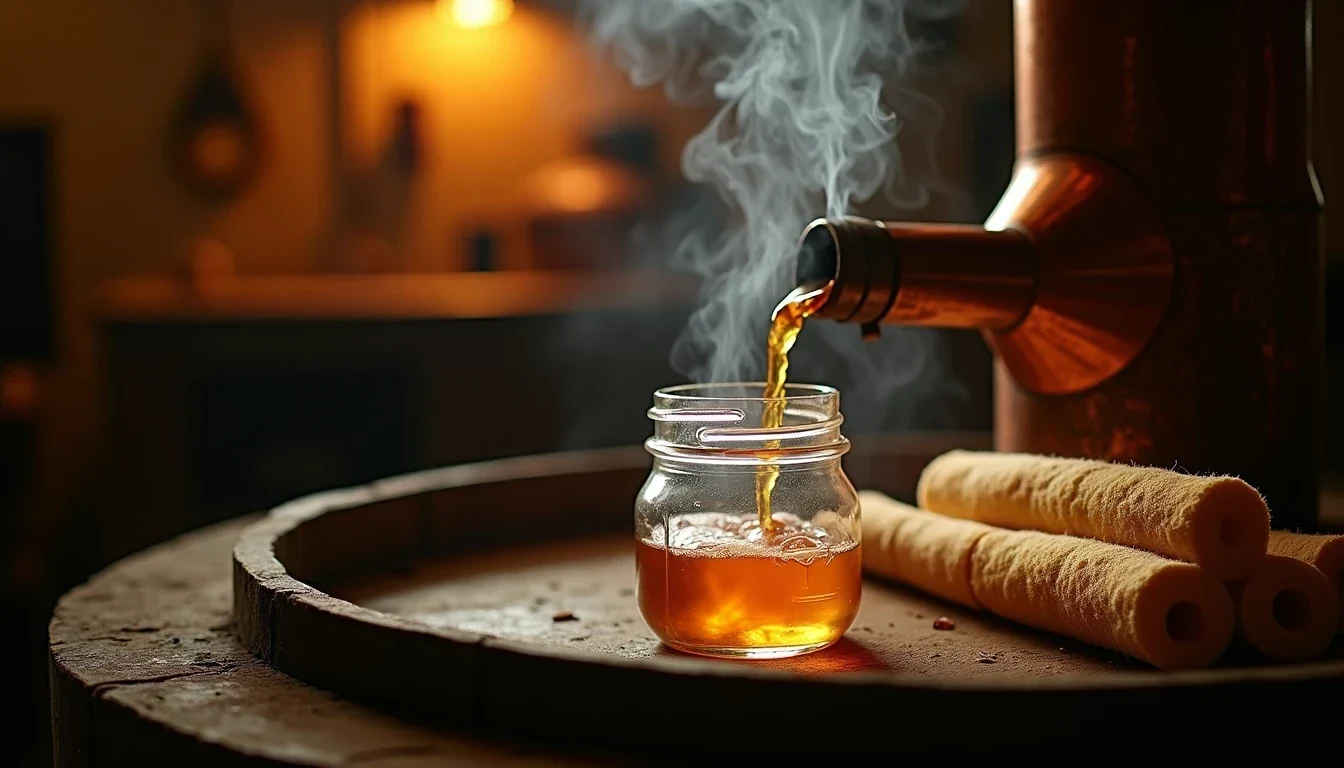
Then there is cajuína, which deserves its own paragraph and its own state. Piauí, specifically Teresina, is the acknowledged center of production. The drink starts as cashew juice but gets clarified through a process that removes the tannins, then caramelized through controlled heating until it achieves a translucent amber color and a flavor profile that has nothing in common with the raw fruit. It is smoother, deeper, slightly nutty, with none of the fresh juice’s aggressive edge. IPHAN registered cajuína as Brazilian Cultural Heritage in 2014, and the designation has held despite periodic discussions about extending equivalent recognition to Ceará’s own cajuína traditions. The Teresina version remains the reference point, available at specialized bars and from producers who will explain the clarification process if you ask. A 750ml bottle from a recognized producer ran R$ 15-30 in 2024; glasses at bars in the capital started around R$ 8.
The nut itself appears as village-roasted castanha, sold warm in paper cones by producers who process small batches over open flames. Roasting makes the nut edible. Industrial processing uses more controlled methods, but the village version carries smoke and irregularity that factory products flatten out. Prices in 2024 ranged R$ 10-25 for 200g depending on proximity to production and whether the vendor had shelled them.
For the committed, there is also cashew cachaça, the spirit distilled from fermented cashew apple rather than sugarcane. It is harder to find than standard cachaça, more commonly encountered at rural distilleries or specialized shops than at general bars, and it carries the fruit’s distinctive aromatic signature into a higher proof. Approach it with the respect you would give any unfamiliar distilled product; the alcohol content does not negotiate.
Where to Go
The trip has three logical anchors, one per state, though the real pleasure is in the connective tissue: the stops that do not appear in guides, the vendor who has set up under a specific tree for fifteen years, the batch of cajuína that a particular producer is still tweaking.
In Ceará, the Museu do Caju in Caucaia, just outside Fortaleza, collects the agricultural and social history of the crop in the region that produces more of it than anywhere else in Brazil. Exhibits cover cultivation techniques, processing equipment, and the economic cycles that have lifted and depressed rural communities dependent on the harvest. Opening hours should be verified before visiting; the museum operates on reduced schedules outside peak tourist periods and may close for maintenance without extensive advance notice.
Teresina in Piauí is the destination for cajuína specifically. The city does not otherwise dominate tourist itineraries, which works in its favor: you are there for the drink, not the scene. Several producers maintain storefronts or tasting rooms where you can compare batches and clarify the distinction between genuine cajuína and simpler cashew juice. The surrounding countryside also grows the fruit, so roadside availability continues as you drive in or out.
In Rio Grande do Norte, the Cajueiro de Pirangi near Natal occupies its own category. The tree, or more accurately the sprawling network of branches that has rooted and re-rooted across an extensive area, is promoted as the world’s largest cashew tree. The claim is specific enough to be meaningful: it is a single genetic individual that has expanded horizontally through successive layering, not a grove of separate trees. The site charges admission, offers guided walks beneath the canopy, and sells cashew products from associated vendors. As with the museum, verify current opening hours and entry fees before making the drive; the tree is an established attraction but operational details shift.
Practical Planning
The harvest timing is non-negotiable. August brings early fruit, September through November delivers peak volume and quality, December tapers off, and January is for scavengers. This window overlaps with mango season and other summer fruit availability, so the broader culinary context rewards flexibility. You will not lack for fresh produce.
For budgeting, 2024 prices suggest R$ 50-100 per day covers generous sampling of juices, sweets, and roasted nuts at roadside and market stops, with cajuína bottles and restaurant meals pushing higher. Fuel and lodging follow standard Northeast Brazil patterns; the cashew-specific costs are modest until you start collecting artisanal products in quantity.
Driving is the practical mode. The BR-116 and connecting state highways link the three anchor points, and the stalls you want do not cluster near bus stations. A car also lets you follow your nose when you catch that fermented-sweet scent rising from an unmarked stop. The best finds do not advertise.
Safety and comfort considerations are standard for rural Northeast Brazil travel: carry cash for small vendors, confirm accommodation in smaller towns during harvest weekends when regional tourists move, and protect against sun exposure during midday stops. The caustic oil in raw cashew nuts is a genuine hazard if you encounter unprocessed nuts; do not attempt to crack them without understanding the roasting requirement.
The cashew harvest is not a hidden secret. Conab publishes the production data, the stalls operate in plain sight, and Ceará’s dominance in national nut production is a matter of public record. What remains hidden is the experience of the fruit itself, the gap between knowing the packaged product and standing in the smell of the harvest. That gap closes for a few months each year, on specific roads, for whoever makes the drive.