Football
Marta's 17 World Cup Goals And Brazil's Women's Football History
Marta's unprecedented 17 World Cup goals define a legendary career, underscoring the remarkable journey of Brazilian women's football, which overcame a 40-year.
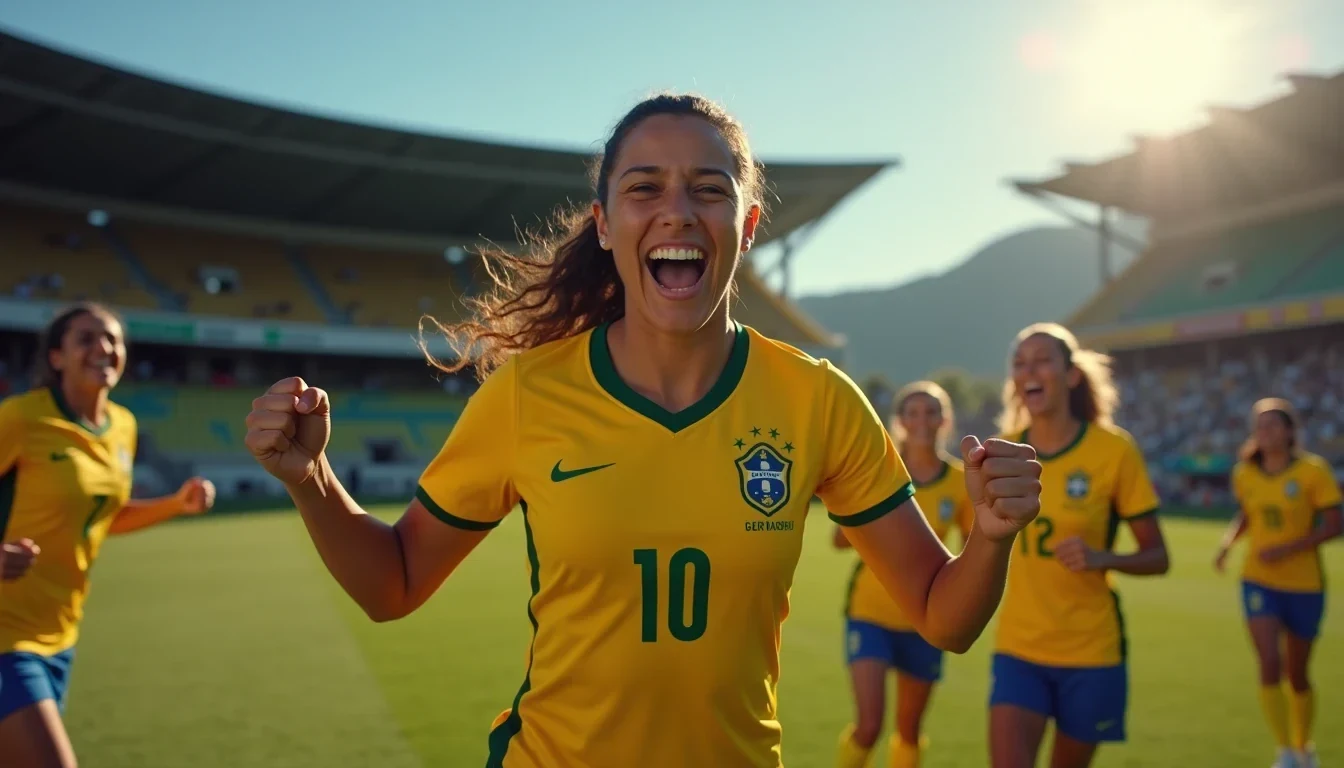
On 2 August 2025, Marta Vieira da Silva scored twice in the Copa América final at the Estádio Rodrigo Paz Delgado in Quito. Brazil and Colombia finished 120 minutes level at 4-4. The seleção converted every kick in the penalty shootout to win 5-4 and claim a ninth continental crown. Marta was 39 years old. Five months earlier, FIFA had attached her name to the prize for the finest women’s goal of the season. These moments cap a career already defined by 17 goals across five World Cup tournaments. No other player has reached that figure in either the men’s or women’s competition. She is among just three footballers to have found the net in five separate World Cup finals tournaments.
President Getúlio Vargas signed Decree-Law 3,199 in April 1941. The text barred women from sports deemed incompatible with their nature. Football was effectively banned. The decree survived until 1979. Formal regulation of the women’s game did not arrive until 1983. Those four decades erased any chance of leagues, youth academies, or federal investment while other nations built their foundations. When Brazil finally entered the first FIFA Women’s World Cup in 1991, the squad arrived without a professional domestic league to draw from. The side lost every group match and shipped nine goals.
The numbers behind the record
Marta has scored 17 goals in FIFA World Cup finals tournaments. She found the net in five separate editions, a feat shared with only two other players in global football. She collected FIFA’s top individual prize six times: 2006, 2007, 2008, 2009, 2010, and 2018. No one else has collected that many. In 2024, FIFA began presenting the Marta Award to the author of the finest women’s goal of the season. The recipient is chosen each year by public vote during the annual Best FIFA Football Awards ceremony.
The ban that cost four decades
President Getúlio Vargas issued Decree-Law 3,199 in April 1941. The text prohibited women from sports judged incompatible with their nature, and football sat squarely in that category. Organised women’s matches disappeared. The decree stayed in force until 1979. Even then, the sport lacked formal regulation until 1983. That 42-year freeze meant Brazil had no sanctioned national league, no school teams, and no federal funding for female athletes while countries such as England and the United States developed professional structures. The effects lingered. When Brazil finally entered the first FIFA Women’s World Cup in 1991, the squad arrived without a professional domestic league to draw from. The side lost every group match and shipped nine goals.
Three Olympic silvers and a night in Quito
Marta made her senior debut for Brazil in 2002 at the age of 16. She quickly became the focal point of every major tournament squad. She helped the seleção win Olympic silver medals in Athens 2004, Beijing 2008, and Paris 2024. The gold medal eluded her in all three finals, but her consistency across three decades is a record of durability. The 2025 Copa América final in Quito showed she still dictates the biggest moments. Colombia pushed Brazil to a 4-4 draw after extra time on 2 August 2025. Marta scored both of her team’s regulation goals. Brazil held its nerve in the shootout, winning 5-4 to lift a ninth continental title and qualify directly for the 2027 World Cup.
The league today
The top flight is now called the Brasileirão Feminino A1. The 2026 season was the first to feature 18 clubs. São Paulo lifted the trophy after a 1-1 result against Corinthians under the floodlights at MorumBIS. The stadium sits in the south of São Paulo. More than 49,000 people attended, a record for the competition. Corinthians remain the tournament’s most successful club by titles won. The expansion to 18 teams reflects broader investment from state federations and broadcasters. Matches now air on linear television and streaming platforms. Crowds of several thousand are common for derby fixtures in the state capitals. The jump from a scattered amateur calendar to an 18-club national league took four decades, but the 2026 final proved the market exists.
The 2027 World Cup comes to Brazil
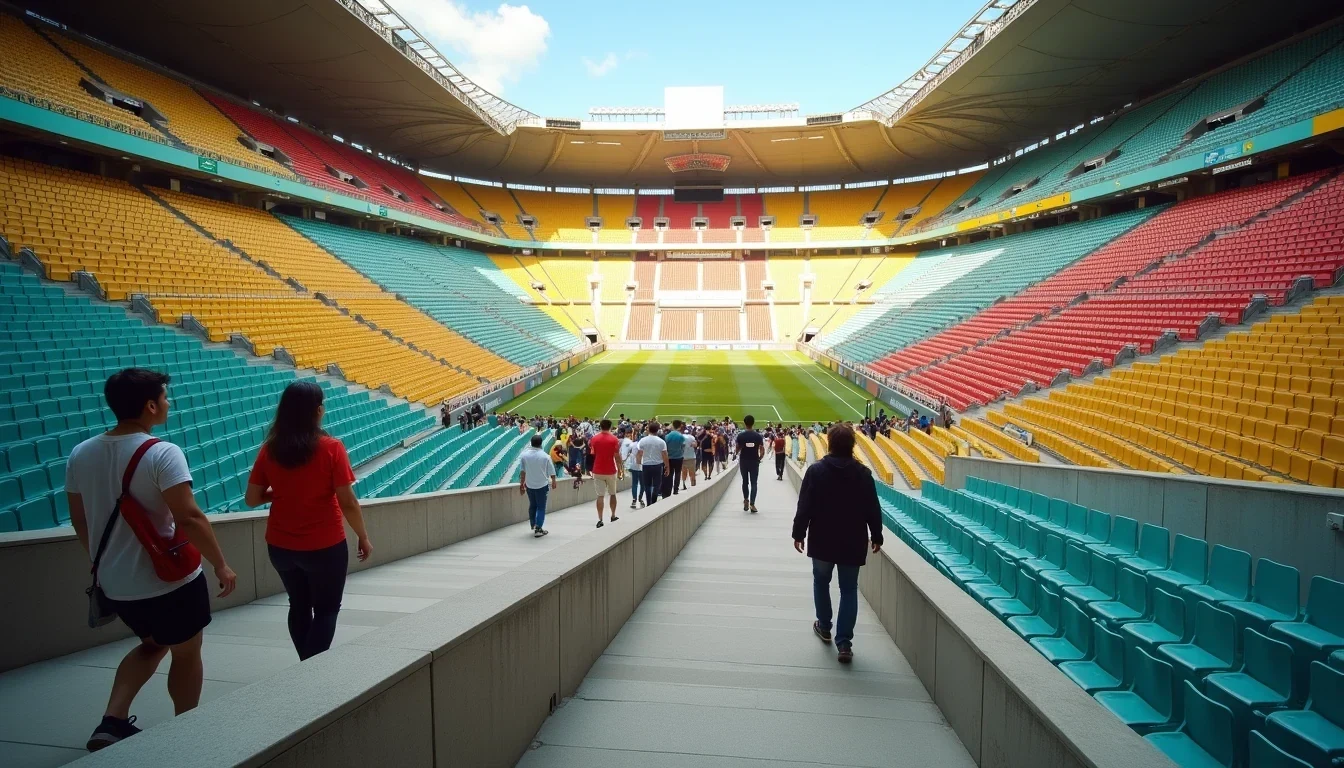
Brazil will host the 2027 FIFA Women’s World Cup between 24 June and 25 July 2027. Eight cities will stage matches. The tournament will reach Belo Horizonte, Brasília, and Fortaleza in the north and east, plus Porto Alegre, Recife, Rio de Janeiro, Salvador, and São Paulo. The Estádio do Maracanã in Rio de Janeiro will hold both the opening match on 24 June and the final on 25 July. This marks the first time the women’s tournament has come to South America. The draw is expected in late 2026. FIFA has confirmed that the tournament will use existing stadiums from the 2014 men’s World Cup and the 2021 Copa América, with no new construction required. Travellers should note that June and July are winter in the southern hemisphere. Temperatures in São Paulo and Porto Alegre can drop to 12 °C at night, while Fortaleza and Salvador stay warm. Book domestic flights between host cities well in advance.
Where to watch women’s football now
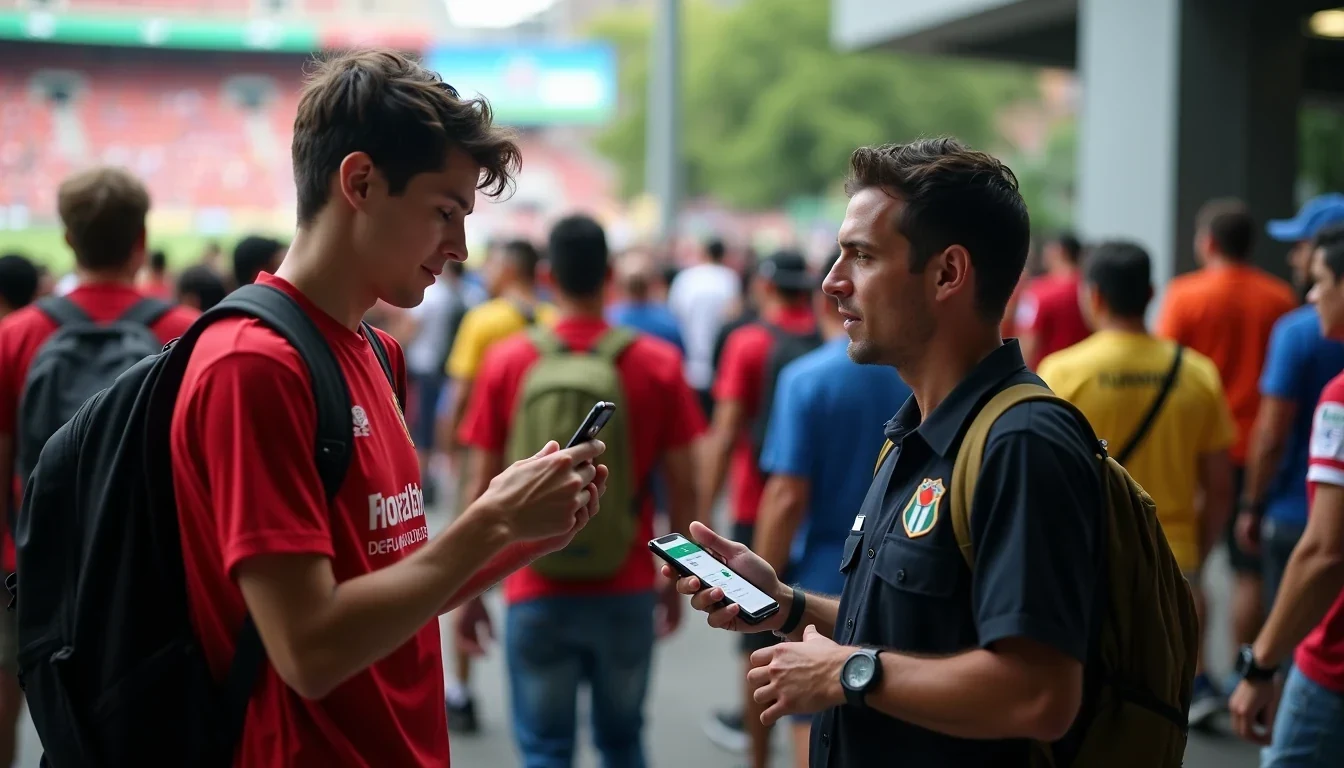
Visitors and locals can attend Brasileirão Feminino A1 matches during the season, which runs from March to September. The 18-club league schedules fixtures in São Paulo, Rio de Janeiro, Belo Horizonte, Porto Alegre, and other state capitals. State championships, known as the Campeonato Estadual Feminino, run concurrently and offer additional matches in regional cities. The CBF website and individual club portals publish kick-off times, stadium addresses, and ticket links. Clubs in the capital cities usually sell tickets through their own apps on the week of the fixture. The seleção also stages friendlies and qualifiers at venues nationwide. For the 2027 World Cup, FIFA will operate the official ticketing system. Registering on the platform in advance is the safest route to seats for the opening match at the Maracanã or the final.