Football
São Paulo's Major Football Stadiums And Metro Routes
Get a practical guide to São Paulo's four major football stadiums, including club details, capacities, and exact metro routes for hassle-free match day travel.
São Paulo holds four stadiums important to anyone who wants to watch football in Brazil’s biggest city. Three belong to the clubs that have dominated the national game for a century. The fourth is a municipal ground rebuilt and renamed so many times that even locals need a moment to recall its current title. All four seat above 20,000, which since June 2025 triggers a facial-recognition entry requirement that catches first-time visitors off guard. This is a practical comparison: where each ground sits, who plays there, how many it holds, and the exact metro route to get you in and out.
| Stadium | Club | Neighbourhood | Capacity (football) | Nearest station | Lines | Walk |
|---|---|---|---|---|---|---|
| Nubank Parque | Palmeiras | Água Branca | ~43,600 | Palmeiras-Barra Funda | Metrô 3-Red, CPTM 7-Rubi, 8-Diamante | ~20 min |
| Neo Química Arena | Corinthians | Itaquera | 48,905 | Corinthians-Itaquera | Metrô 3-Red, CPTM 11-Coral | Adjacent |
| MorumBIS | São Paulo FC | Morumbi | ~67,000 | São Paulo-Morumbi | Metrô 4-Yellow | 20+ min |
| Mercado Livre Arena Pacaembu | Municipal | Pacaembu | ~26,000 | Higienópolis-Mackenzie or Clínicas | Metrô 4-Yellow / 2-Green | Bus or long walk |
Nubank Parque and the Barra Funda walk
Palmeiras have played at Avenida Francisco Matarazzo 1705 in Água Branca since 2014, when the old Palestra Itália gave way to a new build. The naming rights have shifted again: as of 2026 the ground trades as Nubank Parque, though most Paulistanos still say Allianz Parque out of habit. For football the capacity sits at roughly 43,600, tight enough that high-stakes matches sell out fast and the atmosphere compresses into something fierce.
Your metro stop is Palmeiras-Barra Funda, a major interchange where Metrô Line 3-Red meets CPTM’s 7-Rubi and 8-Diamante commuter lines. From the station concourse to the stadium gate is about twenty minutes on foot, much of it along or across Avenida Francisco Matarazzo itself. The club runs stadium tours on non-match days for visitors who want to see the trophy room and the pitch-level tunnel without the crush of a crowd.
Neo Química Arena and the station at its door
Corinthians built their ground in Itaquera with public transport as the organising principle. The only major stadium in São Paulo where the metro station empties directly into the approach is Corinthians-Itaquera. The station sits beside the ground, served by Metrô Line 3-Red and CPTM Line 11-Coral. There is no walk, no shuttle bus, and no guessing which exit to take.
The capacity figure is precise: 48,905 after a 2025 adjustment that reclassified seating without adding a single seat or concrete pour. The arena is also locked in as a 2027 Women’s World Cup venue, so infrastructure upgrades will continue through 2026. For away fans travelling from central São Paulo, the journey east on Line 3-Red takes roughly forty minutes from Sé. The return requires planning: post-match queues at Corinthians-Itaquera can stretch back into the station concourse, and the last CPTM services to the eastern suburbs run earlier than many visitors expect.
MorumBIS and the long approach from Line 4
São Paulo FC’s ground in Morumbi is the largest of the four at approximately 67,000, with StadiumDB logging the exact figure as 67,428. The scale creates a problem. The club books concerts year-round, and each one eats a weekend that might have held football. Check the schedule carefully: a league fixture announced for March can be bumped to a midweek slot if a touring act has priority.
The metro connection is Metrô Line 4-Yellow to São Paulo-Morumbi station, opened in 2018 after years of delay. The catch is the walk: more than twenty minutes uphill through residential streets, longer in rain, longer still if you follow the crowd that misses the shortcut through the hospital campus. Taxis and ride apps cluster at the station exit after matches, but surge pricing bites hard when 60,000 people hit their phones simultaneously.
Mercado Livre Arena Pacaembu and what replaced the Tobogã
The old Estádio Municipal Paulo Machado de Carvalho reopened on 25 January 2025 as Mercado Livre Arena Pacaembu, after a renovation that stripped away the iconic Tobogã stand and reduced football capacity to roughly 26,000. The new configuration is built for shows, not sport: the calendar carries far more concerts than matches, and no club calls it home.
For football tourists the real draw sits underneath the stands. The Museu do Futebol occupies the space at Praça Charles Miller, tracing the game’s Brazilian history from 1894 to the present with artefacts, footage, and an obsessive collection of vintage shirts. Entry to the museum is separate from any stadium event.
Public transport is the least direct of the four options. Higienópolis-Mackenzie on Line 4-Yellow and Clínicas on Line 2-Green are the nearest metro stops, but both require a bus connection or a long walk across the Paraíso valley. Most visitors arrive by taxi or ride app, which adds cost but saves confusion.
Facial recognition and the June 2025 rule
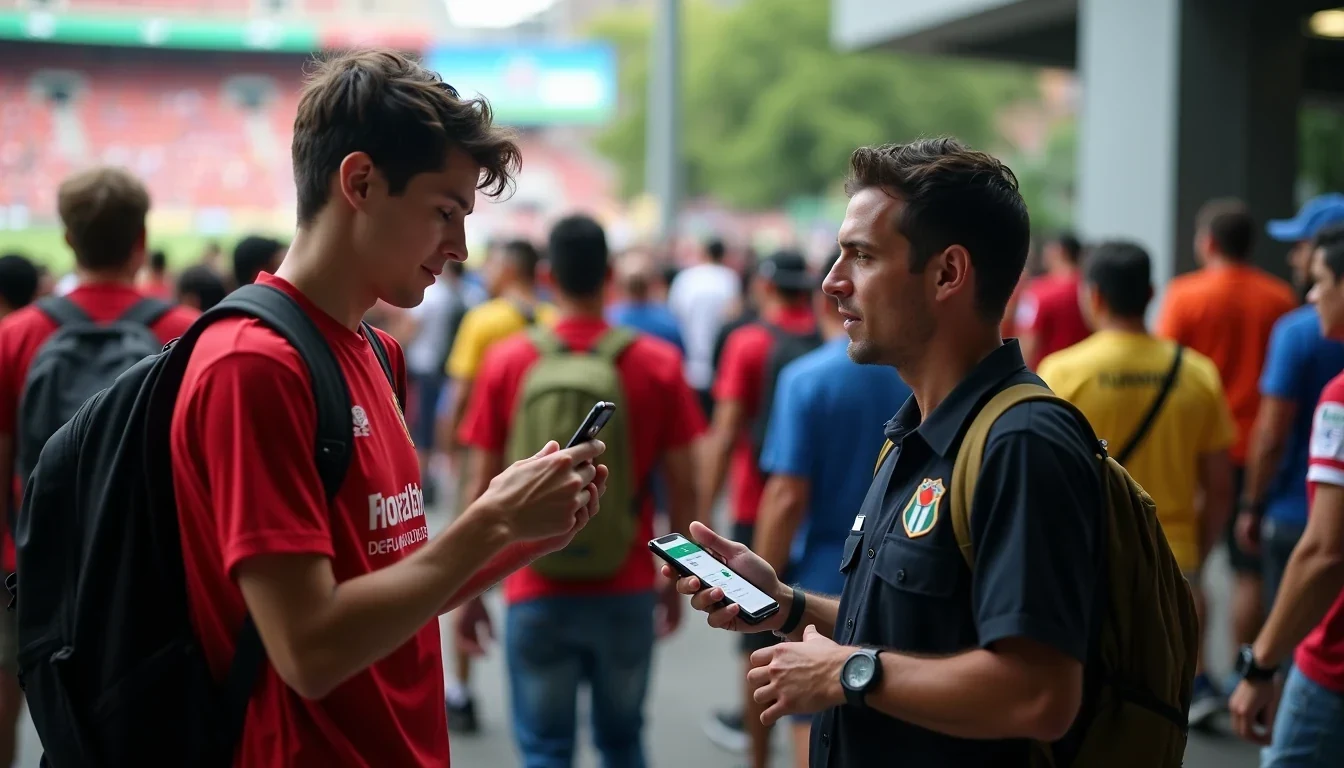
Every stadium on this list now requires biometric registration for entry. The threshold is 20,000 seats, which catches all four grounds and many smaller venues besides. Registration opened in stages through early 2025 and became mandatory in June. You upload a photo through the club or venue’s official platform, or complete the process at staffed kiosks outside the ground on match day. The latter option works but adds twenty to forty minutes to your arrival time, and the queues are worst for visitors who have not prepared.
Bring government-issued photo ID that matches your registration name exactly. The system has rejected tickets where the biometric profile used a middle name and the ID did not, or where a foreign passport number was entered with a typo.
Getting home after night matches
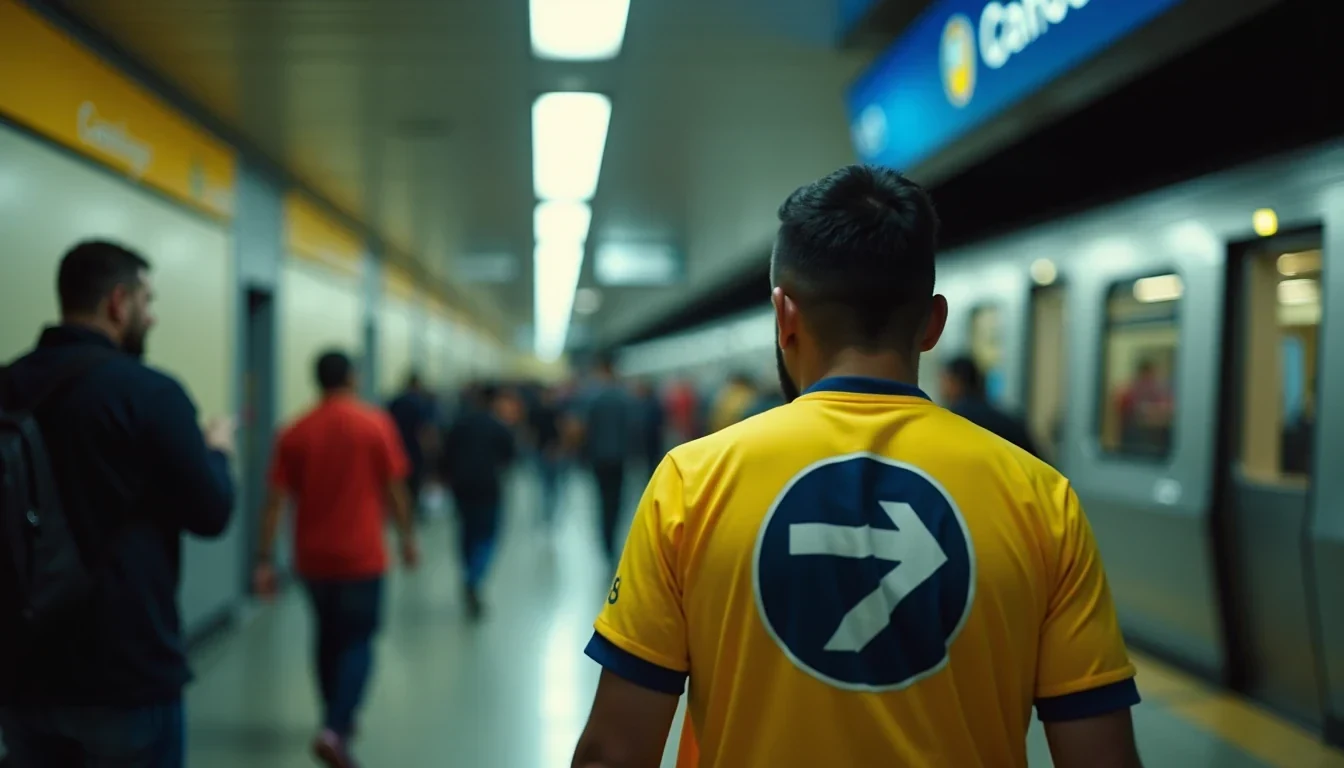
São Paulo’s metro and CPTM network does not run all night. Line 3-Red, the backbone that serves both Nubank Parque and Neo Química Arena, typically closes between midnight and 00:30 on weekends, with last trains leaving terminal stations earlier than that. Line 4-Yellow, your route to MorumBIS, shuts down on a similar schedule. Midweek matches that kick off at 21:30 or 21:45 often finish after the final train.
The official Metrô and CPTM journey planners update service times for events, including extended hours for major fixtures, but extensions are announced case by case and are never guaranteed. Check the same-day schedule before you leave for the ground. If the metro has closed, your options fragment: ride apps with 3x surge pricing, informal vans that gather on main roads near stadiums, or walking to a 24-hour bus corridor and waiting. None of these are pleasant at 01:00 in Itaquera or Morumbi.
For visitors staying in central neighbourhoods like Consolação, Bela Vista, or Jardins, the safest post-match fallback is to position yourself near a major avenue where taxis circulate even after the metro shuts. Avenida Paulista, for all its chaos, never fully sleeps. Avenida Brigadeiro Faria Lima, further southwest, thins out faster. Plan your exit route from the stadium with this in mind, not with the assumption that the transport that brought you will still be running when the final whistle blows.