Formula 1
Felipe Massa's 38-Second Championship at the 2008 Brazilian Grand Prix
Felipe Massa was Formula 1 champion for 38 seconds at the 2008 Brazilian Grand Prix before Lewis Hamilton clinched the title by a single point on the final lap.
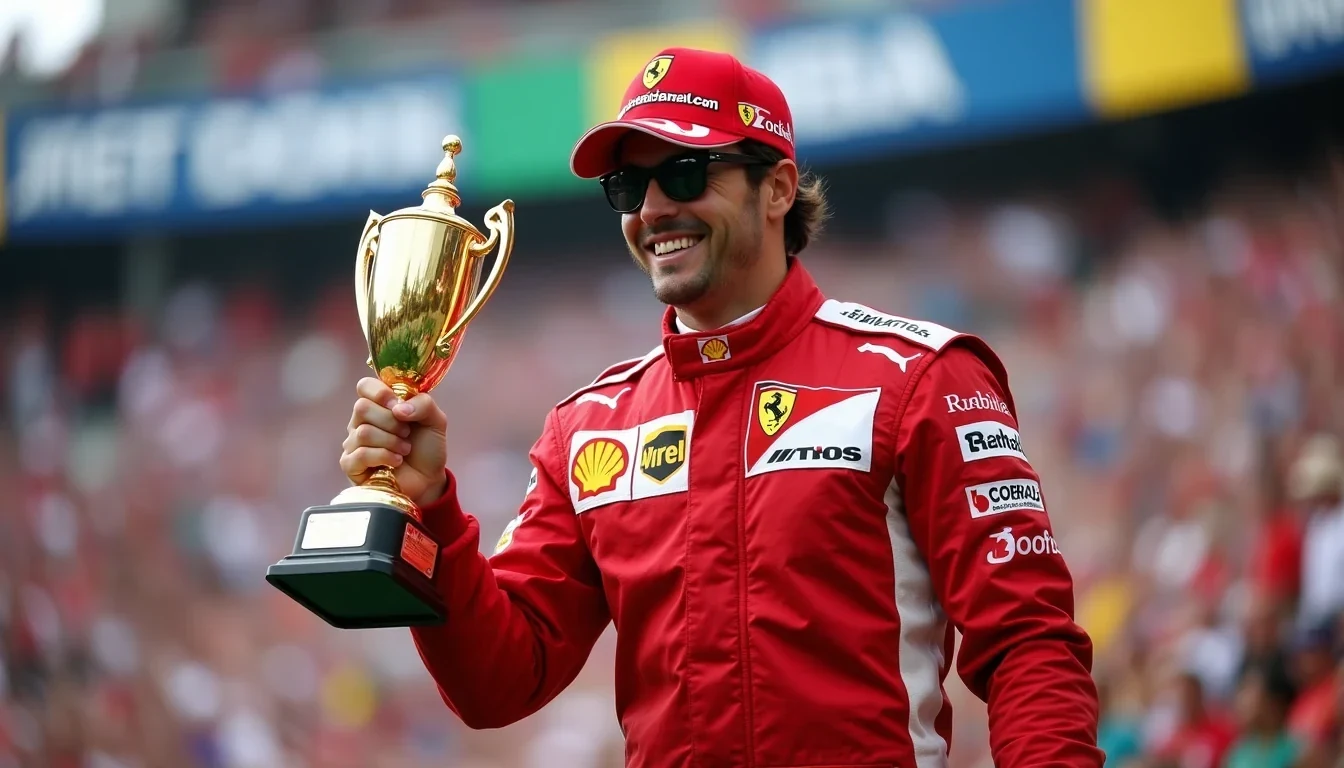
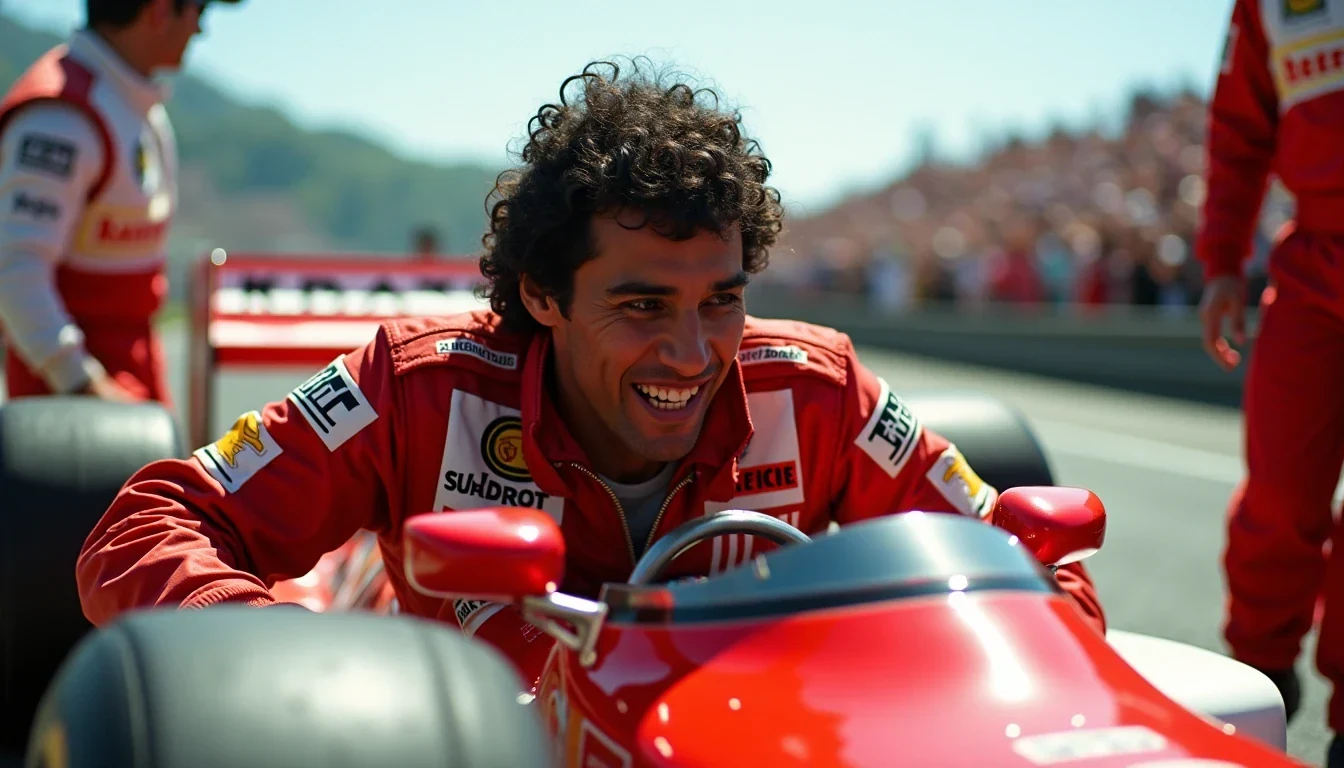
Felipe Massa crossed the finish line at Interlagos on 2 November 2008 with a 13-second lead and the 2008 Formula 1 World Drivers’ Championship in his hands. For 38.907 seconds, the São Paulo crowd held the roar they had been saving since his first kart race in the city. Then Lewis Hamilton emerged from the final corner in fifth place, and the mathematics shifted. Massa had won the race. Hamilton had won the title by a single point.
How Rubens Barrichello Set the Stage for Massa’s Heartbreak
No Brazilian had carried Ferrari’s hopes longer than Rubens Barrichello. Between his debut in 1993 and his final race in 2011, he started 322 grands prix, still the all-time record. Those starts produced 11 wins, 68 podiums, and two runner-up championship finishes in 2002 and 2004. Nine of those victories came in Ferrari red.
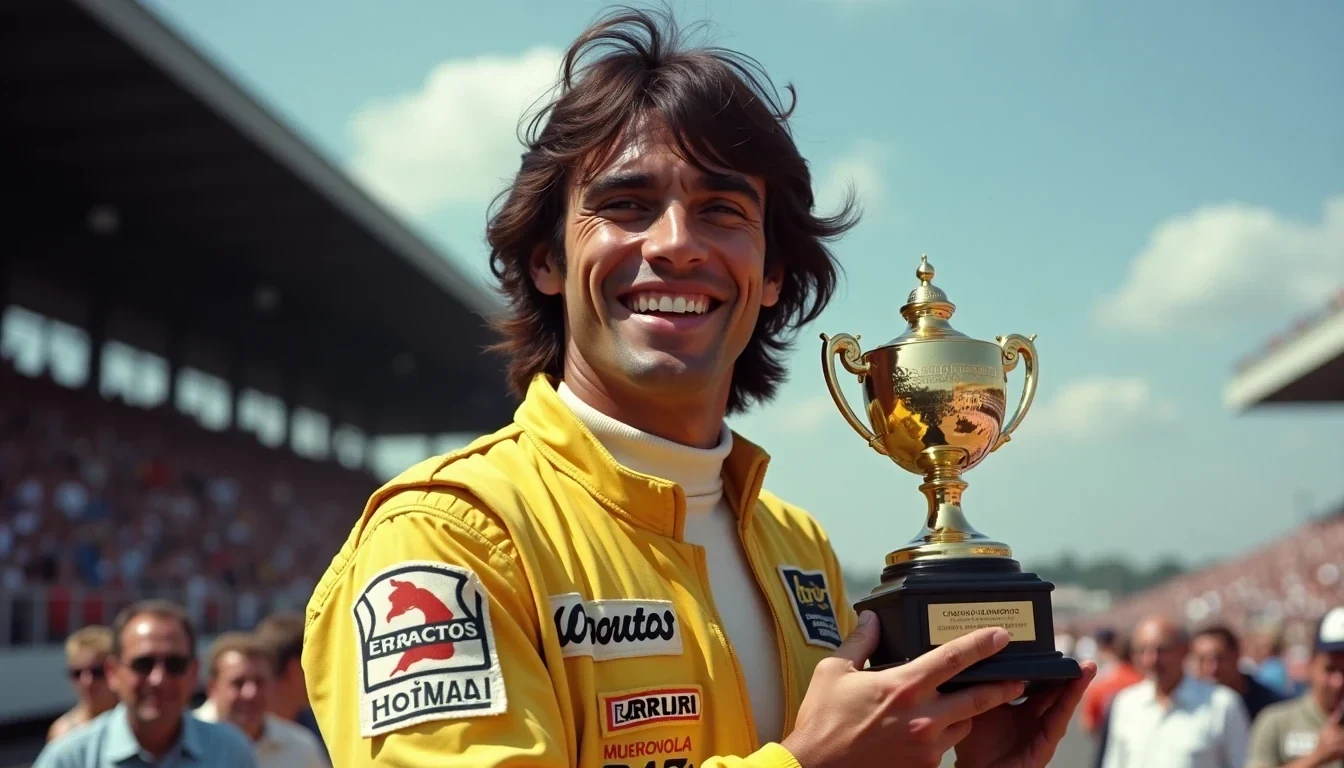
Barrichello waited more than 120 starts for his first win, finally taking it at the 2000 German Grand Prix at Hockenheim. The drought had made him a symbol of persistence without the payoff Brazilian fans craved after Ayrton Senna’s era. His two championship runner-up spots, both behind Michael Schumacher, confirmed his speed but also his role in a team hierarchy that never tilted his way. When he moved to Brawn GP in 2009, he added two more wins at age 37, proving the machinery had sometimes been the limiting factor.
Barrichello established the template Massa would follow: a Ferrari seat, Interlagos victories, and the burden of a nation’s expectation on home asphalt.
Massa’s Rise and His Interlagos Dominance
Felipe Massa arrived at Ferrari in 2006 after an apprenticeship at Sauber. He won 11 grands prix in total, but two carried particular weight: his home victories at Interlagos in 2006 and 2008. The first announced him as a genuine contender. The second, two years later, came with the championship at stake.
By 2008, Massa had shed the erratic edges of his early career. He led the championship for portions of the season, traded it with Hamilton across 18 races, and entered the Brazilian finale seven points behind. Massa had to win. Hamilton only needed fifth.
The weather on race Sunday complicated every calculation.
The 2008 Finale, Minute by Minute
Rain arrived late in the 71-lap race, light at first, then heavier in the final laps. Teams faced the classic Interlagos dilemma: pit for intermediate tyres and lose track position, or gamble on drying conditions with slicks and risk aquaplaning.
Timo Glock, running sixth in a Toyota, chose to stay out on dry tyres. The gamble elevated him temporarily but left him vulnerable as the rain intensified. Hamilton, running in a championship-clinching fourth position, pitted for intermediates on lap 67 and rejoined fifth. Sebastian Vettel, also on intermediates, hunted him down.
With two laps remaining, Vettel passed Hamilton for fourth. The championship swung. Hamilton now sat sixth, one position short of the points he needed. Massa, leading comfortably, crossed the line to win the race. Ferrari’s pit wall erupted. The São Paulo crowd began its celebration. For 38.907 seconds, Massa was the 2008 champion.
Then the television screens showed Hamilton’s McLaren emerging from the final corner, Juncao, alongside Glock’s struggling Toyota. Glock, on dry tyres in wet conditions, had no grip. Hamilton passed him for fifth place before the finish line. The pass took Hamilton from 94 points to 98. Massa finished with 97.
The final table: Hamilton 98, Massa 97. The margin was a single point, the closest championship finish since the 1984 season.
The Aftermath and What Followed
Massa handled the immediate moments with controlled grace. He removed his helmet in the cockpit, sat motionless, then walked to the podium to receive the winner’s trophy in front of a crowd that had begun cheering him and finished in silence. The 38.9 seconds remained the provisional high point of his career.
The following season brought a different kind of ending. At the Hungarian Grand Prix in July 2009, a suspension spring detached from Barrichello’s Brawn GP car during qualifying. It struck Massa’s helmet at high speed, fracturing his skull and forcing him to miss the remainder of the season. The injury and the titanium spring that caused it linked the two Brazilian Ferrari drivers: Barrichello’s record of starts, Massa’s record of near-misses.
Massa returned in 2010 but never again challenged for a championship. He raced for Ferrari until 2013, then moved to Williams for four final seasons. On 4 November 2017, he announced his retirement. His last grand prix was Abu Dhabi 2017, ending a career that had produced 11 wins, 41 podiums, and those 38.9 seconds at Interlagos when he had been champion of the world.
Visiting Interlagos Today
The Autódromo José Carlos Pace, still called Interlagos by everyone in São Paulo, hosts the Brazilian Grand Prix annually. The circuit sits in the city’s southern zone, accessible via Line 9-Emerald of the CPTM commuter rail to Autódromo station, or by road from Avenida Interlagos. General admission tickets for the 2024 race ranged from R$ 1,200 to R$ 4,500 depending on grandstand and purchase date, with hillside spots offering views of Juncao, the corner where Hamilton’s 2008 pass occurred.
The track offers non-race-day access through guided tours that include the podium, pit lane, and control tower. The Museu do Grande Prêmio, located within the circuit grounds, displays Brazilian F1 memorabilia including Barrichello’s 2000 Hockenheim helmet and Massa’s 2008 race-worn gloves. Tours run Tuesday through Sunday, R$ 40 as of 2024, and require advance booking through the circuit’s official channels.
For those who remember 2 November 2008, or those learning it, the asphalt at Juncao still carries the same camber and the same late-afternoon shadows. The rain still arrives without warning. The mathematics of a single point still hang in the air each November.