Stories
Discover Zumbi's Enduring Legacy At Quilombo Dos Palmares
Quilombo dos Palmares was the Americas' largest settlement of escaped enslaved people, a self-governing confederation that resisted colonial forces for decades.
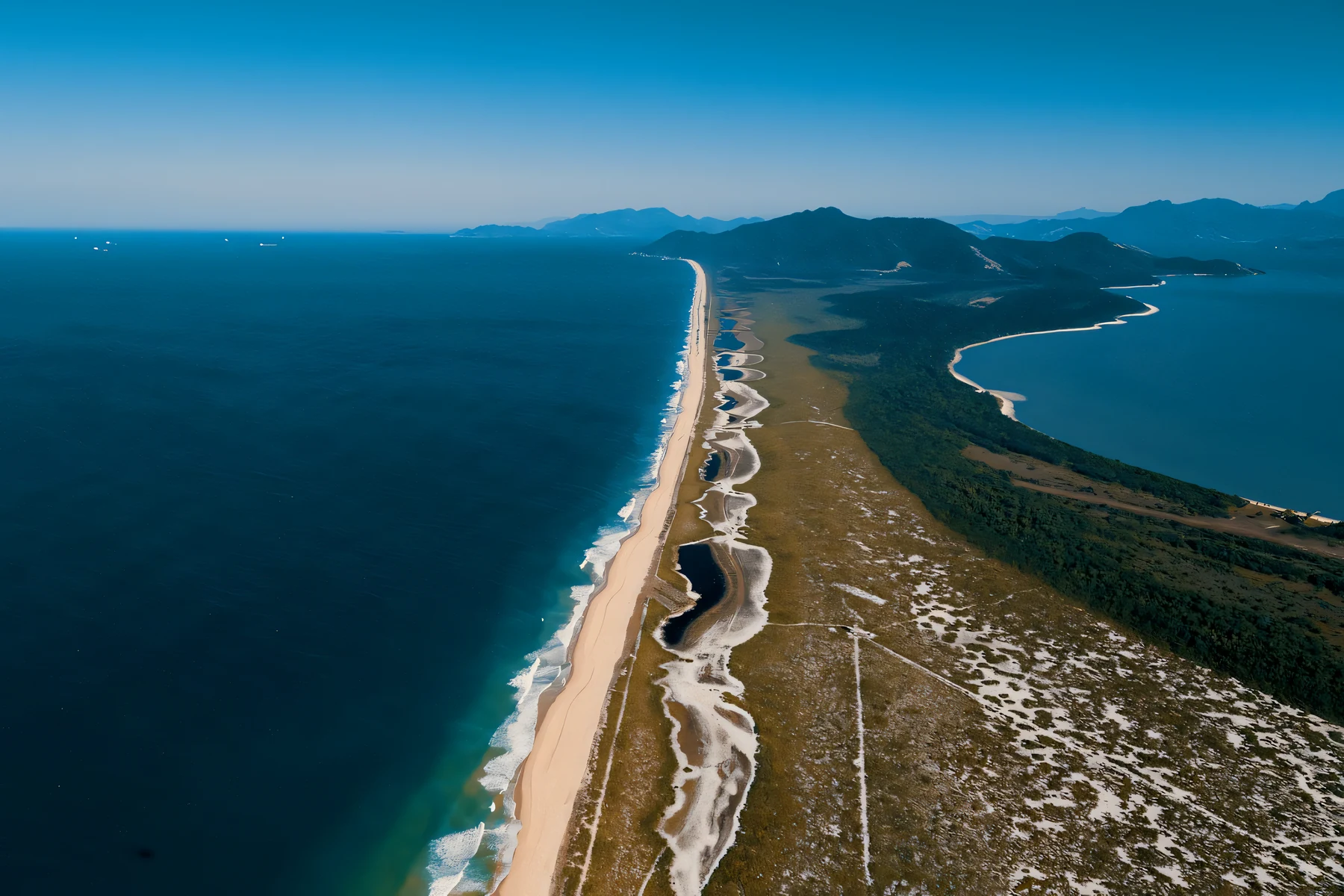
The Serra da Barriga rises in the interior of Alagoas, roughly 76 kilometres from Maceió. Its slopes once concealed the largest settlement of escaped enslaved people in the Americas. Quilombo dos Palmares housed an estimated 20,000 people at its height in the 1600s, a confederation of mocambos that fed itself through farming, commerce, and armed protection. Portuguese and Dutch forces spent decades trying to break it. They finally did in 1694. The leader they killed, Zumbi, fell on 20 November 1695, and that date now stops the country.
Fugitives from sugar plantations in Pernambuco and Bahia began reaching these mountains in the late 1500s. The dense forest and steep terrain gave them cover to build something plantations denied them: a self-governing network of villages. By the early 1600s, the settlement had hardened into a confederation that would last almost a century. No other quilombo in Latin America matched its population, according to the Fundação Cultural Palmares. Residents planted corn, beans, and cassava, hunted and fished, and traded surplus goods for tools and weapons with the very colonial world they had fled.
On 20 November 2026, Brazil will mark its third nationwide observance of the date as a mandatory holiday. Visitors in Alagoas that week should expect the roads toward União dos Palmares to fill early and the Serra da Barriga to receive its usual surge of attendees.
A City Inside the Mountain
Palmares was never a single village. It was a network of settlements spread across the Serra da Barriga. Each mocambo operated with its own local leadership while answering to a central authority. This structure allowed the confederation to absorb new arrivals constantly and to scatter when colonial troops approached. Portuguese chroniclers from the 1600s estimated the population at times to be near 20,000, a figure the Fundação Cultural Palmares still cites as evidence of its unmatched scale. The economy was not merely subsistence. Quilombolas cultivated crops, manufactured goods, and maintained trade relationships that supplied them with firearms and metal tools. By the height of the confederation in the mid-1600s, Palmares had become a state in all but name. It fielded organised defense forces, maintained diplomatic channels of a sort through its trade contacts, and governed internal disputes according to its own laws. The Portuguese crown saw it as an existential threat to the plantation economy that financed the colony. Dutch and Portuguese expeditions mounted repeated attacks throughout the century, but the geography of Alagoas turned every assault into a logistical nightmare. Soldiers from the coast struggled with disease, supply lines, and ambushes in terrain the defenders knew intimately.
Ganga Zumba’s Treaty and Zumbi’s Refusal
Ganga Zumba ruled Palmares during its period of greatest strength. Colonial records identify him as Zumbi’s uncle, though the exact family relationship remains part of the disputed history written by the conquerors. In 1678, he accepted a treaty with the governor of Pernambuco. The agreement offered freedom and land to those born inside the quilombo, but it demanded submission to the Portuguese crown and the return of anyone who had recently escaped. Zumbi rejected the deal outright. He saw it as a betrayal of the people still running from captivity. The split crystallised two visions of freedom. Ganga Zumba reportedly moved toward the lands the Portuguese had offered, while Zumbi and his faction remained in the mountain, determined to keep the door open for every enslaved person who could reach them. Zumbi took control and sharpened the resistance. Raids against plantations increased, and the confederation’s defenses tightened. The Portuguese colonial machine responded with a sustained assault that would not stop until the mountain was taken.
The 1695 Execution and the Sources That Lie
Colonial forces finally overran Palmares in 1694 after nearly a century of failed expeditions. Zumbi survived the initial assault but was captured the next year. Portuguese chroniclers recorded that he was betrayed, then executed and beheaded on 20 November 1695. His head was displayed in Recife to crush any hope of rebellion. Modern historians treat those reports with caution. Written almost entirely by the military and religious men who wanted to destroy Palmares, the sources frame the quilombo as a criminal hideout and Zumbi as a savage. Archaeological work and comparative studies of resistance movements now offer the only real counterbalance to that propaganda. The precise details of Zumbi’s final hours remain contested. The population figures, internal politics, and even the terms of Ganga Zumba’s treaty are still being re-evaluated by scholars who refuse to accept the colonial archive at face value.
From State Holidays to Lei 14.759
For centuries the date meant little beyond the Northeast. Black social movements began pushing for national recognition, which changed this. Municipal and state governments were the first to adopt 20 November as a holiday, building pressure through decades of public campaigns. Lei 12.519/2011 put the date on the federal calendar as an observance dedicated to Zumbi and Black Consciousness, though it still did not guarantee a day off for every worker. The decisive shift came on 21 December 2023, when Lei 14.759 turned the observance into a mandatory national holiday. Brazil observed it nationwide for the first time in 2024. The change means that on 20 November 2026, federal offices, schools, and banks will close across all 27 states. Private employers must also grant the day off, placing the holiday on the same structural level as Christmas or Independence Day in the national calendar. The commemoration celebrates Afro-Brazilian culture and forces a conversation about racial inequality that colonial textbooks once erased.
What to See at Parque Memorial Quilombo dos Palmares
The Parque Memorial Quilombo dos Palmares opened in 2007 on the same mountain where the mocambos stood. Iphan had already protected the site since 1985, and Mercosur recognised it as Cultural Heritage in 2017. The entrance lies in União dos Palmares, about 76 kilometres inland from Maceió. Inside, reconstructed buildings replicate the settlement’s core. The Casa de Força served as the royal residence and seat of military command. The Oca do Conselho was the sacred meeting house where elders gathered. The Praça de Armas filled the role of ceremonial ground. Together they give visitors a physical sense of the political sophistication that colonial reports downplayed. Trails and viewpoints cut through the vegetation that once hid the quilombo from colonial troops, and educational exhibits trace the timeline from the first arrivals in the late 1500s to the final siege.
Every 20 November, the park hosts a summit that routinely pulls in more than 10,000 people for ceremonies, debates, and cultural performances. The 2026 schedule and opening times will be released by the Fundação Cultural Palmares only weeks before the event. After exploring the mountain, travellers often stop in the nearby quilombola community of Muquém, where artisans produce ceramics that continue living Afro-Brazilian craft traditions rooted in the same history. The pieces are not souvenirs. The community uses local clay and techniques passed down through generations, producing utilitarian and ceremonial objects that supply households and religious ceremonies across the region.