Tech
Brazil Drone Rules For Tourists Fly Your Camera Legally
Brazil's new ANAC Resolution 805 (RBAC 100) changed drone rules. Learn the risk-based system and three operation tiers to fly legally and avoid fines.
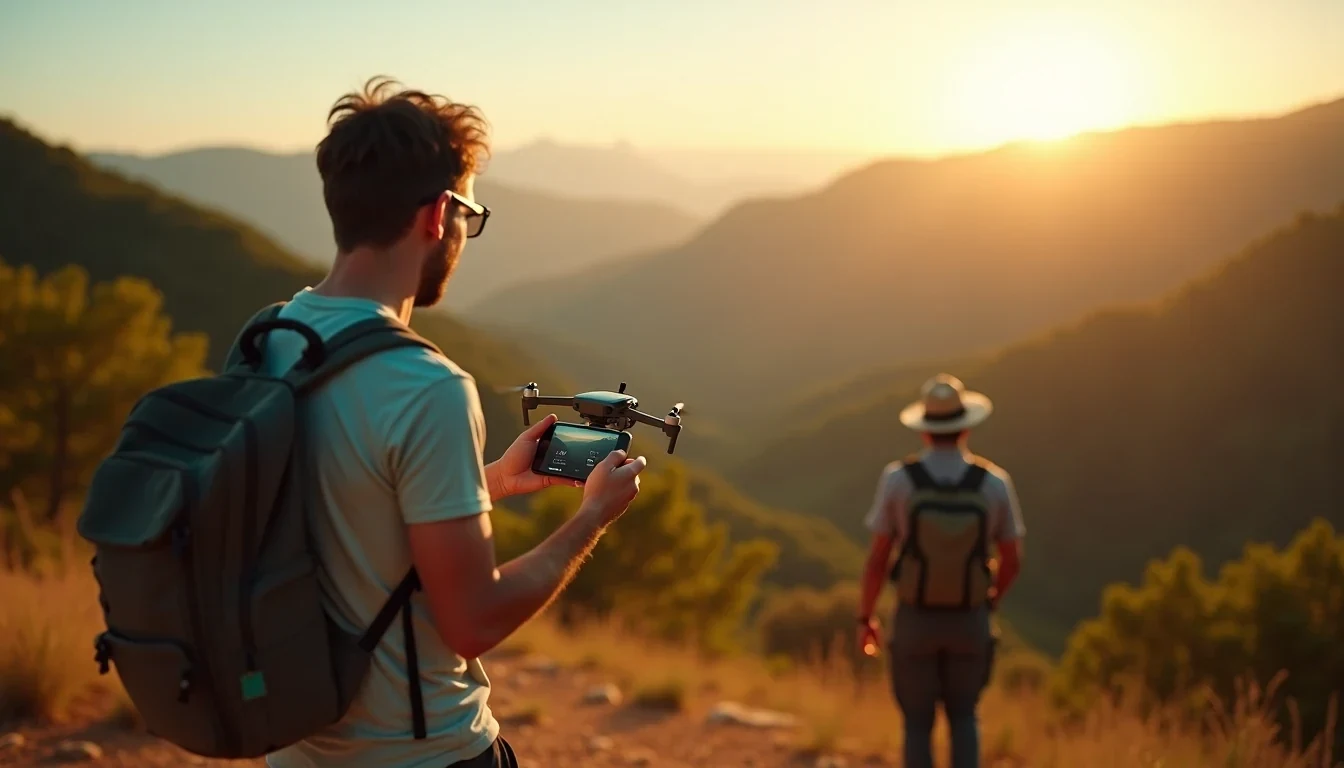
That first surge of lift when the rotors catch air above Ipanema or the Chapada Diamantina valleys feels like freedom itself. Then a military helicopter banks overhead, or a park ranger waves you down, and you remember: Brazilian airspace is not a blank canvas. Since June 12, 2026, ANAC Resolution 805 has redrawn the entire map with RBAC 100. It replaced the old weight-obsessed RBAC-E 94 rules with a risk-based system that treats your weekend footage run differently from a commercial survey mission. Tourists who assume their pocket drone slips through unnoticed risk confiscated gear and fines.
How RBAC 100 sorts your flight
The new framework splits every operation into three tiers: open, specific, and certified. Most visitors and hobbyists live in the “open” category, which covers drones up to 25 kg flown within visual line of sight, below 120 meters, and clear of crowds. Lower risk operations have a lighter touch. Heavier or more complex operations climb into specific or certified territory, where the paperwork multiplies.
The 250 gram line and what it actually buys you
Drones under 250 g catch a break, but a narrower one than many travelers assume. Fly recreationally, keep it in sight, stay under 120 meters, and you skip ANAC’s SISANT registration entirely. That is the only good news. Since July 1, 2026, DECEA’s SARPAS airspace authorization has applied even to these featherweight machines, according to specialist coverage of the regulatory rollout. The SARPAS Mobile app is your gateway here, and the request is mandatory before the first prop spins.
For anything at 250 g or above, SISANT registration is non-negotiable. Foreign visitors can complete this with valid documentation; a passport and patience will get you through. The system links your aircraft to your identity, creating the paper trail that makes further authorizations possible.
The exam you do not need yet
RBAC 100 introduces a theoretical knowledge requirement, but ANAC waived it through December 31, 2026. Fly now, study later. From January 1, 2027, that exam becomes mandatory for relevant operations. Visitors planning repeat trips should mark the date.
The permissions nobody mentions at the camera shop
Federal registration and airspace clearance are only the foundation. Three additional filters catch the unwary.
First, Anatel certification for radio equipment. Every transmitter, every controller, must carry approval from Brazil’s telecommunications regulator. Uncertified gear is illegal gear, regardless of what ANAC or DECEA have cleared.
Second, protected areas. ICMBio governs federal conservation units. State parks answer to their own environmental agencies. Neither cares about your SISANT number if you lack their specific authorization. The Lençóis Maranhenses, the Pantanal, the coastal reserves of Bahia: all require direct permission, and rules vary by unit.
Third, municipal bans. Beaches during peak season, public events, and specific urban zones have restrictions. These live at city hall level, not in federal databases, and enforcement is patchy but punitive when it happens.
A pre-flight checklist that actually works
Before that first lift-off, run this sequence. Confirm your drone’s weight against the 250 g threshold. Check SISANT status if required. Request SARPAS authorization through the mobile app, regardless of weight. Verify Anatel certification on your radio gear. For park or beach locations, contact ICMBio, the relevant state body, or the municipal authority directly. Cross-check current ANAC and DECEA guidance at publication time; secondary sources conflict on precise SARPAS scope for small drones and specific park procedures shift.
The butterflies of that aerial view over Brazil’s landscapes are worth the preparation. A conversation with federal police on a remote airstrip is not.