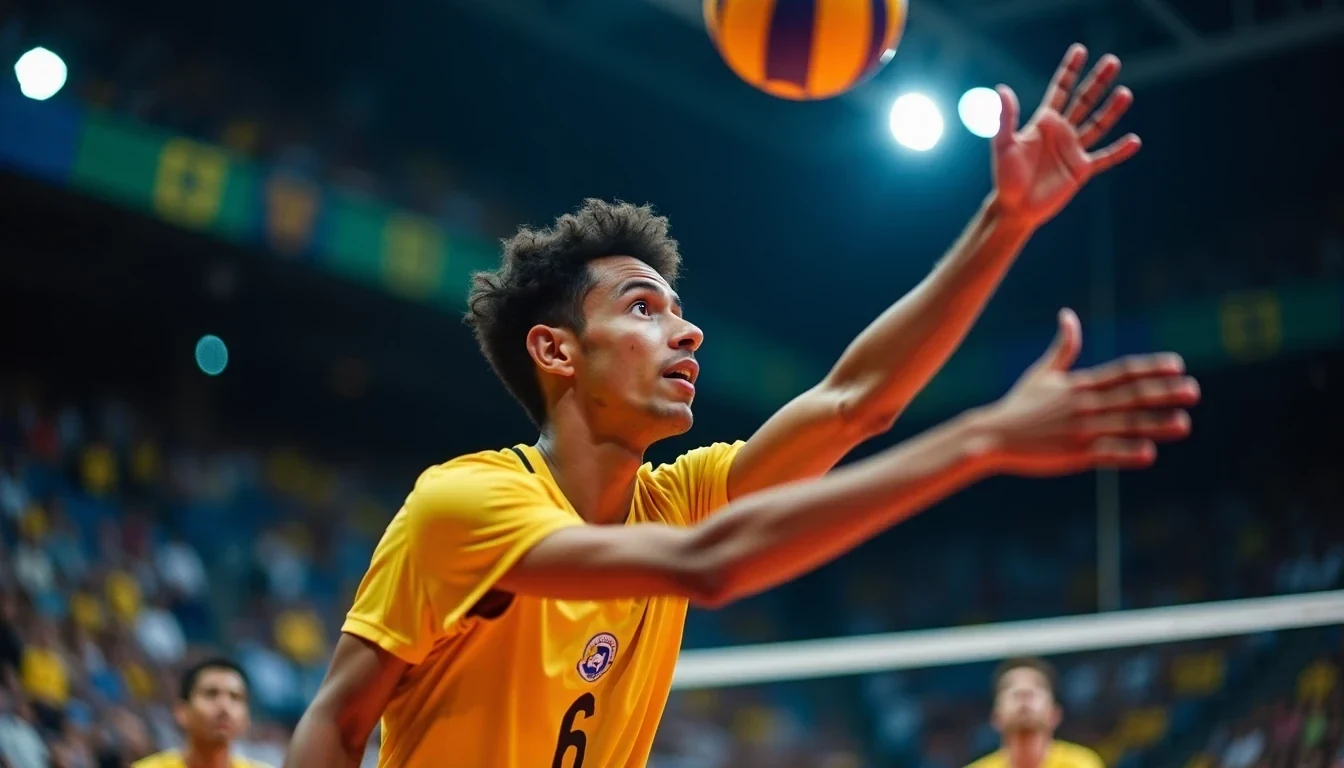
Volleyball
How to Find Beach Volleyball Lessons and Join a Game in Rio
Rio's beach volleyball schools provide a formal, structured approach to playing, with monthly plans, regular classes, drills, and supervised games for all.
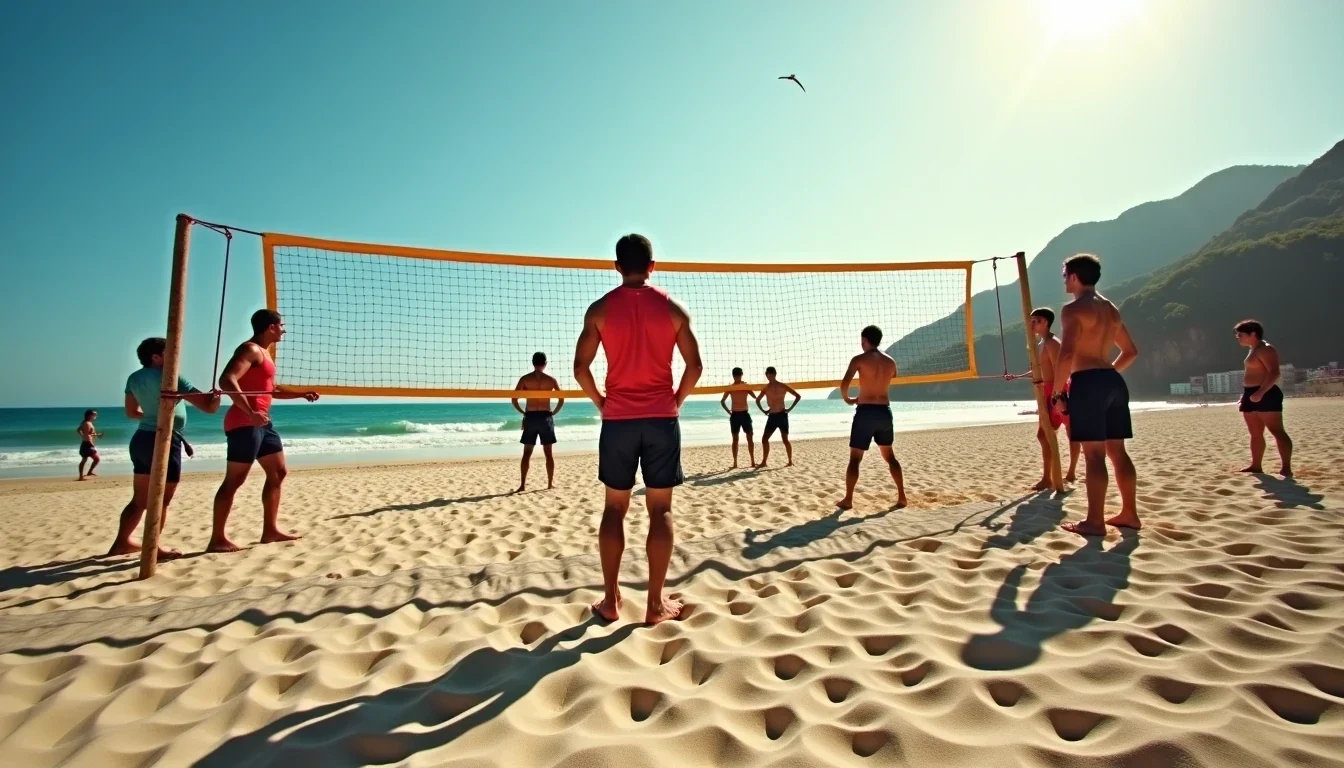
Rio’s beach volleyball schools line the sand from Leme to Leblon as regularly as the kiosks selling água de coco. They run on monthly plans, not drop-in fees, treating the coastline as a campus. Anyone searching for a way to play will find the system surprisingly formal once they know where to look.
How the Escolinhas Work
A class at one of Rio’s beach volleyball schools follows a fixed rhythm. Players arrive for morning or evening slots, hours chosen to keep them off the sand during the worst heat. The session opens with warm-ups, moves into serve and pass drills, adds conditioning work, and finishes with a supervised game. Men and women train together, and groups are sorted by level so beginners are not chasing balls past advanced players.
Payment runs on monthly plans. Schools do not advertise single-class rates because they are not built for tourists who want one afternoon of volleyball between museum visits. A visitor who wants to try before committing should message the school on WhatsApp and ask directly for a trial class price. The answer will vary by school and season.
Where to Find a School
The densest cluster sits on Copacabana, where the 2016 Olympics built a beach volleyball arena that left the sport permanently lodged in the neighborhood’s identity. CT Praia operates opposite the Blue Note, close enough to hear sound checks on still mornings. Elite runs its nets opposite the Hotel Windsor Califórnia. Arena Siqueira Campos, also in Copacabana, requires advance booking and does not accept walk-ins for its scheduled sessions.
In Ipanema, Vôlei de Praia Brasil sets up beside Posto 9, opposite Rua Joana Angélica. The location puts it in the middle of the beach’s busiest stretch; players finish class and step straight into the late-afternoon crowd. Schools exist in Leme and Leblon too, though the named examples thin out toward those ends. The pattern is consistent: fixed nets, landmark addresses, and a routine that starts again every morning and evening.
Booking Classes
WhatsApp remains the entry point for most new players. Schools answer questions about schedules, levels, and trial pricing there, often within hours. For anyone staying in Rio longer than a week, or for locals who want regular access across multiple gyms and studios, Wellhub offers a bundled route.
As of 2026, Wellhub’s Silver plan starts at R$149.99 per month and includes access to beach volleyball partners along the coast. The platform lists CT Praia, Elite, Arena Siqueira Campos, and Vôlei de Praia Brasil among its Rio options. Booking through the app removes the Portuguese-language barrier for some visitors, though direct WhatsApp contact with the school still works for anyone outside the Wellhub system.
Pick-Up Games and Bringing Your Own Net
Not everyone wants a monthly plan. Informal games have long formed around Posto 1 in Leme during evening hours, mixing locals with visitors and varying widely in level. These groups are not permanent. The specific crowd playing on any given Tuesday in March may not exist by June. Anyone looking for a game should search current community groups on social media rather than relying on a fixed schedule or a named organization.
Players who bring their own net face a separate challenge. The poles along Rio’s beaches are rented long-term, and the renters are overwhelmingly the beach volleyball schools. A group with portable equipment should aim for off-peak windows: later weekday evenings, or cloudy weekends when schools cancel or run reduced sessions. The rule is simple and non-negotiable. If the long-term renter arrives for their slot, the informal group moves. No argument, no negotiation. The schools paid for the priority.
What to Bring and When to Play
The midday sand in Rio can reach temperatures that burn skin through beach socks. The safe hours are early morning, before 9 or 10, and late afternoon, after 4 or 5. Between 11 and 3, the sun is direct and the sand is a liability, not a surface.
The kit list is short and unforgiving if ignored. Bring water in quantity. Use sunscreen with high SPF, reapplied. A hat or cap. Sunglasses. Light athletic wear or swimwear. Beach socks are optional but useful for anyone sensitive to hot sand or playing at the edge of the safe hours. Cloudy days extend the playable window, though UV exposure remains a factor even when the sun is not visible.
The Court Etiquette That Keeps the System Running
Rio’s beach volleyball culture depends on a clear hierarchy of access. The schools own the prime hours through their long-term pole rentals. Walk-up players and informal groups fill the gaps. Respecting that order keeps the courts available to everyone. A visitor who arrives with a net, plays until 6 pm, and packs up without fuss when the evening class claims its space will be welcome back. One who argues or delays will not.
The same practicality runs through every layer of the system. Monthly plans, WhatsApp inquiries, Wellhub bundles, off-peak net set-ups: none of it is designed for spontaneity, but all of it is designed to work. Rio offers some of the most photographed beach volleyball courts in the world, and the mechanism for actually using them is straightforward once a player accepts that the sand operates on a schedule.