Basketball
Franca Brazil's Basketball Capital Your Travel Guide
Franca, a mid-sized city in São Paulo, is Brazil's undisputed basketball capital, boasting multiple national championships and NBA alumni from its historic.
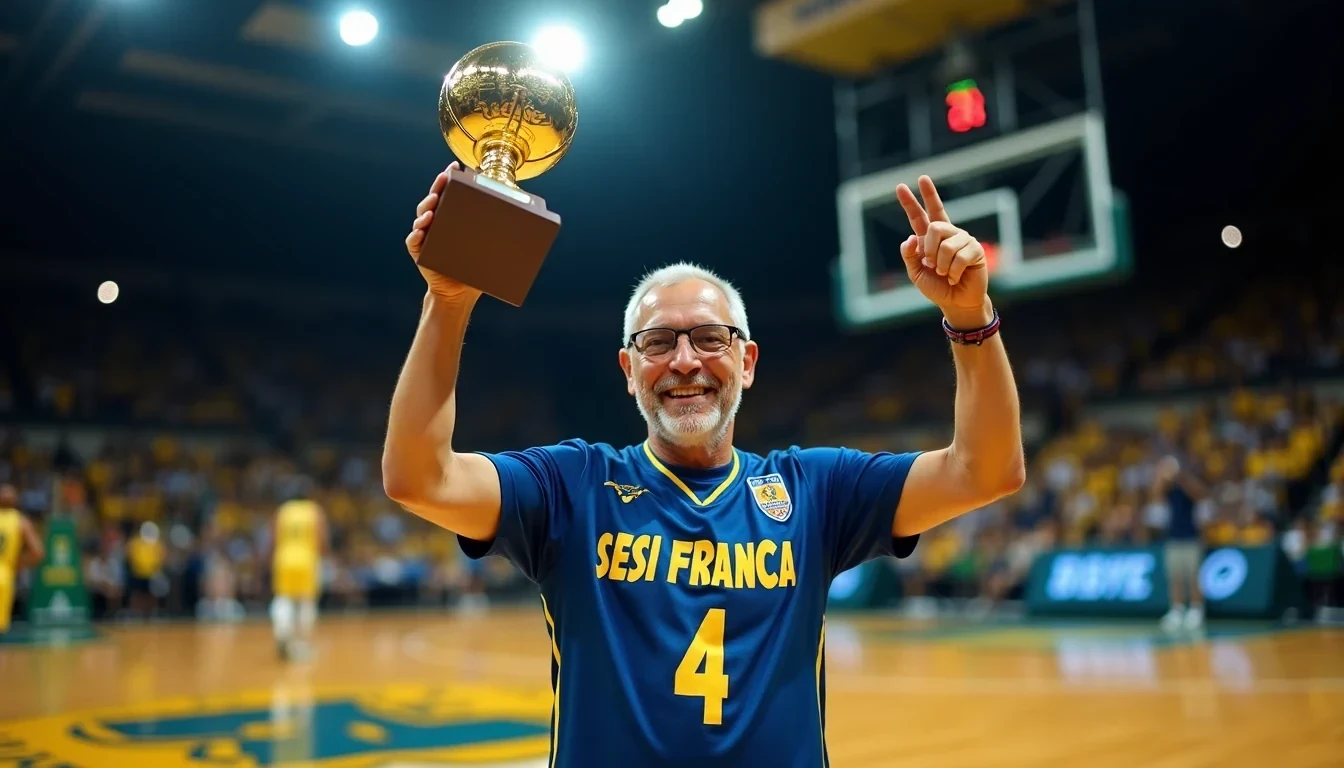
Helinho Garcia lifted the fifth straight NBB trophy in June 2026. The series ended at home, 3-1 against Pinheiros, in a gymnasium that opened when Gerald Ford sat in the White House. This combination of decades and momentum is normal in Franca.
The building is the Ginásio Poliesportivo Pedro Morilla Fuentes, opened in 1975 and known across Brazil as the Pedrocão. Franca sits roughly 400 kilometres north of São Paulo, deep among the shoe factories and leather workshops of the northern interior. About four hundred thousand people live there, making it a mid-sized city by São Paulo state standards. No other Brazilian municipality of comparable size owns this density of national championships, NBA alumni, and senior national team fixtures in a single venue.
Why Franca owns Brazilian basketball
Franca Basquetebol Clube traces its origin to 10 May 1959. It took its present name in 1992, though day-to-day branding now reads as Sesi Franca under sponsorship agreements. Long before the NBB reorganised the top flight, the club had already collected eleven national titles. This haul was built during an era when road trips meant overnight bus rides through Minas Gerais and practice uniforms were sewn in local textile shops. Those early trophies established the winning standard before colour television arrived in most Brazilian homes.
The modern dynasty began in 2021/22. Franca ran the table for five consecutive NBB seasons, closing the series 3-1 against Pinheiros in June 2026 to finish the run in 2025/26. No other coach in NBB history owns more trophies than Helinho Garcia, who presided over every one of those five campaigns. During that half-decade, Franca rarely lost at the Pedrocão in postseason play, turning the building into a fortress that visiting stars openly complained about in post-game interviews.
Domination did not stop at the border. Franca took home the FIBA Intercontinental Cup in 2023, defeating club champions from other continents. The same core captured the Basketball Champions League Americas in 2022/23. Earlier generations brought home six South American championships and four Pan American trophies in 1993, 1994, 1997, and 1999. No Brazilian men’s club has reached that breadth of international finals across three separate decades.
The coaches who built the machine
Every system in Franca begins with Pedro Morilla Fuentes. A physical-education teacher by training, Pedroca arrived in 1959 and coached the club until 1981. He demanded defensive accountability and convinced a factory town to treat weeknight games as civic duty. Children who never owned a basketball learned his full-court press drills in schoolyards. When he died, the city renamed the arena for him. The Pedrocão is literally his house.
Hélio Rubens Garcia inherited that foundation in 1981 and stayed for nineteen years. He returned for a second spell from 2005 to 2012, bridging two centuries of Franca basketball. Pedroca built the walls, and Rubens refined the architecture, installing offensive sets that held up against the best South American clubs of the 1990s. His teams won with spacing and patience, a stylistic counter to the athletic chaos common elsewhere. Their combined tenure created a continuity unknown elsewhere in Brazilian sport.
Inside the Pedrocão
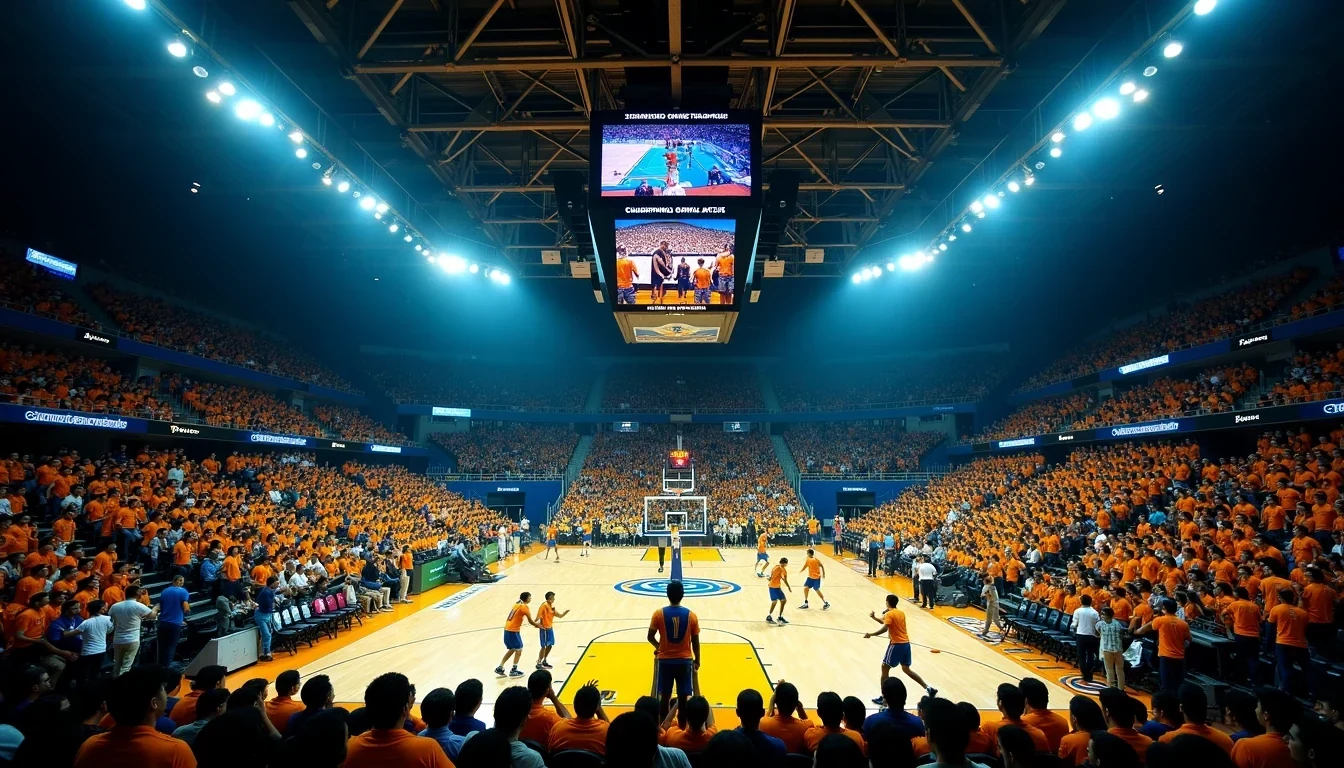
The Ginásio Poliesportivo Pedro Morilla Fuentes opened in 1975. The Liga Nacional de Basquete records capacity at 4,000 for the 2026 season, though older media guides sometimes cite figures as high as 7,500. Whatever the exact count, the stands sit close enough to the hardwood that fans can hear timeouts being drawn. There are no luxury suites blocking the view. The Brazil national team schedules select home fixtures here, trusting the crowd to create a genuine home advantage.
From Franca to the NBA
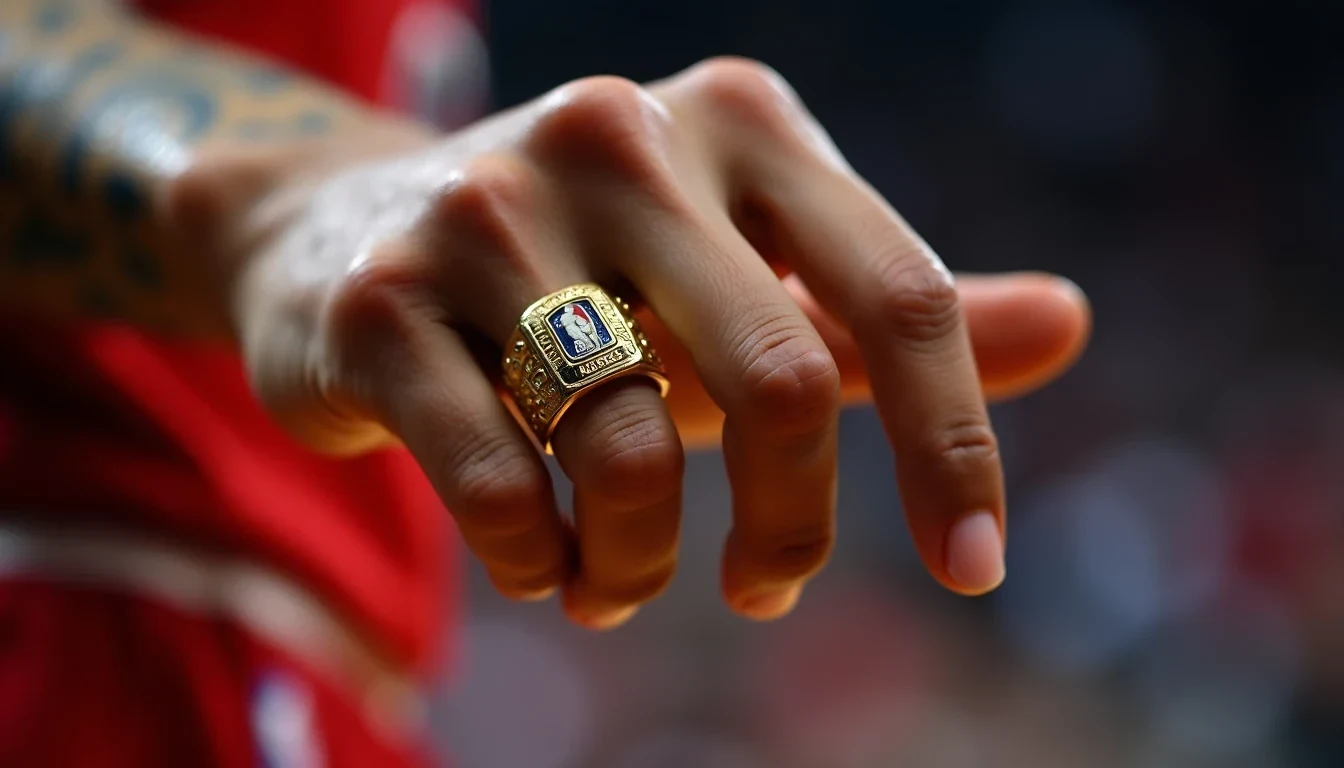
Anderson Varejão grew up in the Franca system. He left for the Cleveland Cavaliers and became a fixture in NBA frontcourts for over a decade, later returning to wear the same club jersey. Leandro Barbosa, called Leandrinho from his first dribble in the Pedrocão, took his speed to the Golden State Warriors and earned an NBA championship ring. Both wore Brazilian national colours for years, starting in junior tournaments and continuing through Olympic qualifying. Neither learned the game in Rio or São Paulo. They learned it here.
Getting there
Franca lies roughly 400 kilometres from São Paulo by road. A private car covers the distance in about four hours, mainly via the Rodovia dos Bandeirantes and connecting state routes. Tolls appear twice along the main highway. Drivers should note that the final stretches pass through smaller interior municipalities where radar enforcement is frequent and fuel stops are spaced well apart. The Cometa bus leaves Terminal Tietê and arrives in Franca after roughly six hours and twenty minutes. This is a slower but direct option that drops passengers near the commercial centre.
The nearest airport with regular commercial flights sits in Ribeirão Preto, 86 kilometres south of Franca. From the terminal, travellers can hire a taxi or summon a ride-share app for the seventy-minute drive. There is no direct shuttle bus to the arena, so factor the final transfer into your itinerary. During the NBB postseason in May and June, road space around the Pedrocão compresses quickly, and local police routinely close adjacent streets two hours before tip-off.
Planning your game night
The NBB season runs from October through June. Regular-season tip-offs usually fall on Thursday, Saturday, or Sunday evenings, though the league shifts dates for television. Tickets sell through the club’s official website and at the Pedrocão box office on game days. Franca sells out deep sections for playoff rounds and rivalry visits, so buying online a week ahead is the safer move. There is no dedicated mobile app; the purchase flow runs through standard web checkout. Seat selection is straightforward: lower sideline sections put you within earshot of the bench, while baseline seats catch the drummers at full volume.
Arrive sixty to ninety minutes before the scheduled start. The entrance queue moves slowly on high-traffic nights, and local supporters treat the lobby as a meeting point rather than a hallway. Inside, the lower bleachers fill first. The upper rows still offer clean sightlines because the building was designed for basketball first, not as a converted concert hall. Expect loud drums, organised chants, and no neutral corners. By tip-off, the temperature inside the gym usually exceeds the outside reading by several degrees Celsius. Bring water. The concession stands sell chilled mate and popcorn, but lines peak at halftime.