Volleyball
Maracanãzinho The Rio Arena Where Volleyball Gold Was Won
Discover Maracanãzinho, the Rio arena that hosted Brazil's 2016 Olympic volleyball gold and has been central to the sport's national history since 1954.

On 21 August 2016, Brazil’s men’s volleyball team beat Italy 3-0 to win Olympic gold inside a building most football fans pass without a second glance. The gold medal match at Ginásio Gilberto Cardoso lasted three tight sets. Scores of 25-22, 28-26, and 26-24 closed the Rio Olympics volleyball tournament and wrote the arena’s name permanently into Brazilian sport history. The 11,800 seats inside the smaller venue generated enough noise that players still mention it in interviews eight years later.
That victory was no accident of scheduling. Rio’s north zone indoor arena has hosted every significant chapter of Brazilian volleyball since the sport first found a mass audience here. Locals call it Maracanãzinho. It has stood since 24 September 1954, three months before the football cathedral beside it hosted its first World Cup final. The official name remembers Gilberto Cardoso, who once led Flamengo. The building sits in the Maracanã neighborhood, inside the same complex as the stadium, a short walk from the Maracanã metro station on Line 2.
What It Is and Where to Find It
Ginásio Gilberto Cardoso carries the name of a former Flamengo president. Locals have called it Maracanãzinho since the day it opened. The building occupies the Maracanã complex in Rio’s Zona Norte, pressed against the side of the football stadium that shares its nickname. The Maracanã metro station on Line 2 sits beside the complex. On foot, the walk from the station turnstiles to the indoor arena takes less than ten minutes along signed pedestrian paths.
Volleyball Nights from 1960 to 2016
Brazil’s volleyball story here began in 1960, when the arena held the final of the men’s World Championship. At the time, indoor volleyball was still finding its audience in Rio, and the tournament offered many locals their first live look at the international game. Three decades later, in 1990, the same championship final returned to the building. By then, Brazilian sides were genuine medal threats, and spectators understood the sport well enough to groan at a shanked pass.
Rio’s 2007 Pan American Games turned the gymnasium into the main volleyball venue. The host nation won men’s and women’s gold in front of partisan crowds, a dress rehearsal for the Olympic fortnight still nine years away. In 2015, the World League final came to the city and landed here, confirming Rio still mattered to international volleyball schedulers. The national federation also lists the arena as a home for Brazil’s women’s team, so the country’s most decorated female players have trained and contested official matches on the same floor that later carried the men to Olympic gold.
The Night That Defined the Building
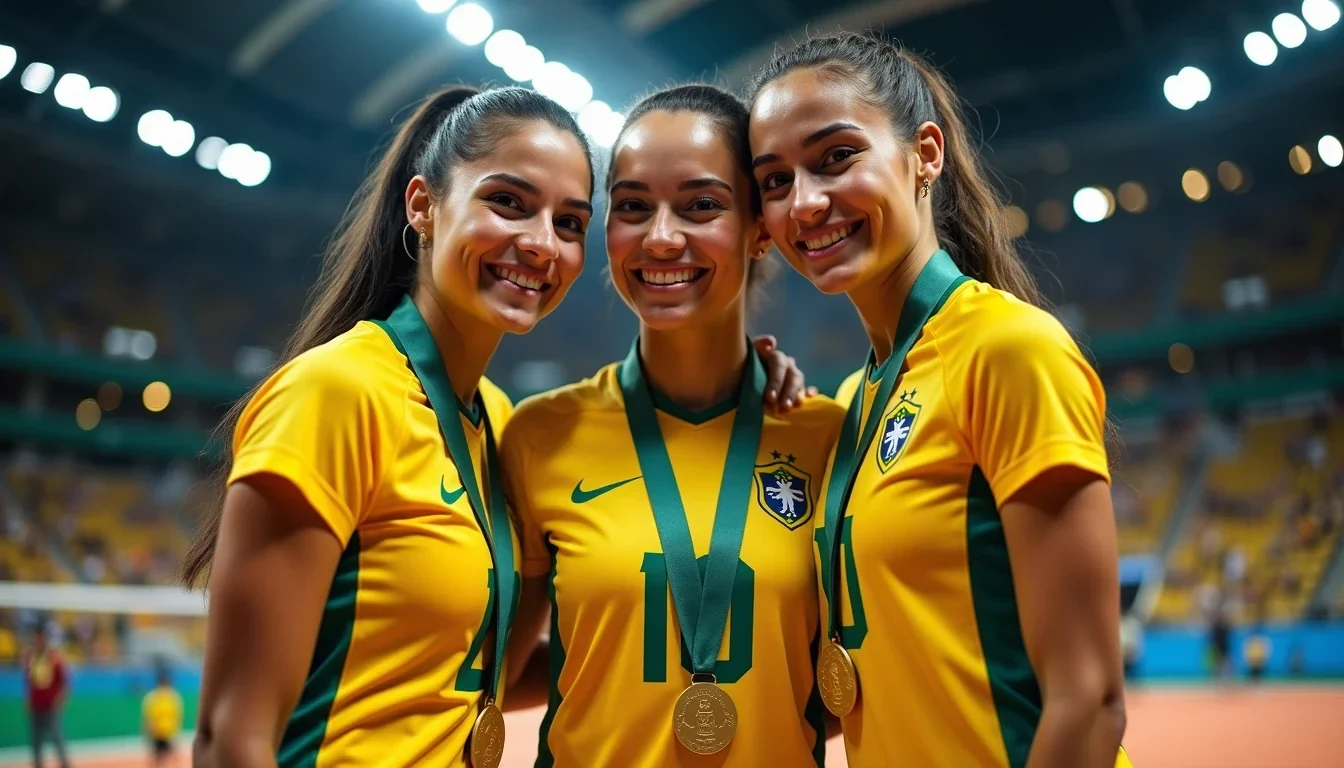
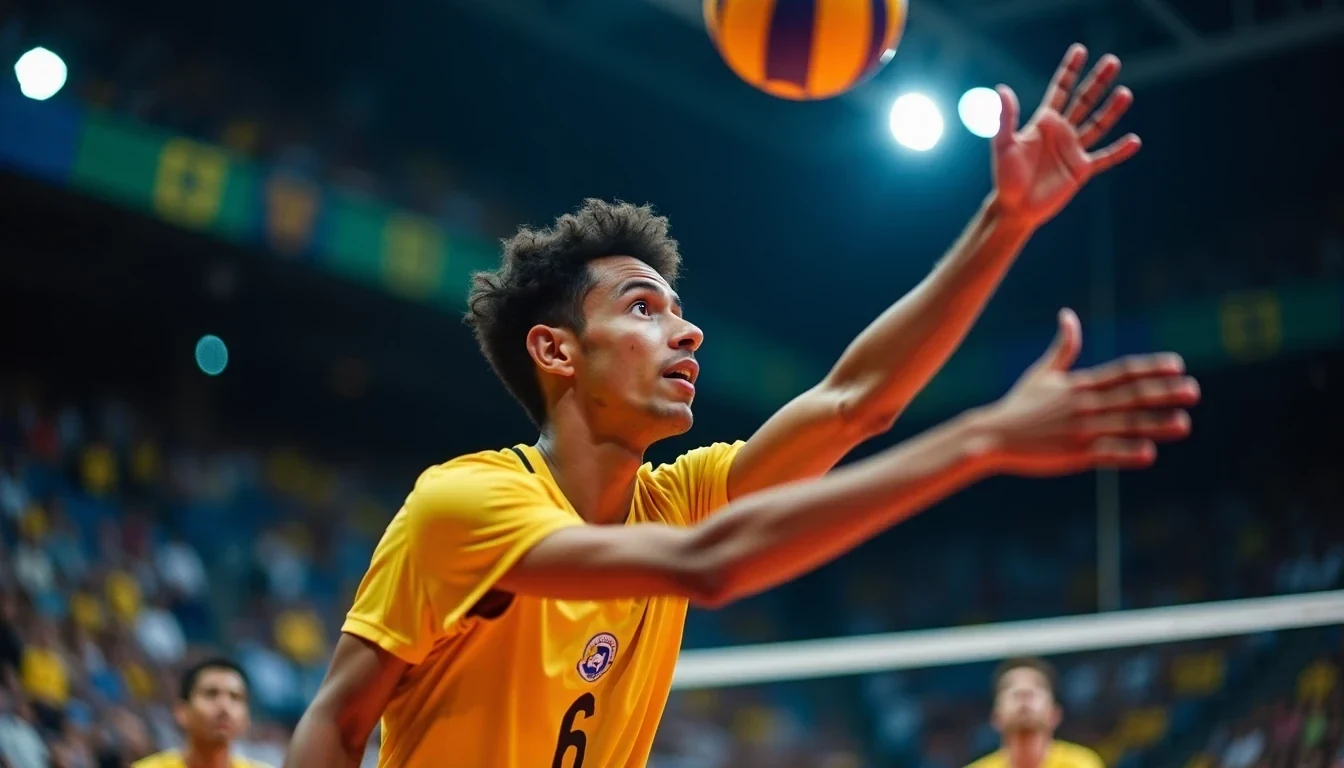
The 2016 Olympics turned the gymnasium into a pressure cooker. The men’s side entered the final match without a loss and met Italy on the closing Sunday of the Games. Wallace de Souza led the attack, hitting with enough force that the Gazeta Esportiva match report called his performance a show. The Italians pushed every set. The second reached 28-26, and the third ended 26-24, but Brazil never trailed in the match and closed it out in straight sets. The medal ceremony happened on the same court, with the team wearing gold in front of a crowd that had spent two weeks treating the venue like a second home.
The victory brought Brazil a third Olympic gold in men’s volleyball. Winning it in Rio, inside a building that had already hosted two World Championship finals and a Pan American Games tournament, sealed the arena’s reputation as the sport’s Brazilian headquarters.
Basketball, Rock Bands and Judo Throws
Volleyball never owned the building exclusively. The arena opened in 1954 by hosting the FIBA Basketball World Championship, drawing around 25,000 spectators in a configuration that would be illegal under modern safety rules. The record attendance here hit 35,000, a figure that still stands as the ceiling for any indoor event in the venue’s history. Basketball returned in 1963 for another FIBA World Championship.
Miss Brasil pageants occupied the court during the 1950s and 1960s. Rita Lee played concerts here, as did Metallica and Iron Maiden, whose sound checks reportedly rattled the neighboring stadium’s gates. In 2008, the Futsal World Cup final came to the arena. Brazil beat Spain after extra time to lift the trophy. The World Judo Championships arrived in 2013. UFC 179 came in October 2014, with Jose Aldo defending his featherweight belt against Chad Mendes in a main event that lasted five rounds.
Renovations and the Modern Capacity
The building that once packed in 35,000 people now holds about 11,800 for court sports. The drop reflects fire codes, wider seats, and the installation of proper hospitality areas. Workers shut the building from October 2003 through 30 June 2004. The bill came to R$97 million, money that replaced infrastructure rotted by nearly fifty years of humid Rio summers. Labor crews remodeled the space again ahead of the 2007 Pan American Games, adding broadcast facilities and athlete amenities that met international federation standards.
Today’s capacity figure applies to volleyball and basketball layouts. Concert configurations vary depending on stage placement and floor seating, though the venue rarely attempts the standing-room densities of its early decades.
How to Arrive and What to Expect
The easiest route is the metro. Take Line 2 to Maracanã station. The stop sits beside the complex, and the walk from there to the indoor arena takes less than ten minutes along clearly marked paths. On event days, especially when the football stadium also has programming, the area around the station becomes crowded by early evening.
Arrive at least ninety minutes before the first serve or opening act. Security checks at major events move slowly, and the gate listed on your ticket may not be the one closest to the metro exit. The venue has no attached parking that operates reliably during sold-out shows, so driving adds unnecessary stress. Ride-sharing apps work in the area, but drivers often queue on Avenida Maracanã after events end, meaning a wait of twenty minutes or more unless you walk a few blocks east toward Rua São Francisco Xavier.
Always check the specific event’s ticket page before leaving home. Organizers for volleyball World League matches, UFC cards, and concerts use different gate systems, and some require digital tickets to be activated before arrival. The official page will also list any transport changes, such as extended metro hours or station closures, that affect the night.